Shenzhou
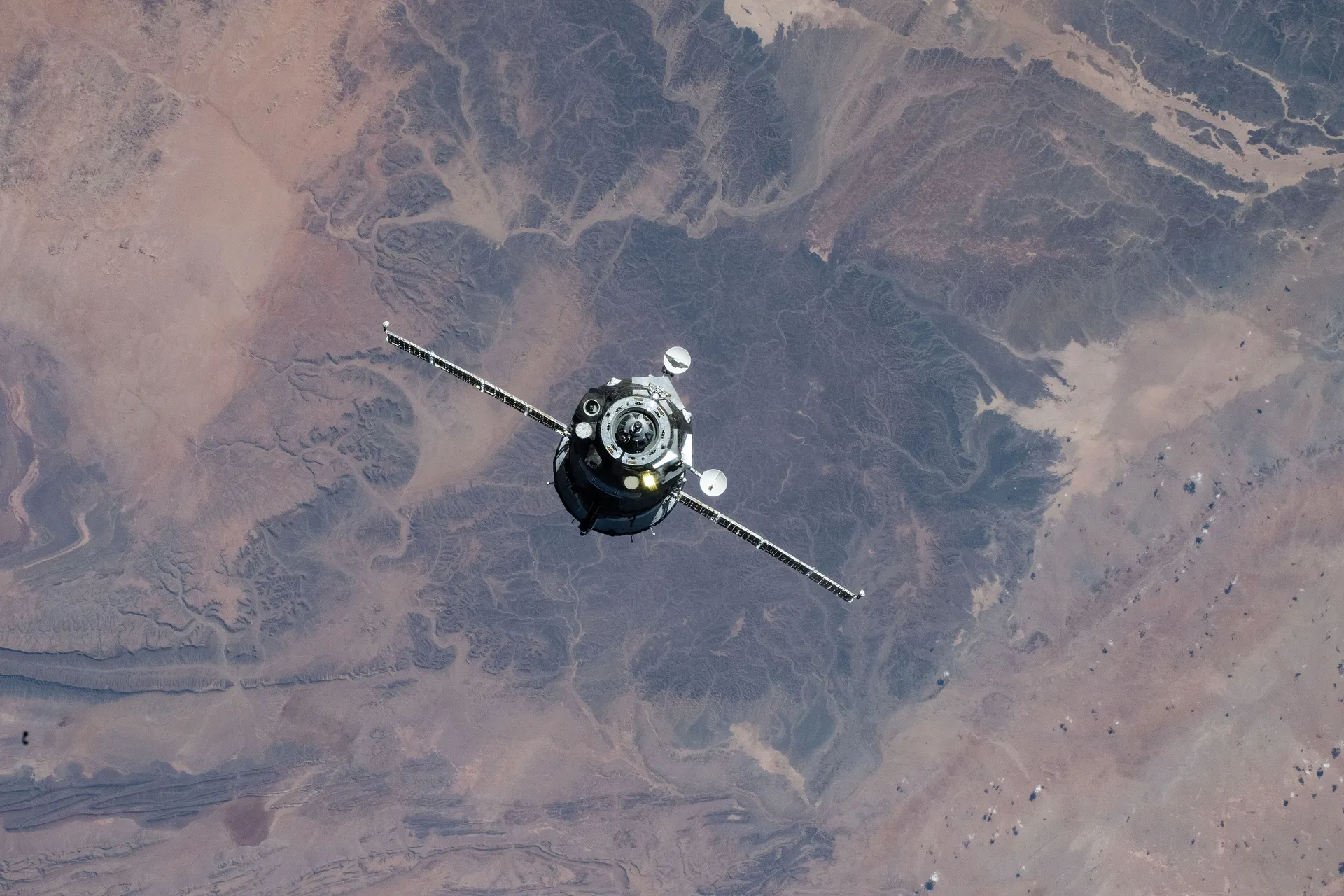
China’s crew ship, three modules in the Soyuz layout, which has carried Chinese astronauts since 2003 and now flies them to the Tiangong station.
- 2003
- first crewed flight: Yang Liwei on Shenzhou 5, October 15
- 3
- crew at most, first on Shenzhou 7 in 2008
- 2021
- first crew to the Tiangong station, Shenzhou 12, in June
Shenzhou is the spacecraft of China’s crewed program, Project 921, approved in 1992. It is patterned after Russia’s Soyuz, with an orbital module in front, a re-entry module for up to three crew members and a propulsion module behind, though China says it was made entirely in China. It is larger than Soyuz, about 9 meters long and 7,800 kilograms, and on its first seven flights the orbital module carried solar wings of its own and flew on as a satellite after the crew had landed.
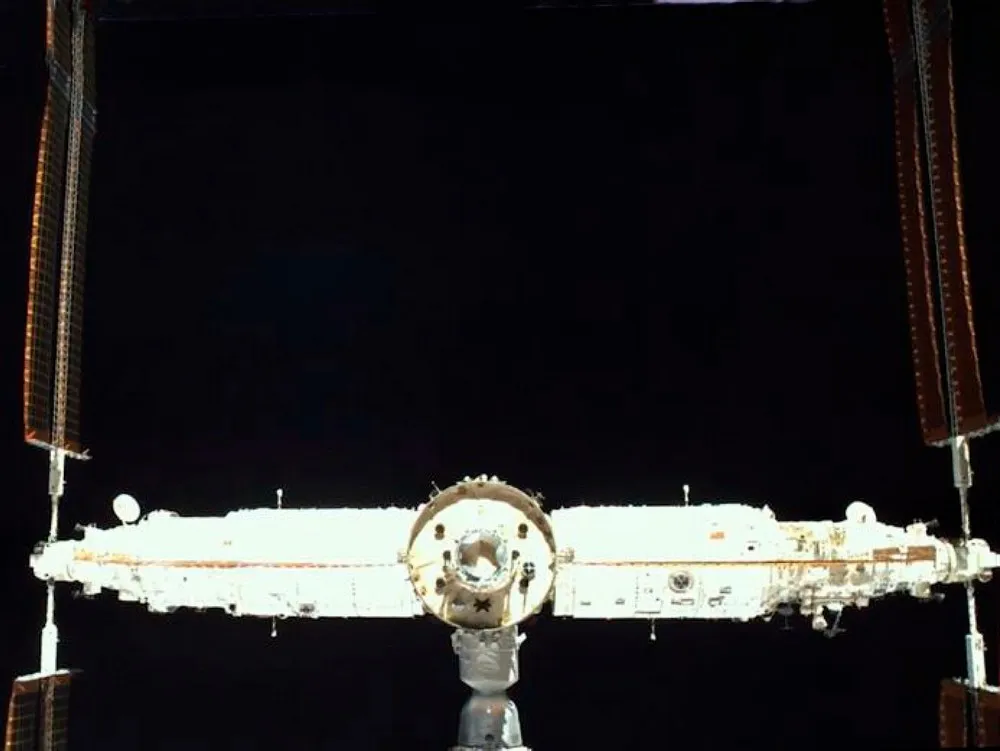
The first Shenzhou flew without a crew in November 1999. On October 15, 2003, Shenzhou 5 carried Yang Liwei for about 21 hours, and China became the third country to launch a person on its own rocket. Zhai Zhigang made China’s first spacewalk from Shenzhou 7 in 2008, and since June 2021 the ships have carried crews to the Tiangong station. In November 2025 debris apparently cracked a window of Shenzhou 20 while it was docked there, and China launched Shenzhou 22 without a crew to give the astronauts on the station a ship home.