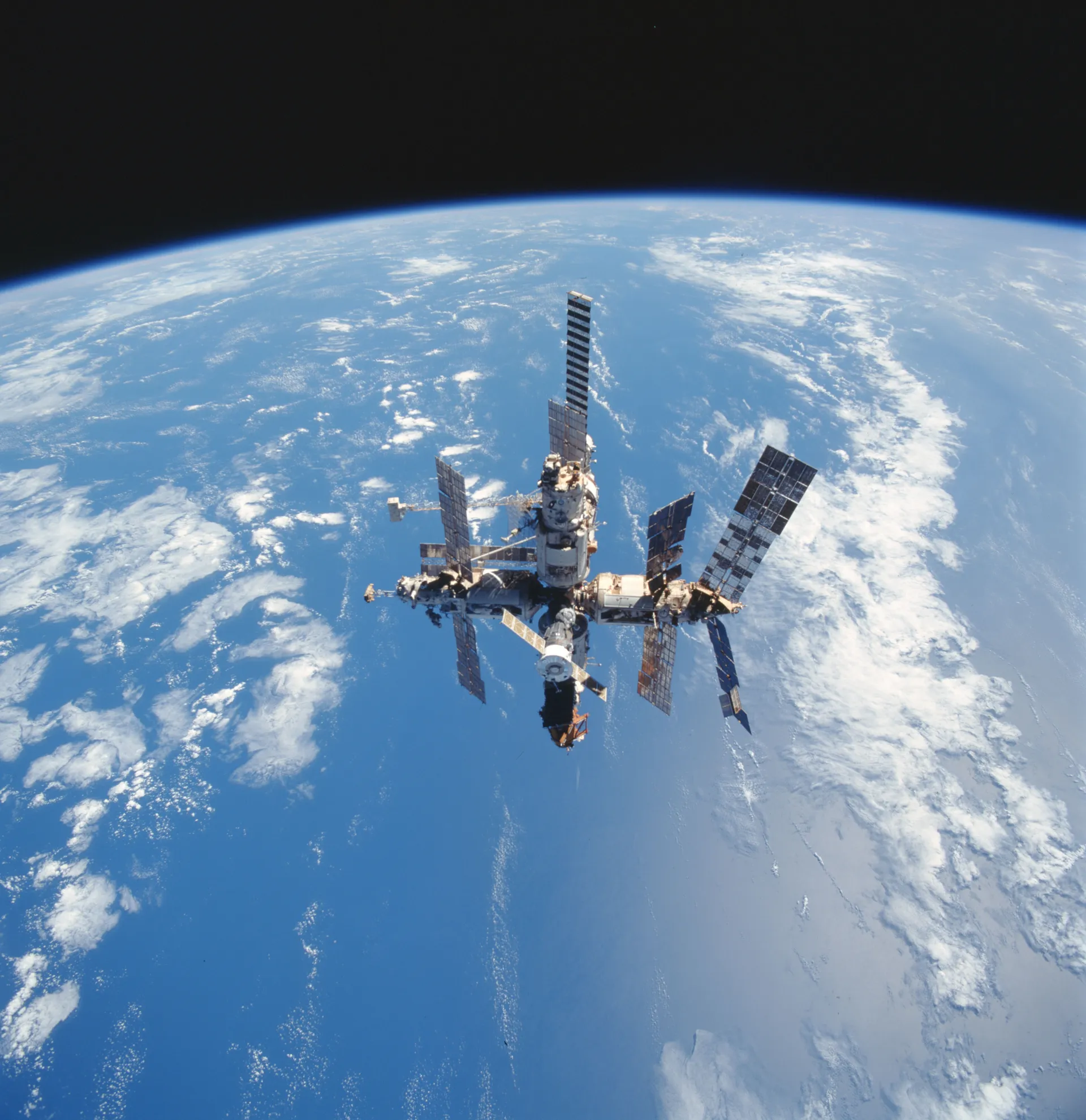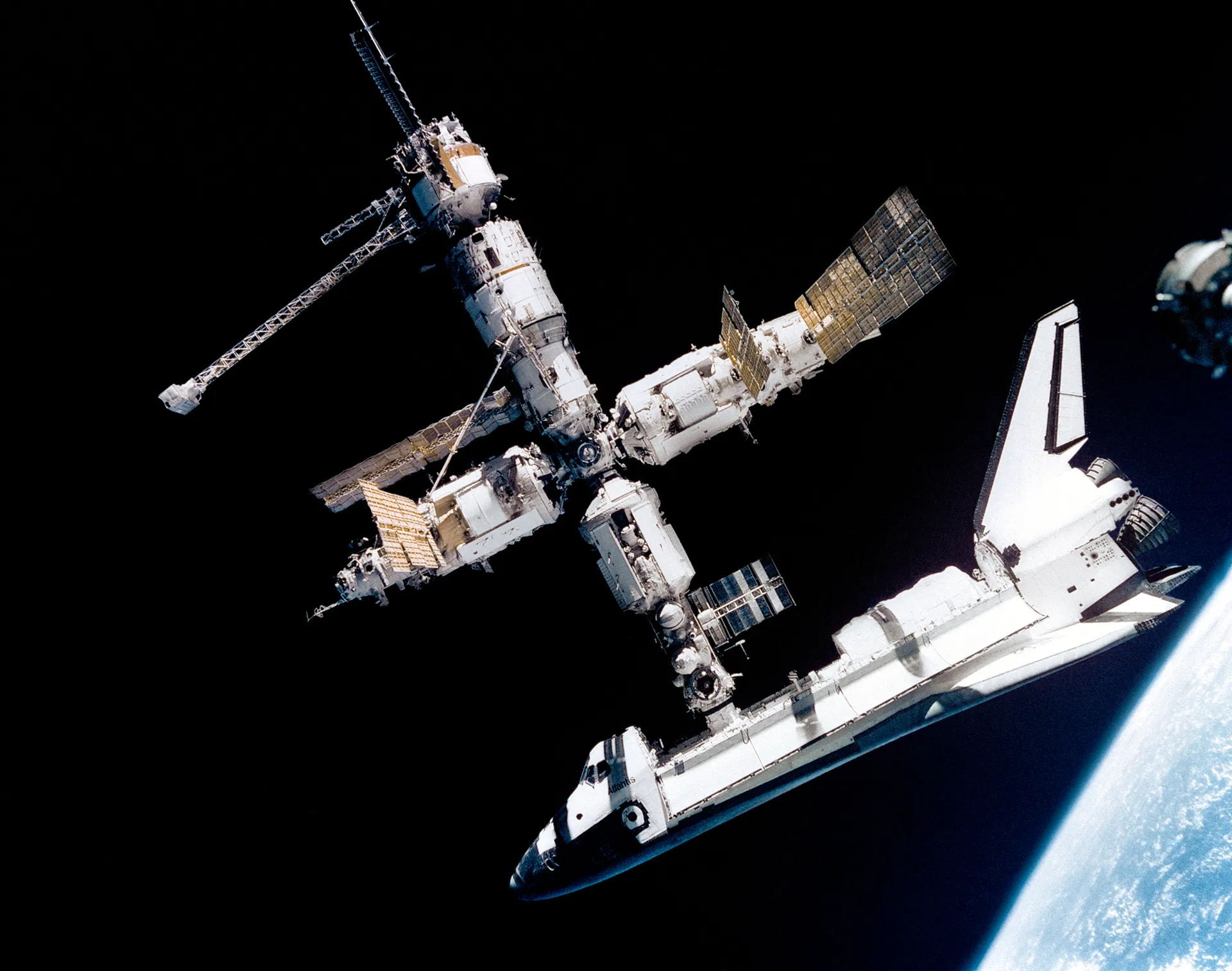
The Space Shuttle Atlantis docked to the Russian space station Mir in 1995, photographed from a departing Soyuz.

Stations, shuttles and new space powers

What came after the Moon race, and who else learned to fly in space?

NASA, photographed by the Mir-19 crew, July 4, 1995

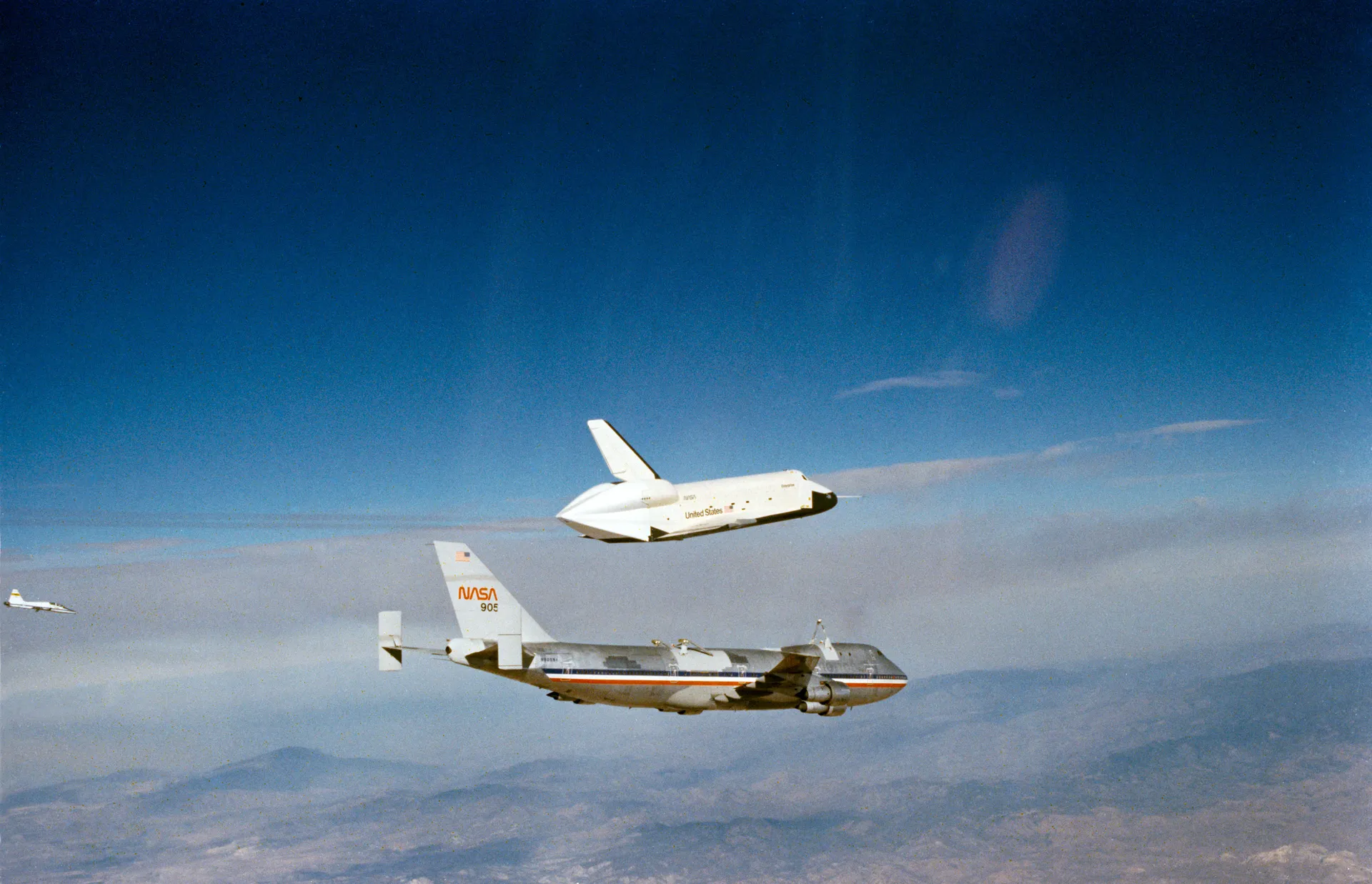
After 1975 the two original space powers took different paths. The Soviet Union built a series of space stations and learned to keep people in orbit for months, then a year; the United States built a reusable Space Shuttle. In the 1990s the two programs joined, first at Mir and then in the International Space Station.

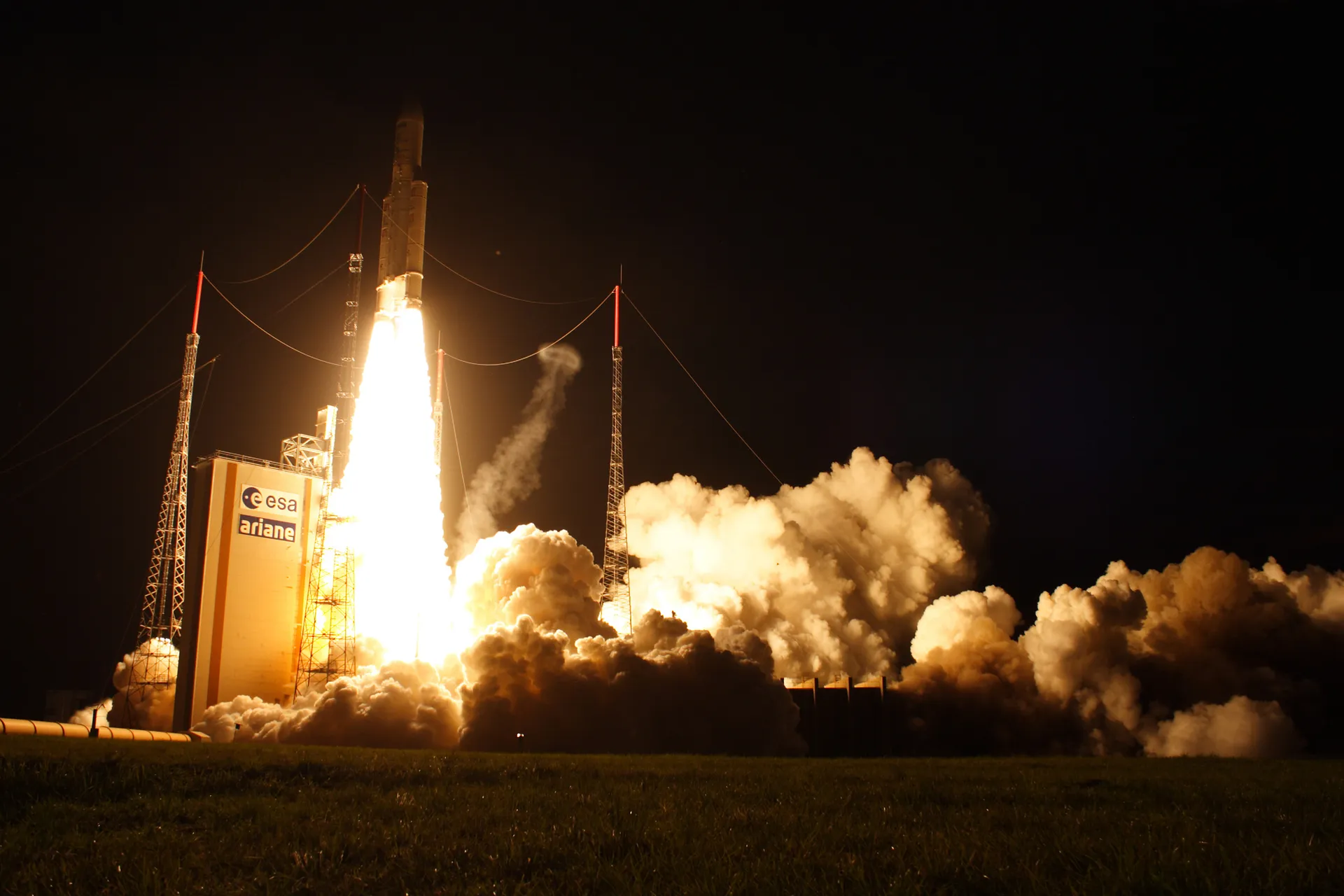
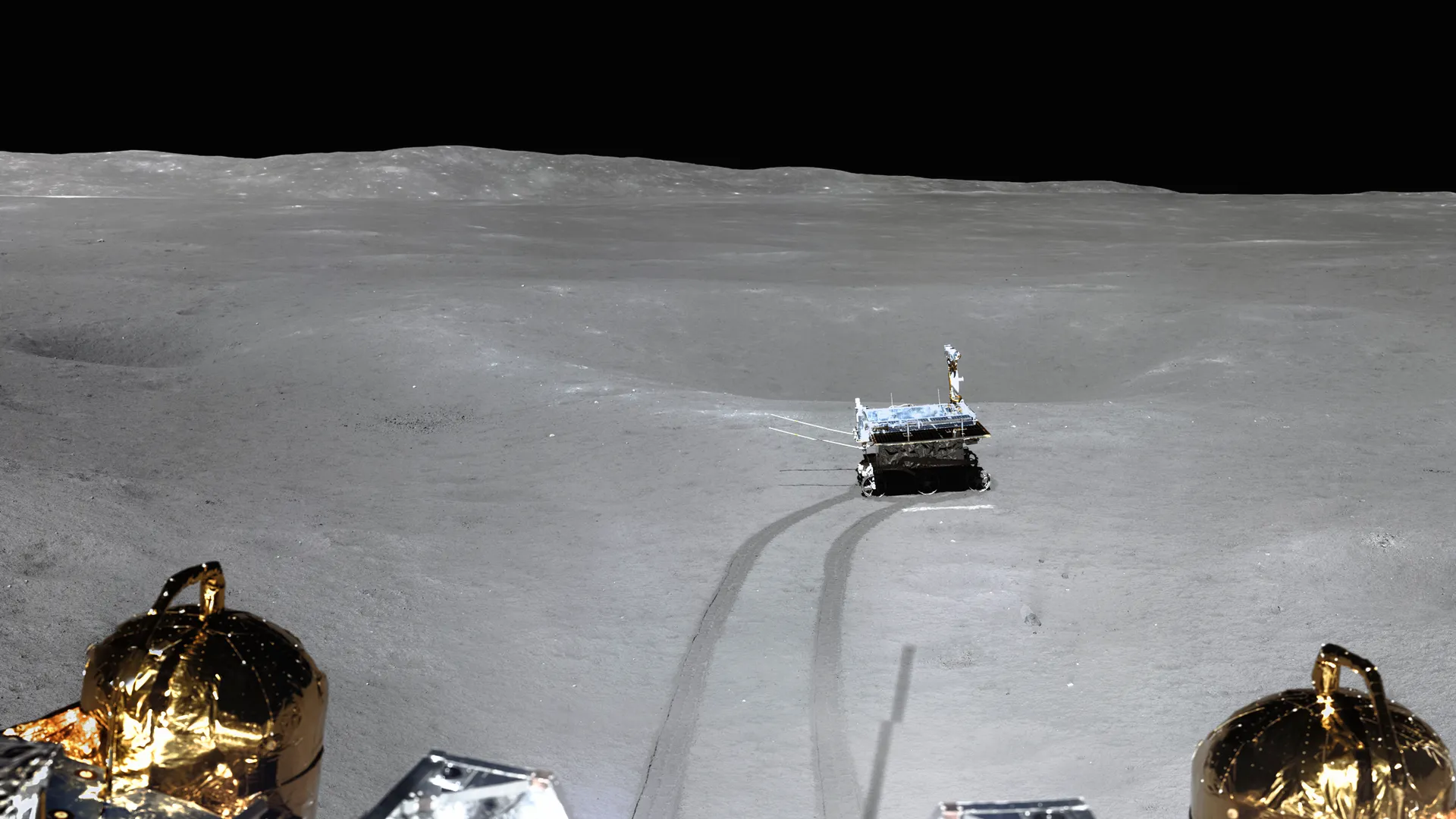
Meanwhile spaceflight stopped being a two-country affair. Europe, Japan and India built their own rockets and sent probes to comets, asteroids, the Moon and Mars, and China became the third country to launch people on its own rockets, then built a station and brought back samples from the far side of the Moon.

Begin with Salyut, Mir and Russia

4 stories · about 50 minutes of reading

  1. 1Salyut, Mir and the Russian half of the space stationThe Soviet Union flew the first space station in 1971 and kept people in orbit for a decade on Mir. After 1991 its station designs, crews and Soyuz ships became half of the International Space Station.History, about 13 minutes
  2. 2Promised as routine transport, the Shuttle flew 135 times in 30 yearsNixon approved a $5.5 billion reusable spaceplane in 1972 to make spaceflight routine and cheap. It repaired Hubble and built a space station, lost two crews, and never flew more than nine times in a year.Story and 3D model, about 10 minutes
  3. 3How Europe, Japan and India built space programs of their ownFrance reached orbit in 1965, Japan in 1970, India in 1980. Why each built its own rockets, what each became good at, and where Europe, Japan and India stood in November 2026.History, about 14 minutes
  4. 4China in space, from Qian Xuesen’s missiles to the Moon’s far sideHow a missile program begun in 1956 became a space station with permanent crews, the first landing and sample return on the Moon’s far side, a Mars rover, and a plan to land two astronauts on the Moon by 2030.History, about 13 minutes