The hangar
Every machine in the atlas, built to its real dimensions. Here the rockets stand together, with a person at the left for scale. Open any of them to turn it, take it apart and read how it was built.
Loading the machines
Rockets8
The launchers, from the Moon rockets of the 1960s to the reusable boosters flying now.
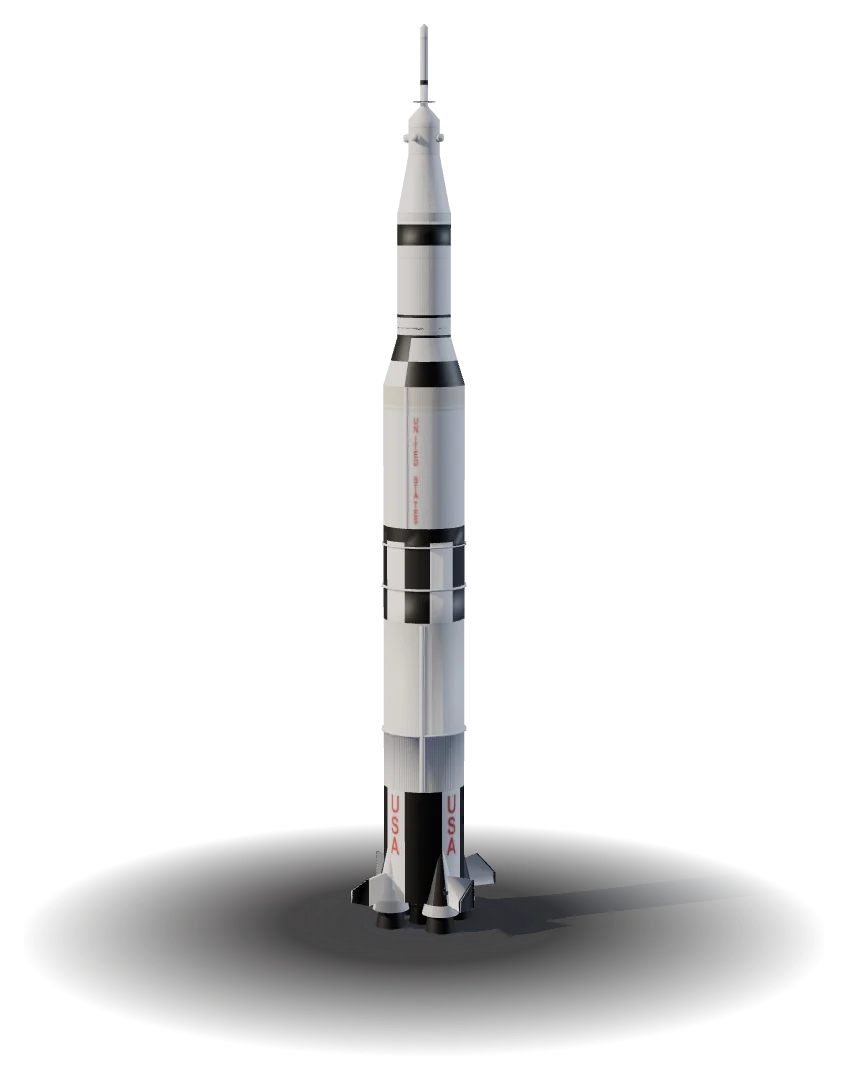 Saturn VThe three-stage rocket that launched every Apollo crew to the Moon, and Skylab on its last flight.
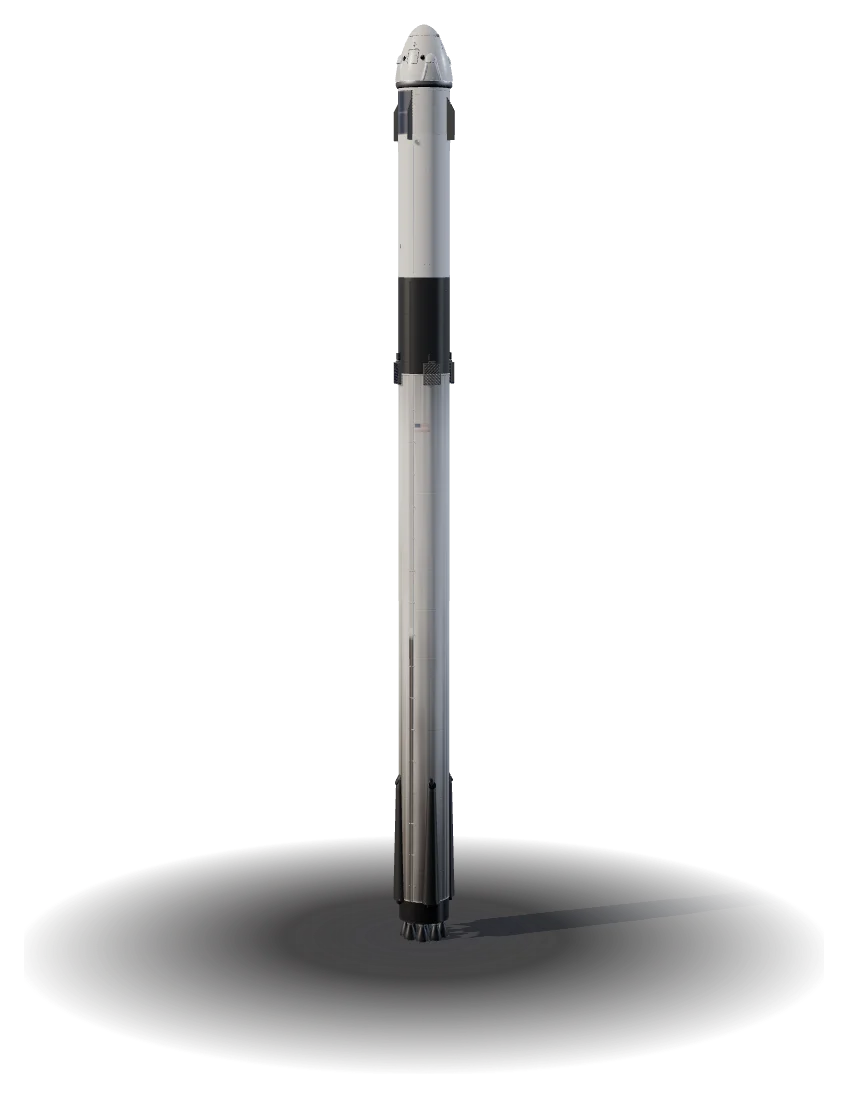 Falcon 9SpaceX’s workhorse: a two-stage rocket whose first stage lands and flies again.
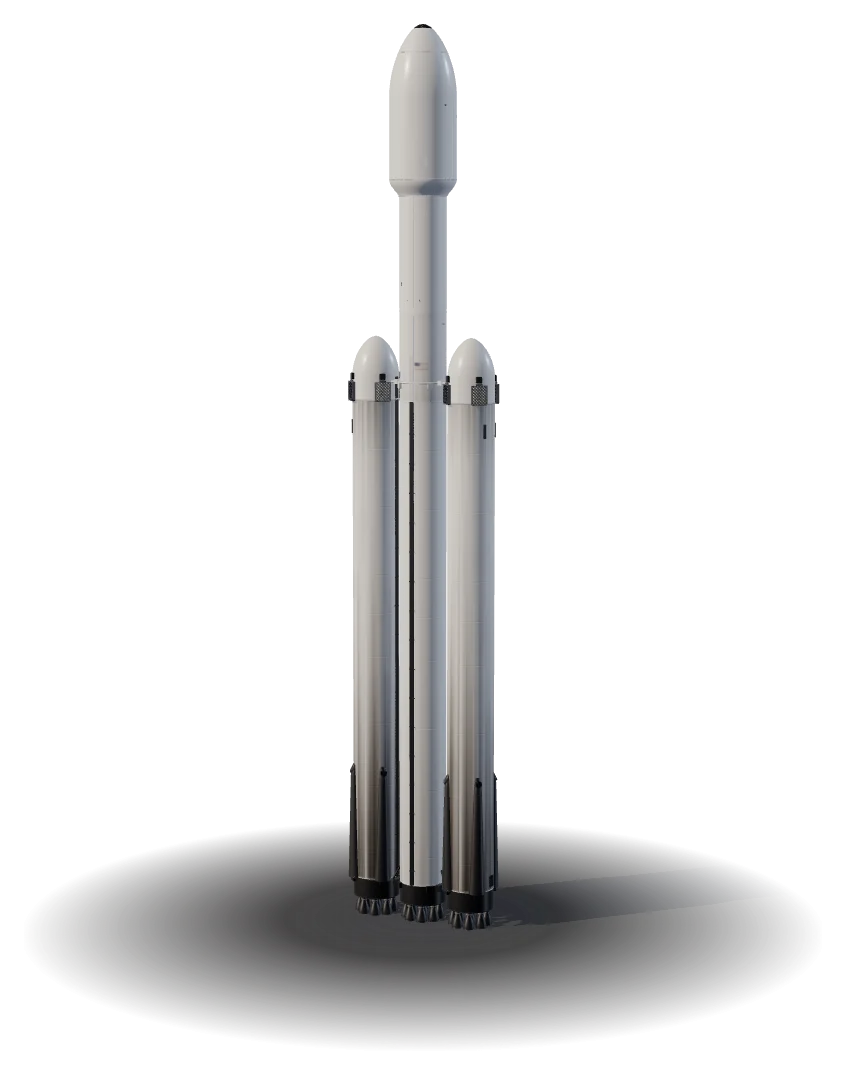 Falcon HeavyThree Falcon 9 first stages strapped together, for the heaviest commercial and NASA payloads.
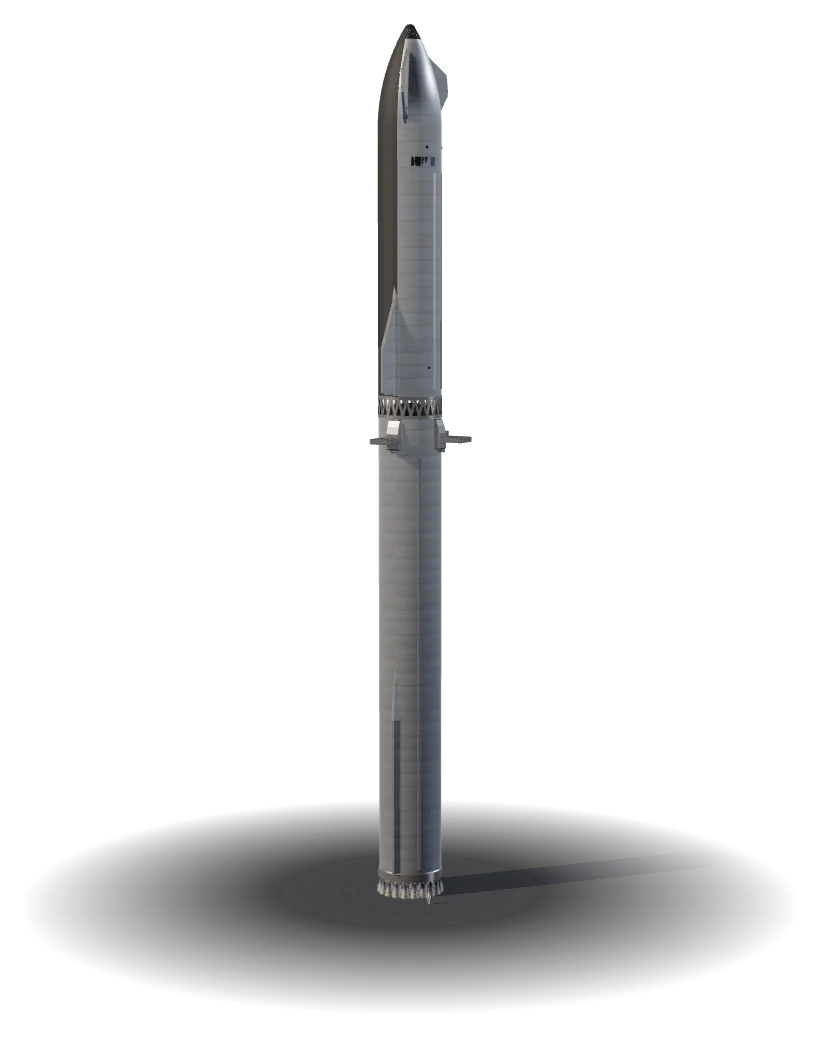 StarshipA two-stage system designed to be fully reusable: the Super Heavy booster and the Starship upper stage, built from stainless steel.
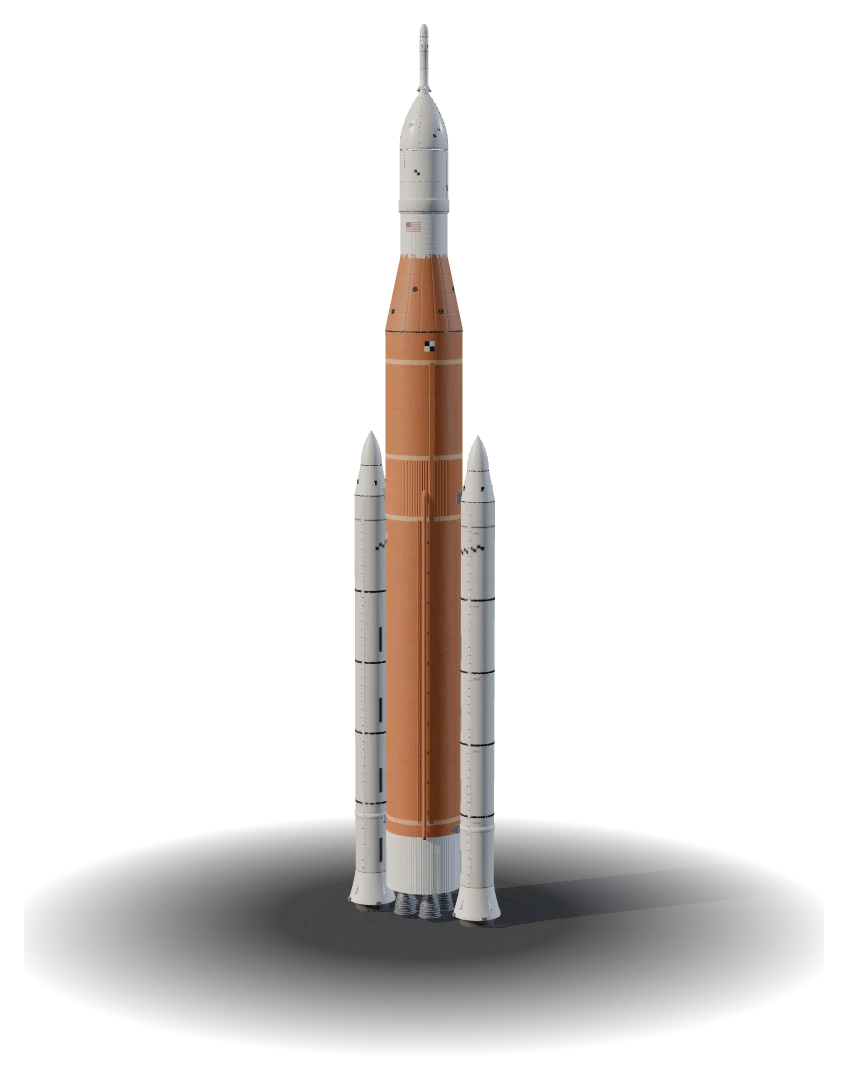 Space Launch SystemNASA’s Moon rocket: a core stage and four RS-25 engines from the Shuttle era, two solid boosters and Orion on top.
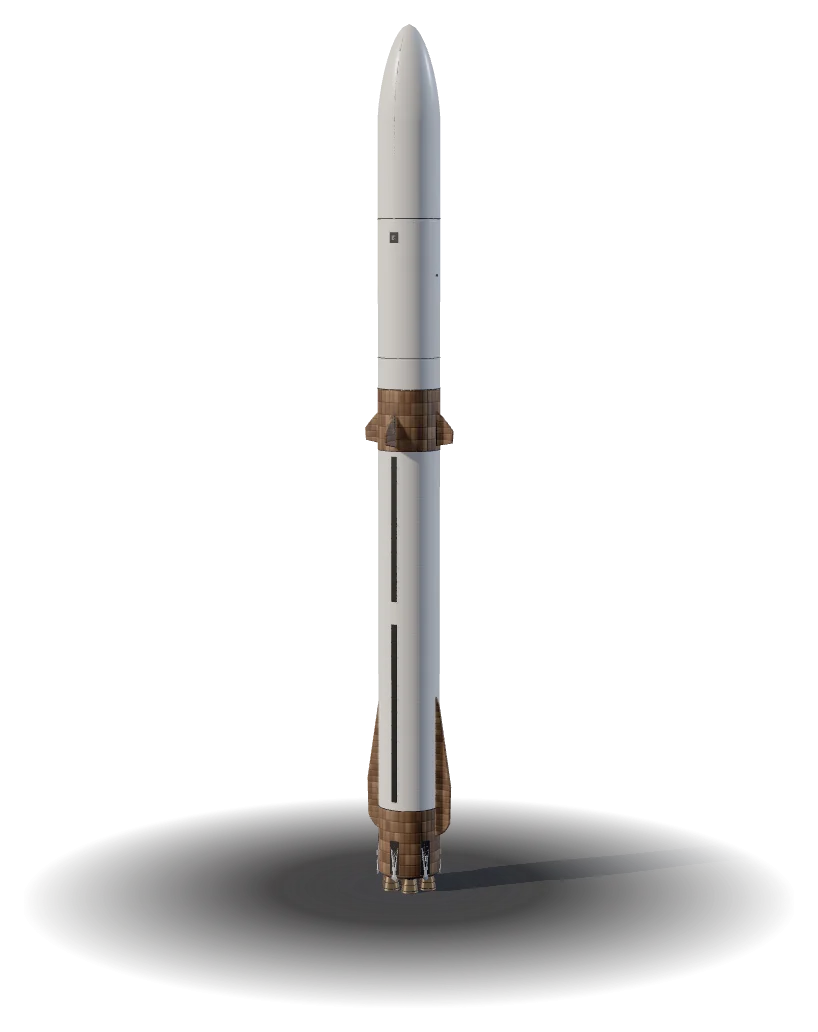 New GlennBlue Origin’s heavy rocket, with a reusable first stage and seven BE-4 engines.
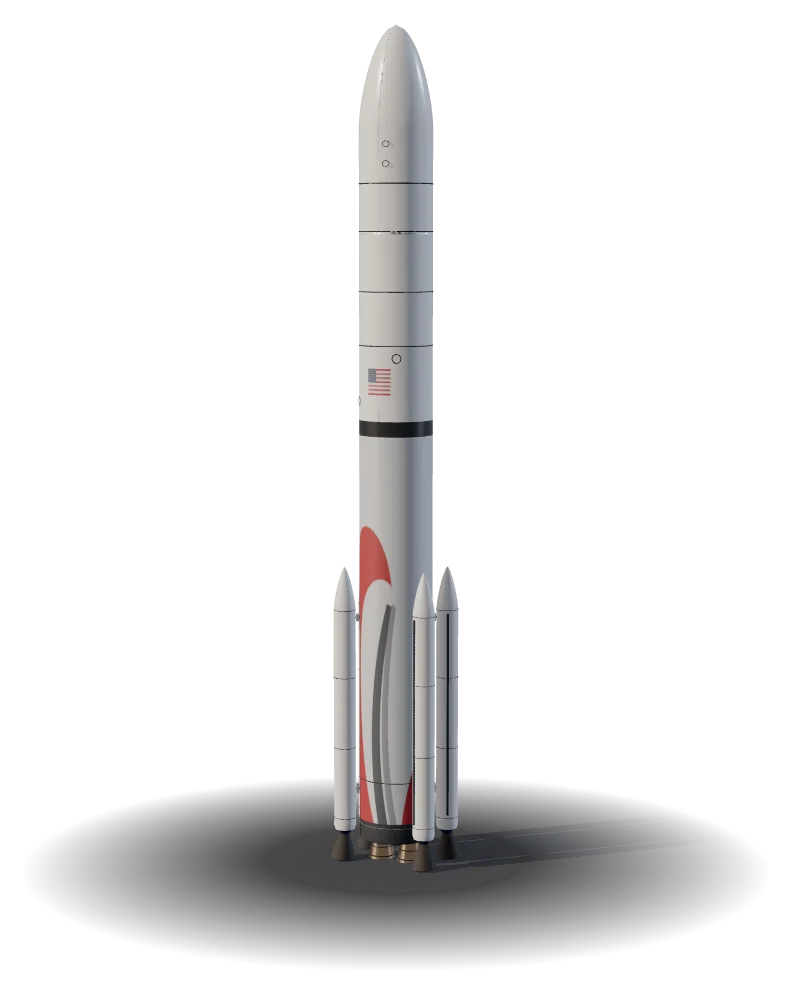 Vulcan CentaurUnited Launch Alliance’s successor to Atlas V, powered by the same BE-4 engines as New Glenn.
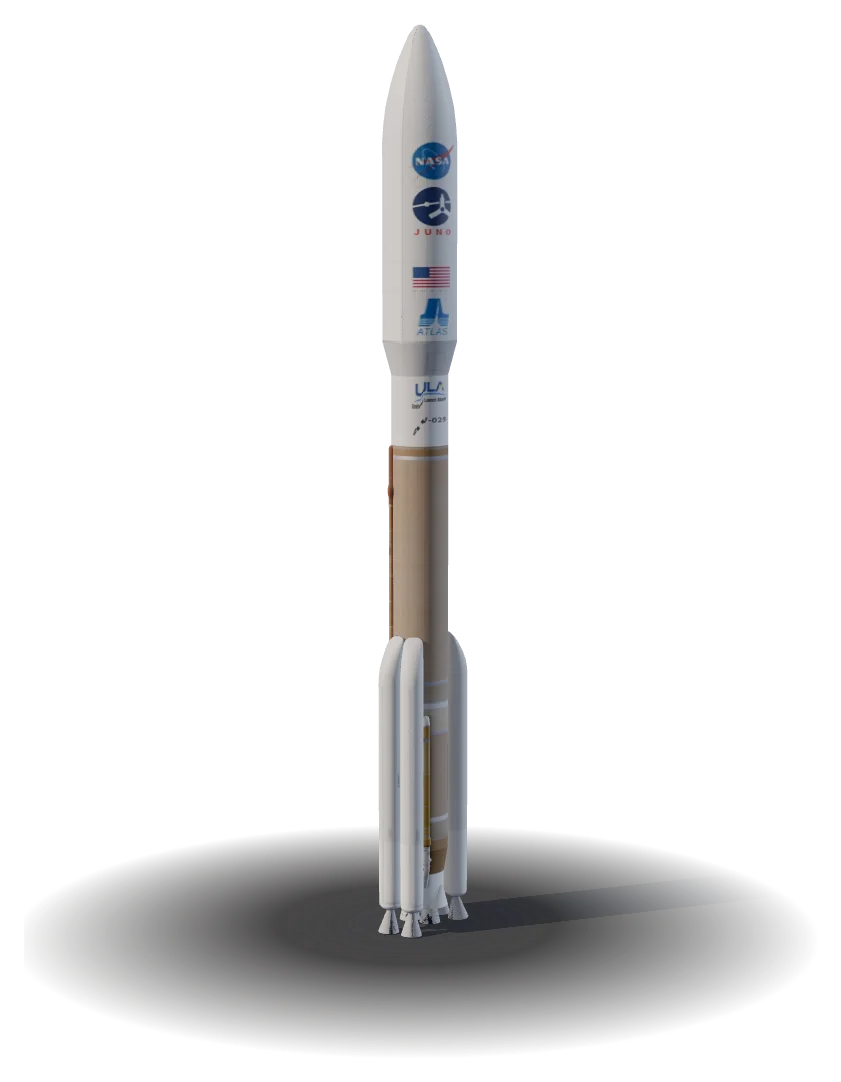 Atlas VA long-serving launcher for NASA science missions and national-security satellites, now being retired.
Crew spacecraft9
The ships that carry people to orbit, from Vostok and Gemini to Soyuz, Dragon and Orion, and the one winged orbiter in the atlas.
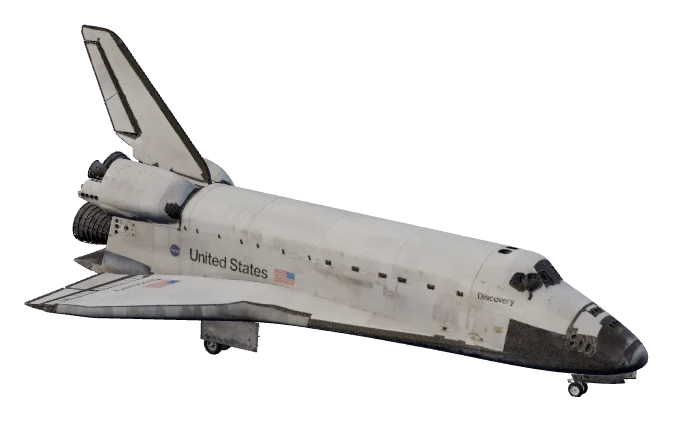 Space ShuttleA winged, partly reusable orbiter that flew 135 missions, built much of the Space Station and serviced Hubble.
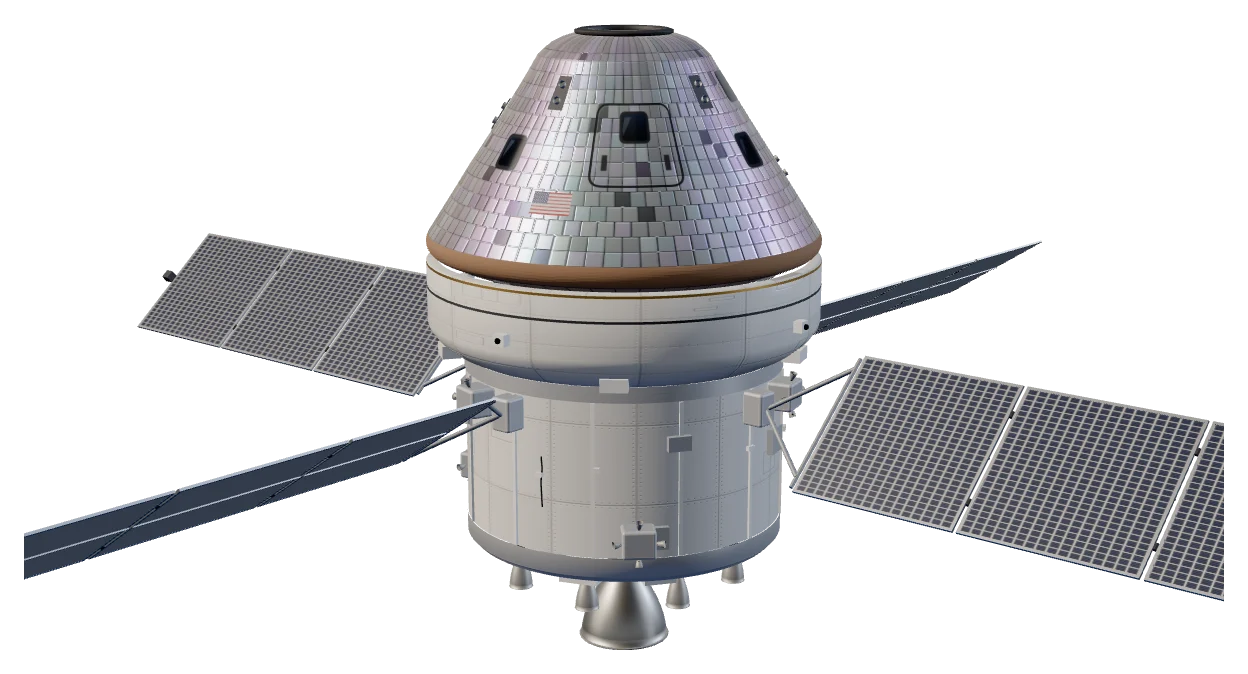 OrionNASA’s deep-space capsule: a Lockheed Martin crew module on a European service module.
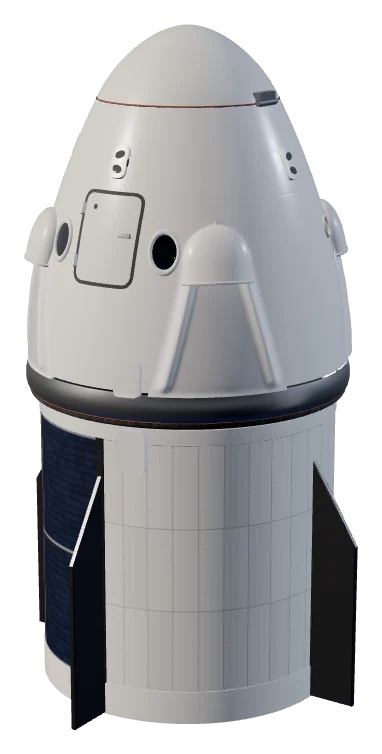 Crew DragonSpaceX’s capsule that carries NASA crews to the Space Station under a fixed-price contract.
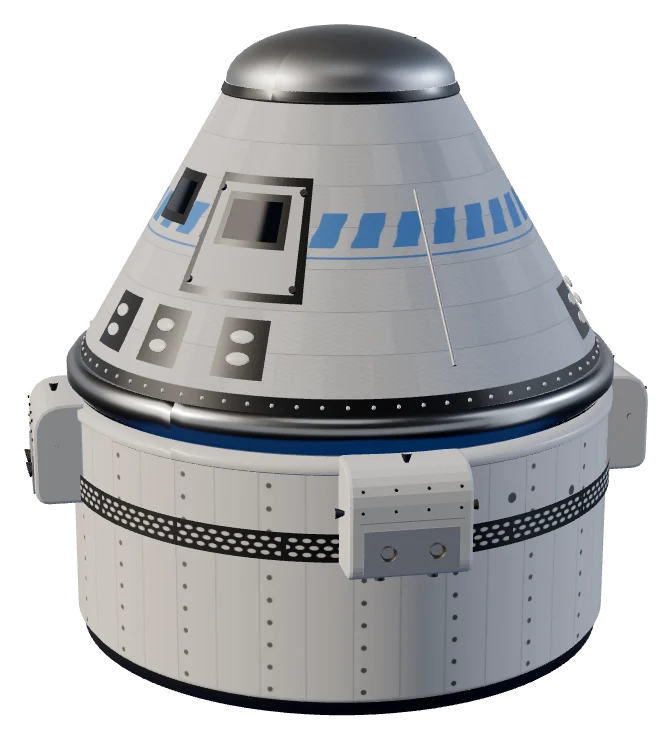 StarlinerBoeing’s crew capsule, ordered alongside Dragon in 2014 and still not certified to carry crews.
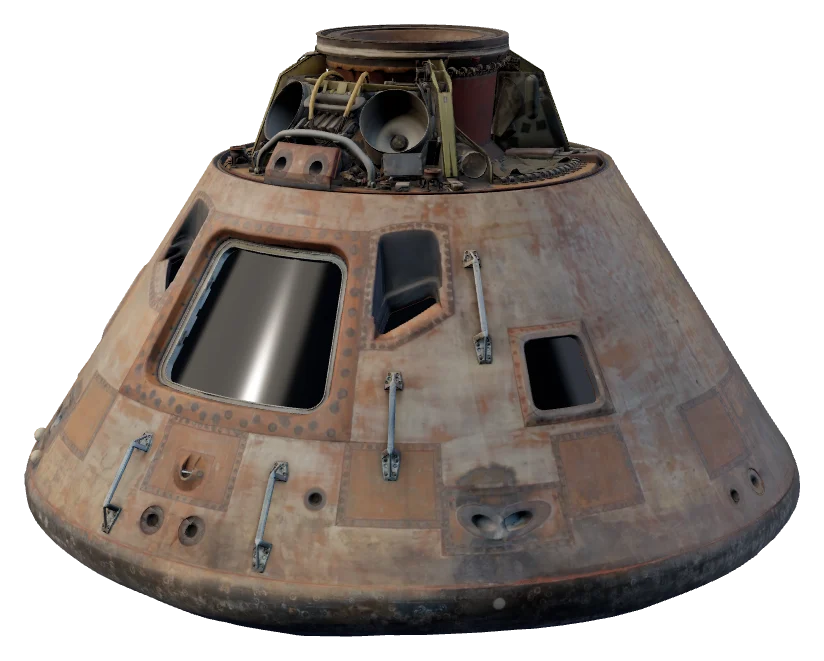 Apollo command moduleThe three-seat capsule that carried every Apollo crew to the Moon and back.
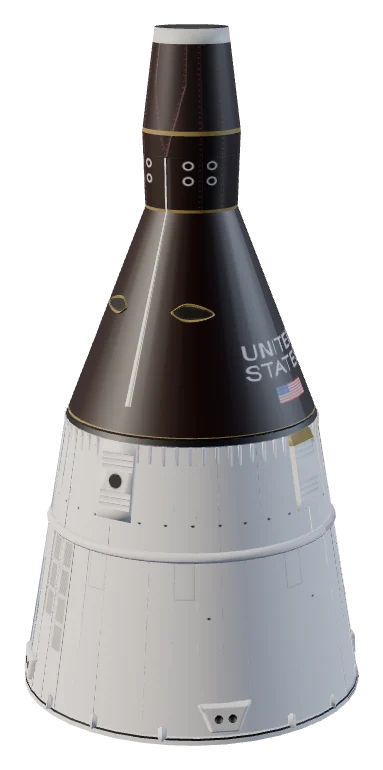 GeminiThe two-seat capsule that taught NASA to rendezvous, dock and work outside a spacecraft before Apollo.
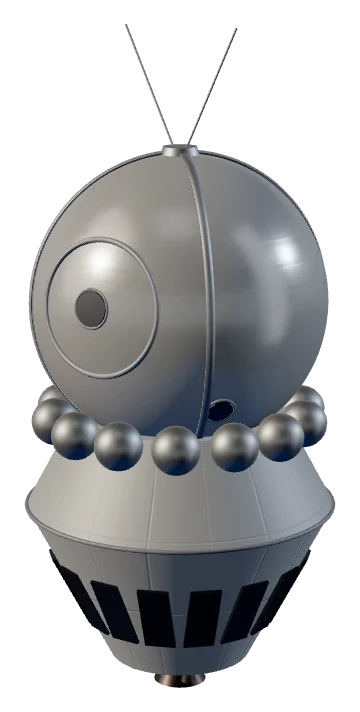 VostokThe Soviet one-seat capsule that carried Yuri Gagarin, the first person in space, in 1961, and Valentina Tereshkova, the first woman, in 1963.
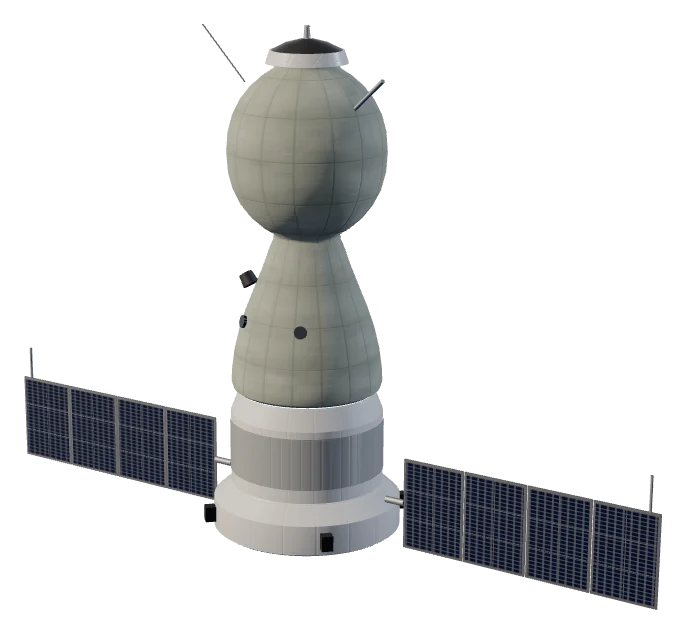 SoyuzThe Soviet, then Russian, crew ship of three modules, flying people since 1967, which has served every Soviet and Russian space station and the International Space Station.
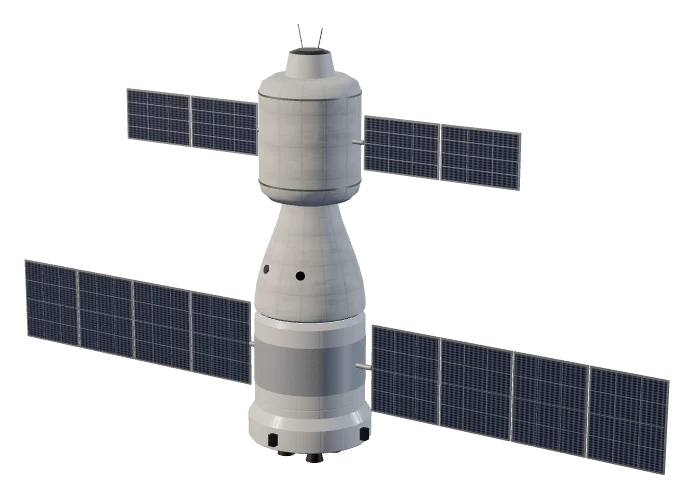 ShenzhouChina’s crew ship, three modules in the Soyuz layout, which has carried Chinese astronauts since 2003 and now flies them to the Tiangong station.
Lunar landers4
The machines built to land on the Moon: robotic landers that have already set down there, and the crewed landers NASA has chosen for Artemis.
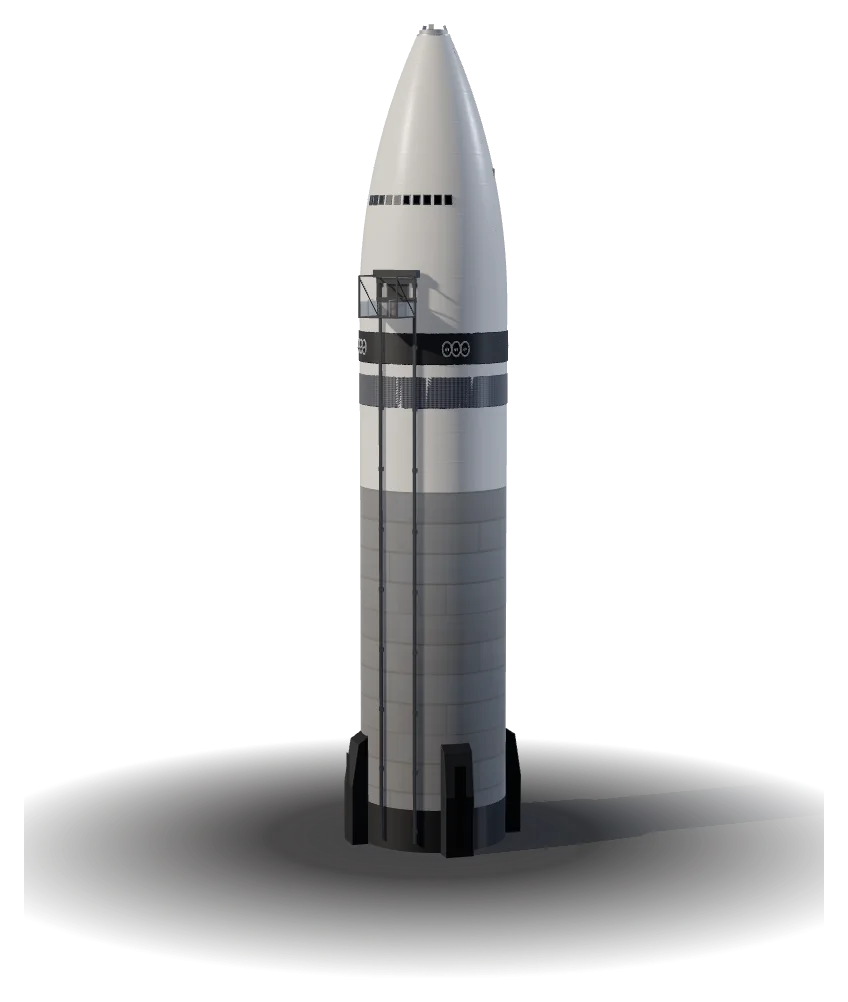 Starship HLSThe lunar version of Starship, chosen by NASA to land astronauts; it must be refilled in orbit before every trip.
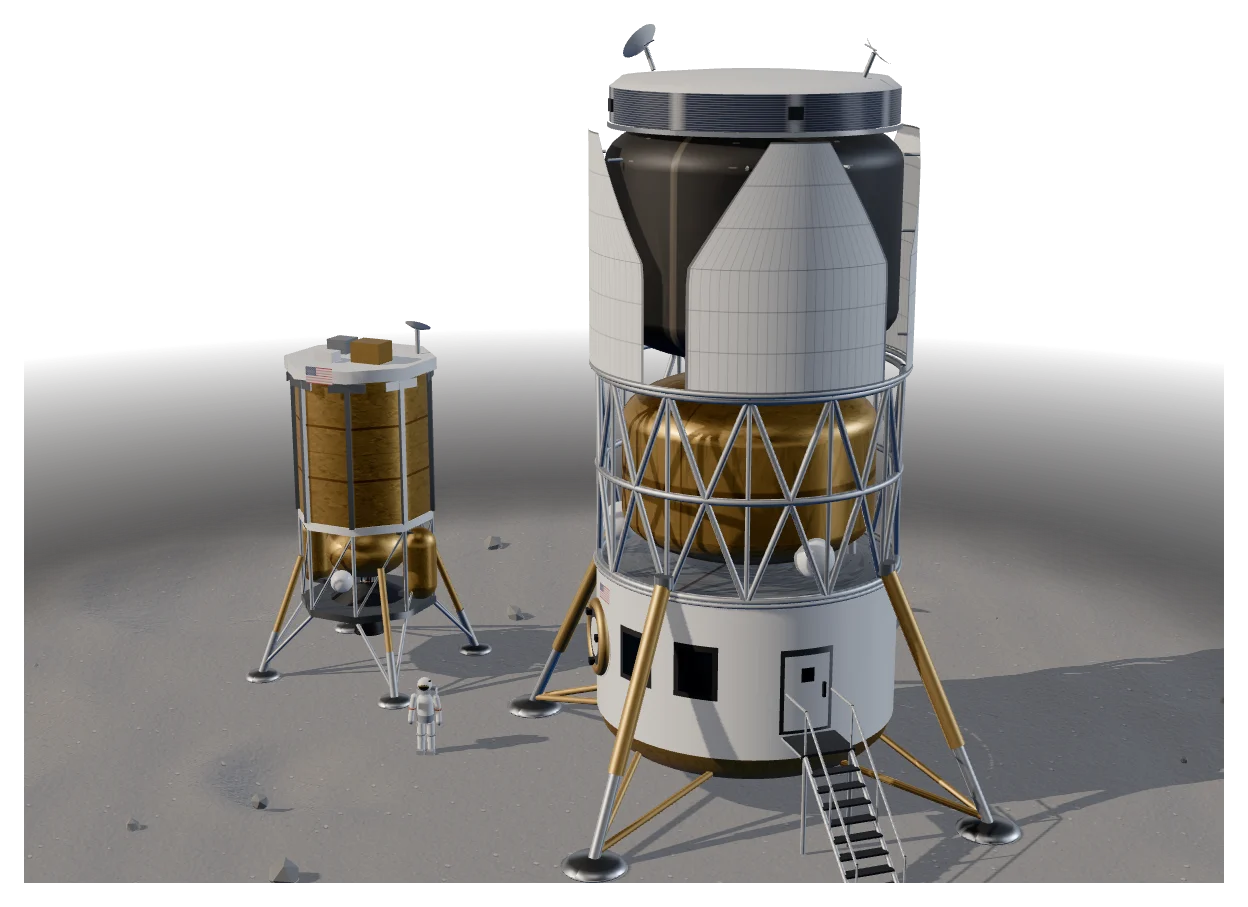 Blue MoonBlue Origin’s landers: the robotic Mk1 for cargo and the crewed Mk2, NASA’s second Artemis lander.
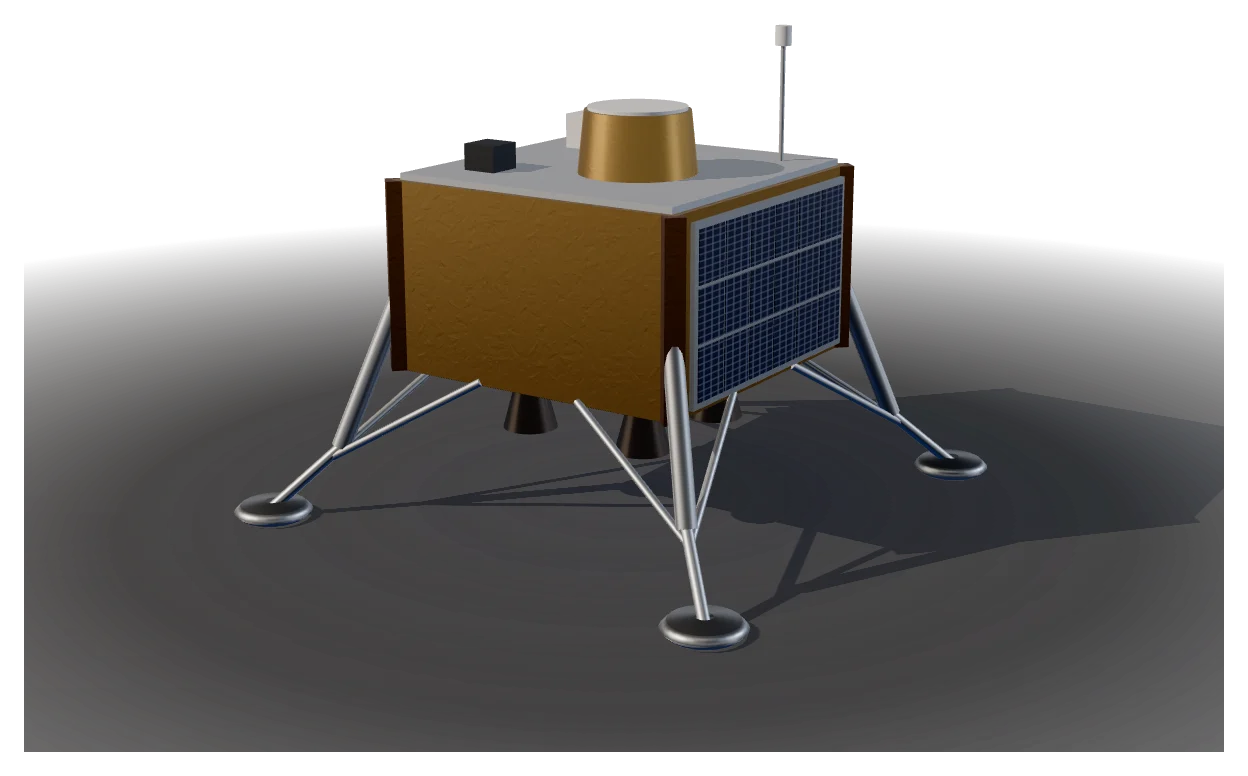 VikramThe lander of India’s Chandrayaan-3, which set down about 600 km from the Moon’s south pole on August 23, 2023, making India the fourth country to land softly on the Moon.
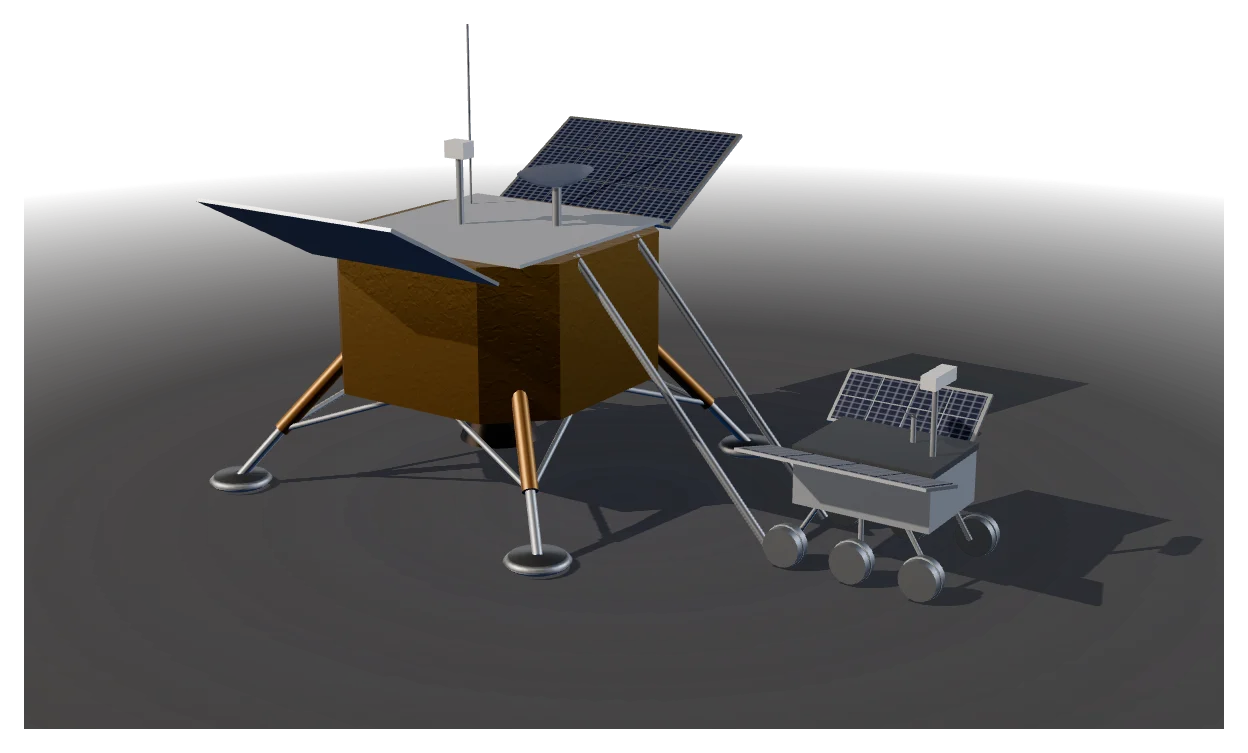 Chang’e 3China’s first Moon lander, which set the Yutu rover down in the Sea of Rains in December 2013, the first soft landing on the Moon since 1976.
Space stations3
Where people live and work in orbit: Mir, the International Space Station, not empty since 2000, and China’s Tiangong.
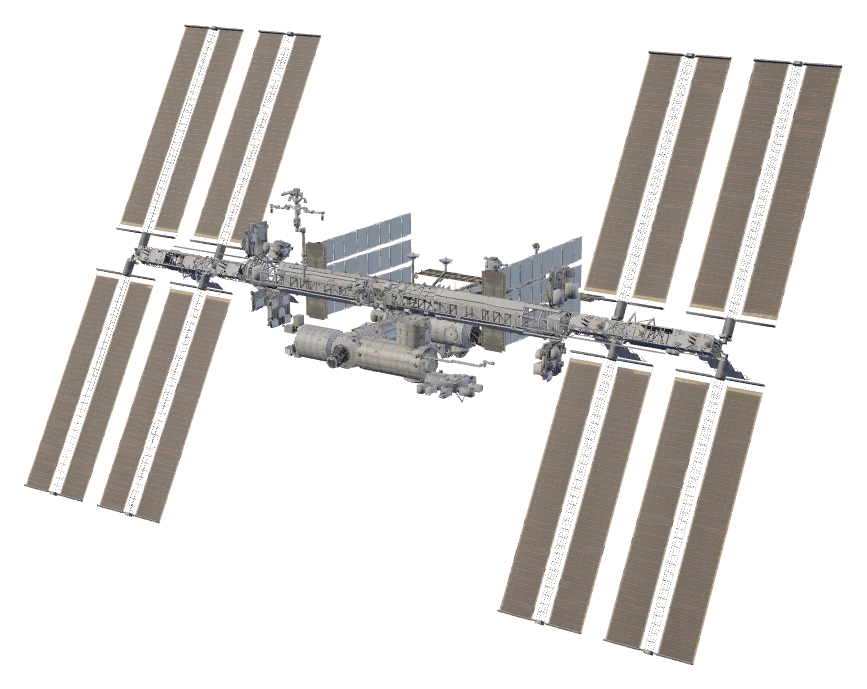 International Space StationA laboratory the size of a football field, occupied without a break since November 2000.
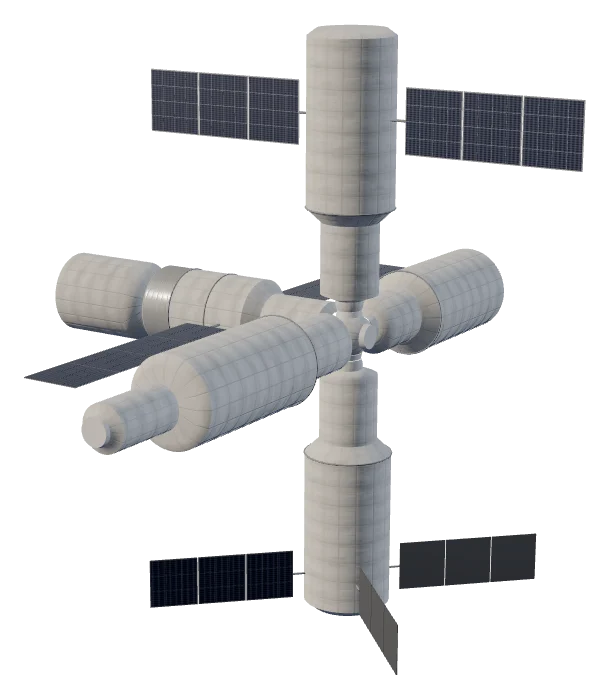 MirThe Soviet, then Russian, space station assembled from seven modules between 1986 and 1996, where crews lived without a break for almost ten years.
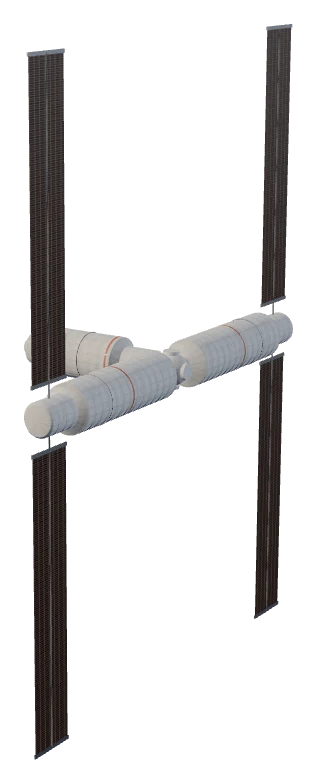 TiangongChina’s space station: the Tianhe core and two laboratories, launched in 2021 and 2022 and crewed in rotation by Shenzhou crews of three.
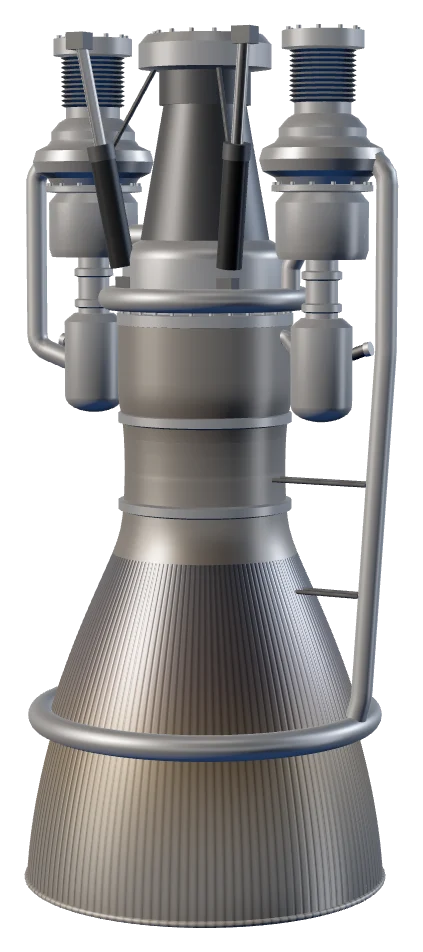
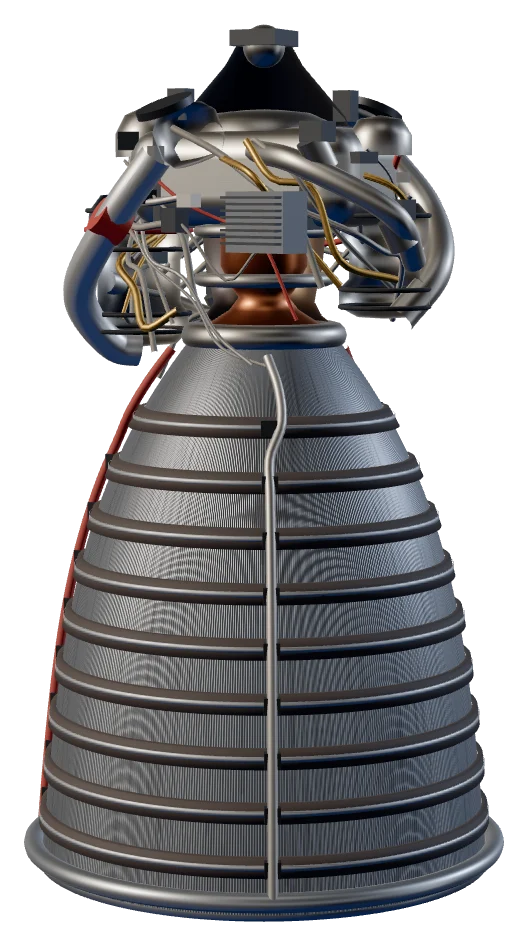
Engines2
The engines behind the rockets, shown on their own.
Observatories2
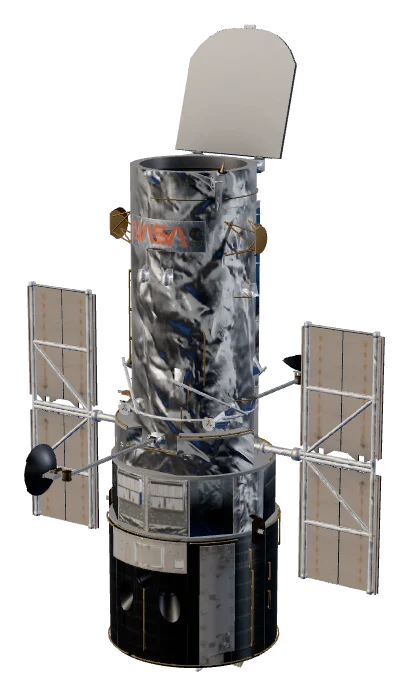
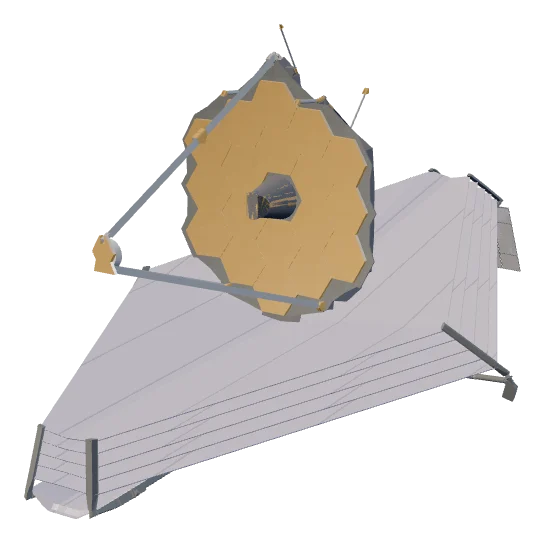
Telescopes in space, above the blur of the atmosphere.
Ground station1
The antennas on Earth that talk to every mission beyond the Moon.
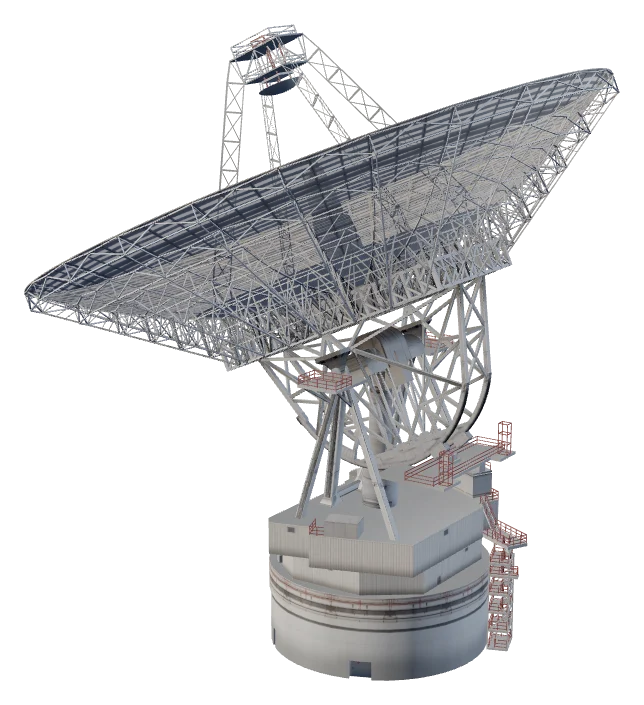
Rovers3
Rovers on the Moon and Mars, from Lunokhod 1 in 1970 to Perseverance.
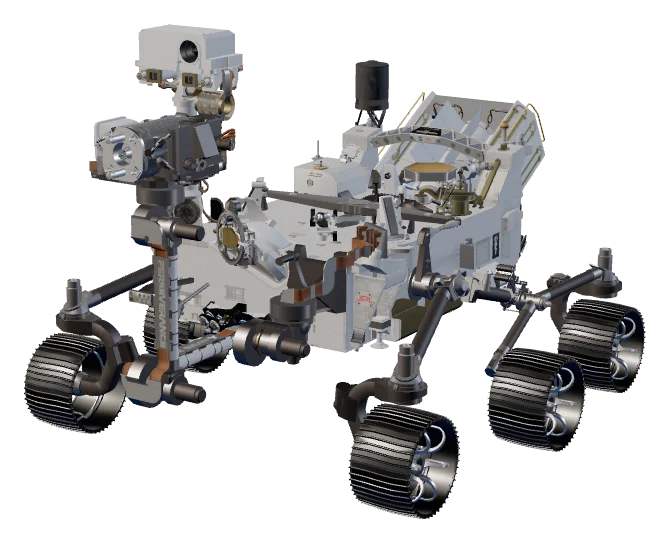 PerseveranceThe rover exploring Jezero Crater, once a Martian lake, and its rim for signs of ancient life, sealing rock cores in tubes for possible return to Earth.
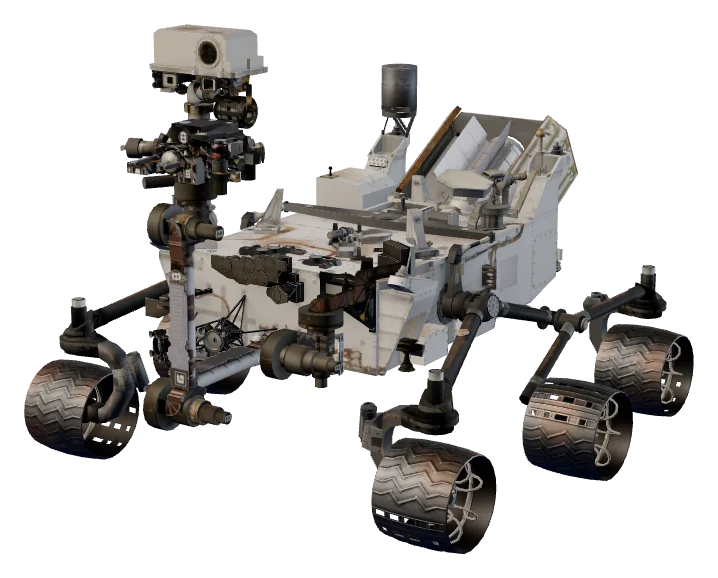 CuriosityThe car-sized rover that landed in Gale Crater in 2012, found that ancient Mars could have supported microbes, and has since climbed 1 km up Mount Sharp.
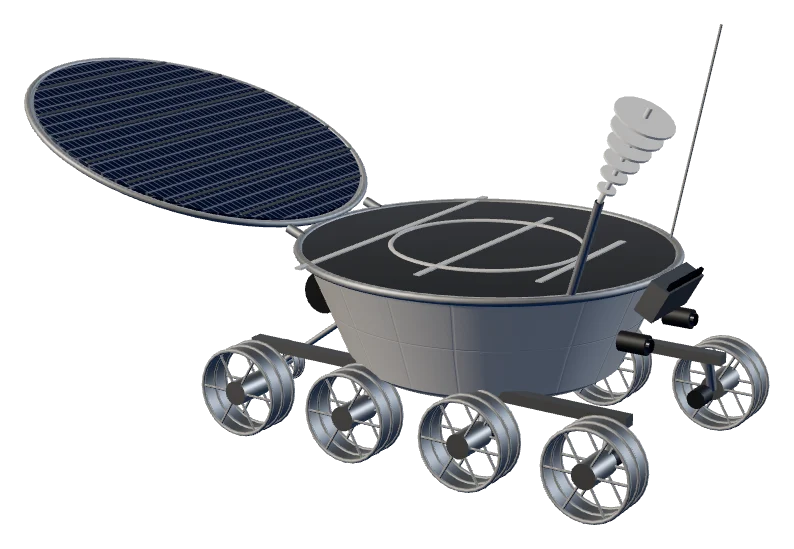 Lunokhod 1The Soviet eight-wheeled rover that Luna 17 landed in the Sea of Rains in 1970, the first wheeled vehicle to drive on another world, steered from Earth.
Probes4
Robotic spacecraft sent to the planets, the Sun and beyond.
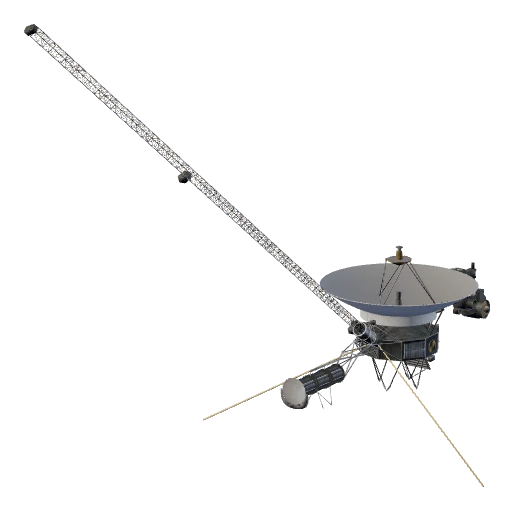 VoyagerTwin probes launched in 1977 that between them explored all four giant planets and now fly through interstellar space.
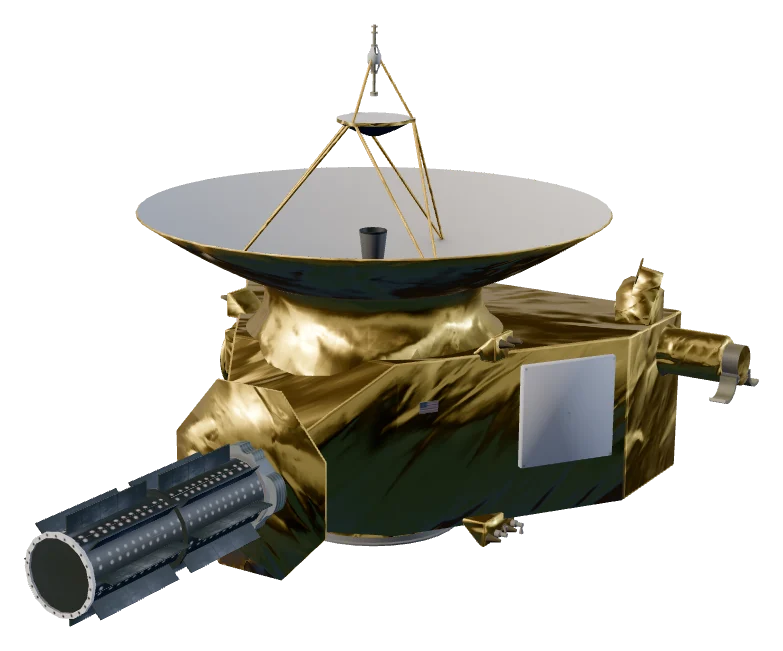 New HorizonsThe probe that flew past Pluto in 2015 and Arrokoth in 2019, the most distant object ever explored up close.
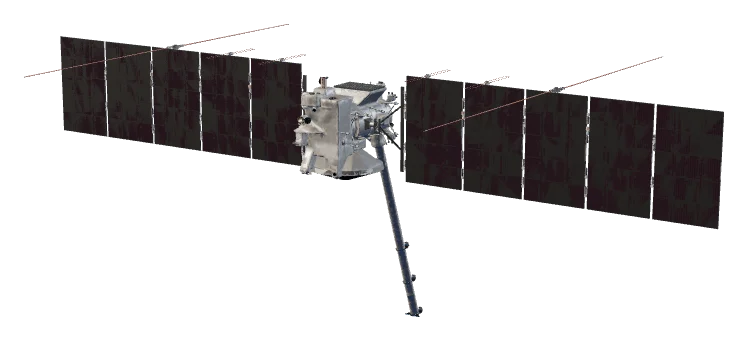 Europa ClipperNASA’s spacecraft bound for Jupiter’s ocean moon Europa, which it will pass 49 times.
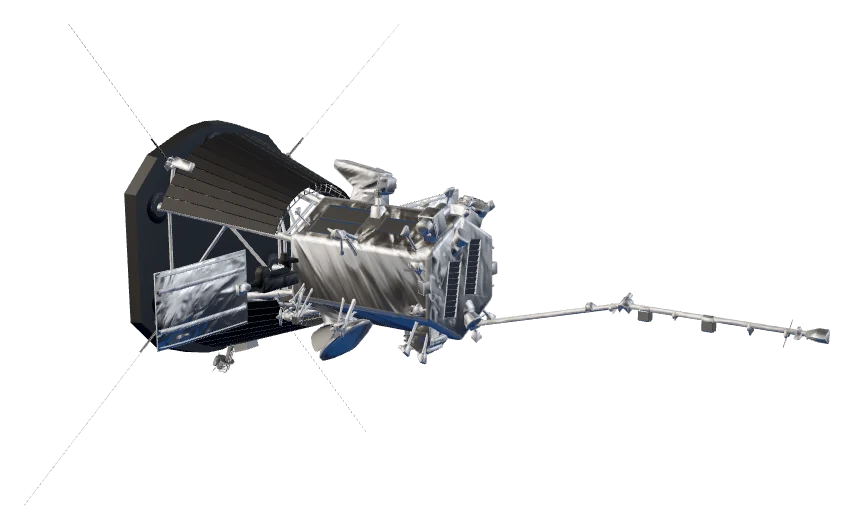 Parker Solar ProbeThe fastest object ever built, flying through the Sun’s outer atmosphere.
Satellites6
From the first satellites, Sputnik 1 and Explorer 1, to the ones that guide navigation, watch the weather and relay signals.
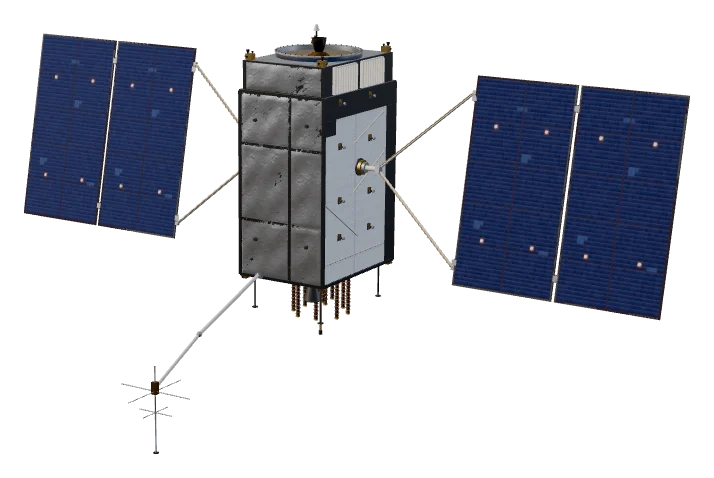 GPS IIIThe newest generation of Global Positioning System satellites, built by Lockheed Martin and flown by the Space Force.
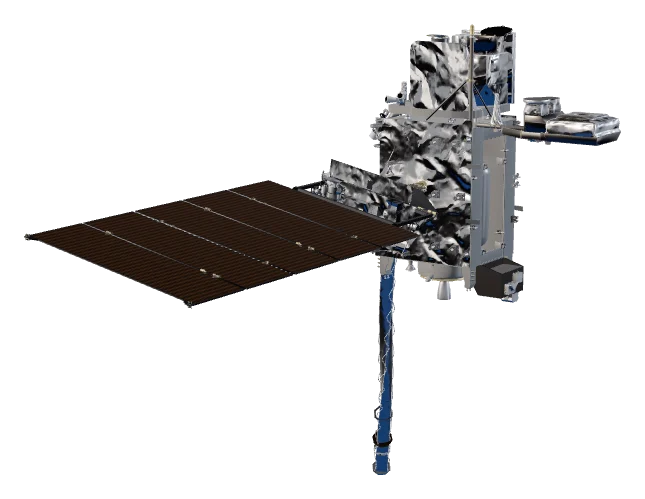 GOES-RNOAA’s geostationary weather satellites, watching the Americas every few minutes.
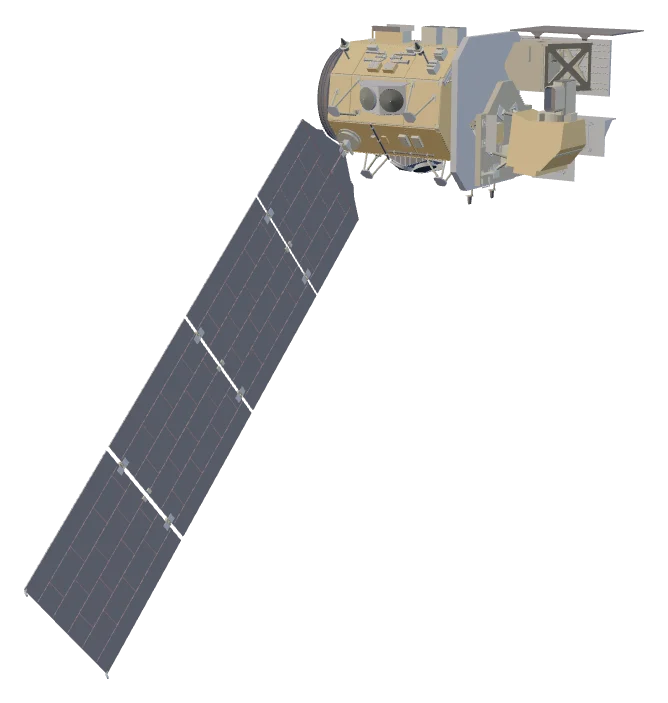 LandsatThe longest continuous record of Earth’s land surface from space, begun in 1972.
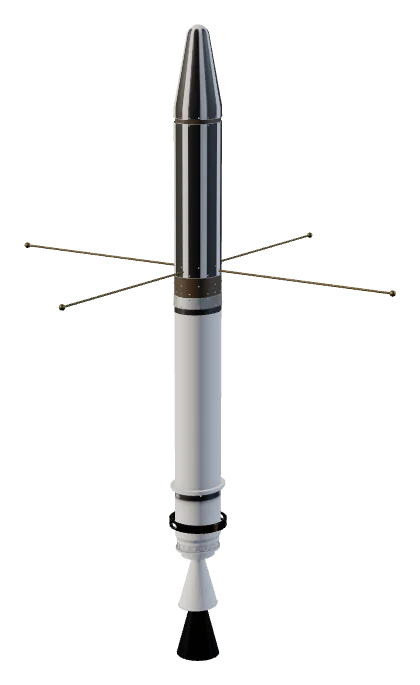 Explorer 1The first American satellite, which found the radiation belts around Earth.
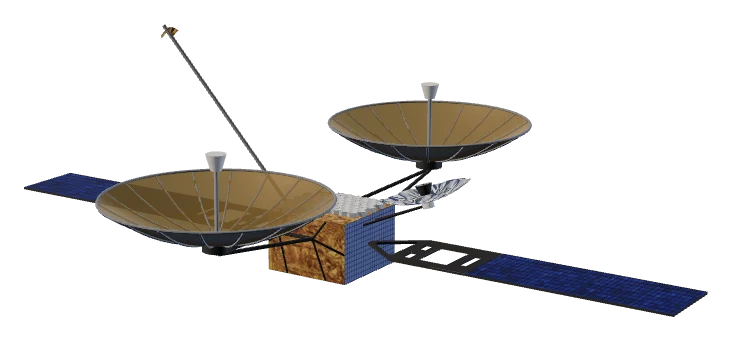 TDRSRelay satellites in geostationary orbit that carry signals between Earth and the Space Station, Hubble and other spacecraft.
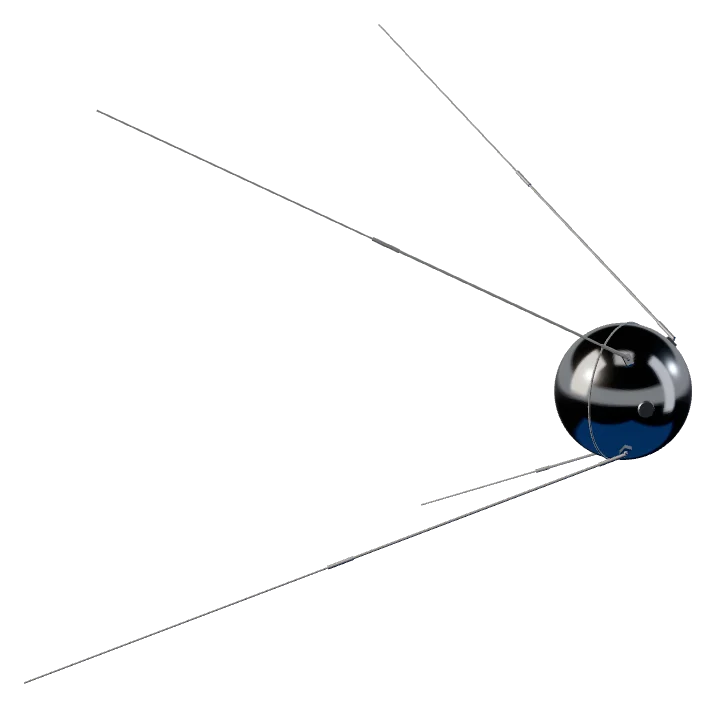 Sputnik 1The first artificial satellite: a Soviet radio sphere 58 centimeters across, launched on October 4, 1957, whose signal began the space race.