U.S. Space Force
Operates GPS and buys national-security launches from SpaceX, ULA and Blue Origin.
- Founded
- 2019
- Headquarters
- The Pentagon, Arlington, Virginia
- Machines in the atlas
- 1
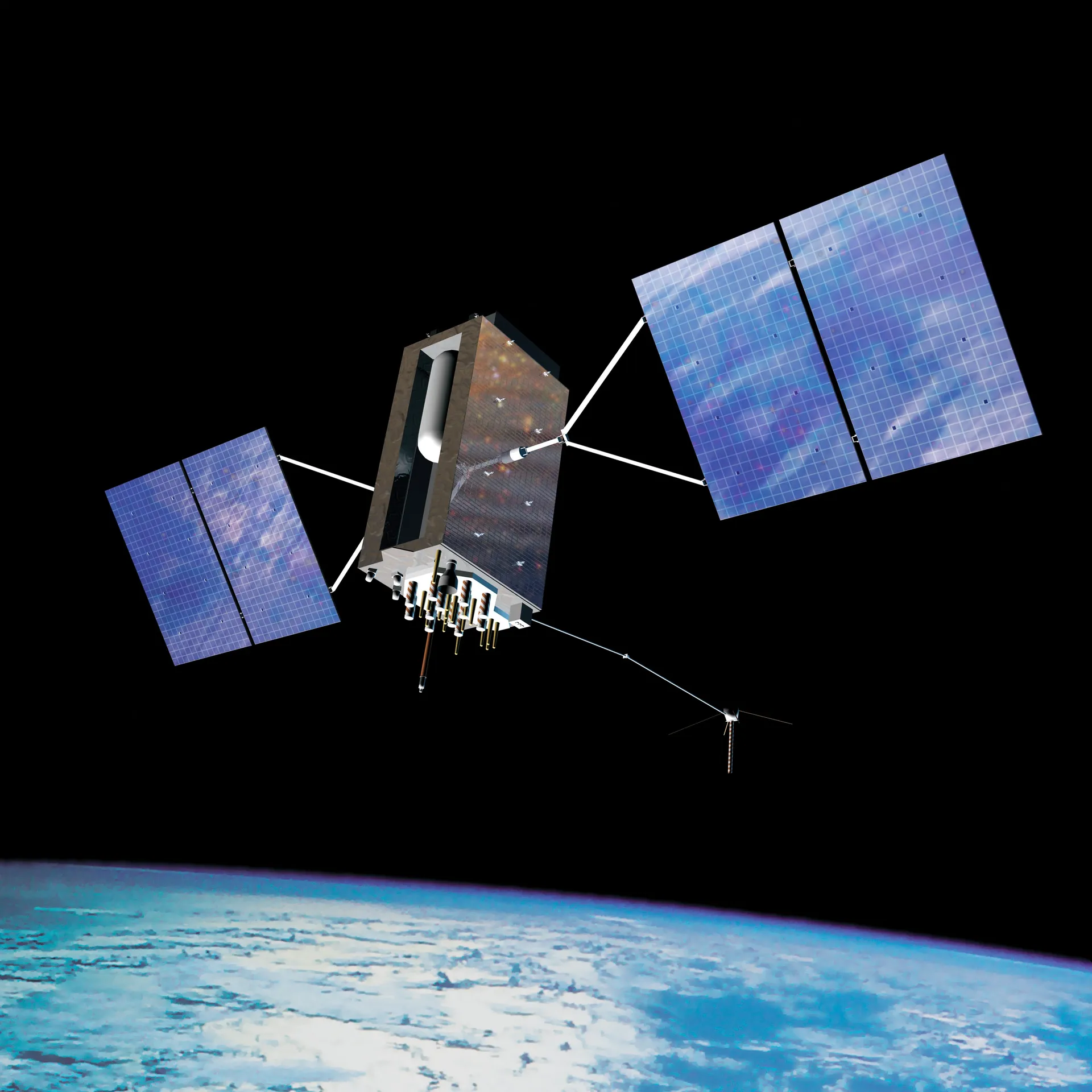
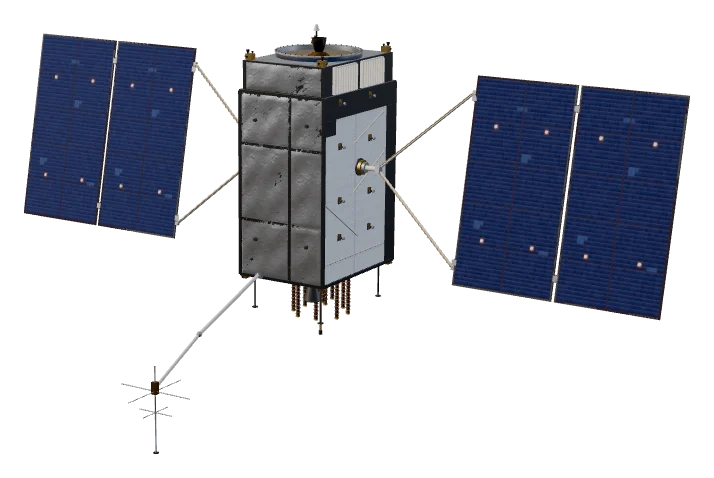
The Space Force was established on December 20, 2019, as a separate armed service organized under the Department of the Air Force, much as the Marine Corps sits within the Department of the Navy. It operates the GPS constellation, whose civilian service is free to all users worldwide, and runs the National Security Space Launch program, which certifies rockets and buys launches for military and intelligence satellites.
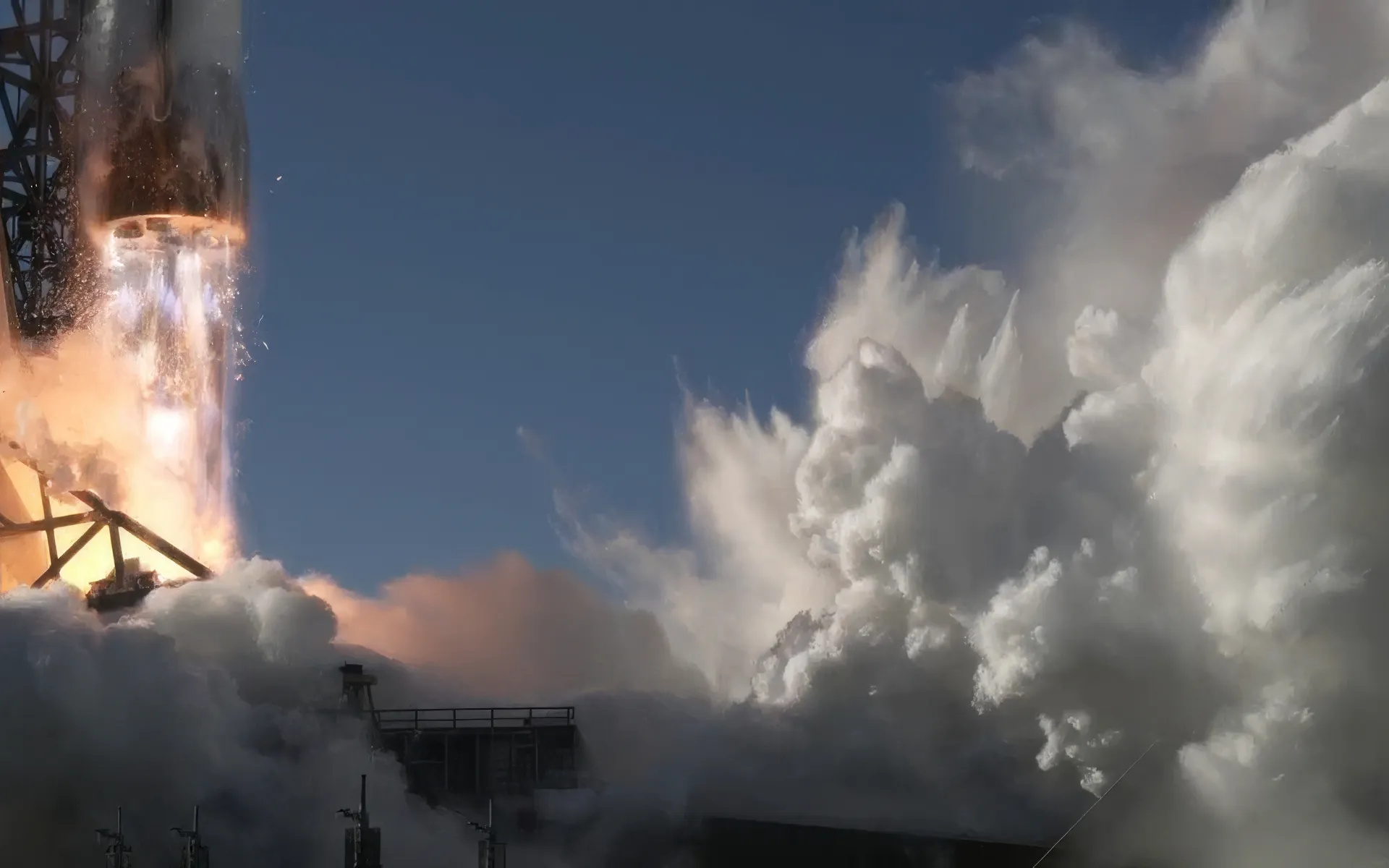
The tenth and last GPS III satellite reached orbit on April 21, 2026, after which the Space Force counted 32 satellites in the active constellation. In April 2025 it divided about $13.7 billion for an expected 54 of its most demanding launches, to fly from fiscal 2027 to 2032, among SpaceX (28), ULA (19) and Blue Origin (7). After a solid-booster anomaly on a Vulcan flight on February 12, 2026, it stopped launching national-security missions on Vulcan and moved several to SpaceX, among them the last GPS III satellite. ULA has set Vulcan’s return to flight for November 13, 2026; the Space Force will judge from Vulcan’s first few commercial flights when to fly military payloads on it again.
Its machines
Stories that involve Space Force
Sources
- About Us U.S. Space Force
- GPS GPS.gov (National Coordination Office for Space-Based Positioning, Navigation, and Timing)
- Space Force Awards Blue Origin Task Order to Launch National Reconnaissance Mission Space Systems Command, May 29, 2026
- Space Access Space Systems Command
- U.S. Space Force delivers final GPS III to orbit, advancing its most resilient constellation for military, civil capabilities U.S. Space Force, Space Systems Command, April 21, 2026
- U.S. Space Force awards $13.7 billion in new national security launch contracts to Blue Origin, SpaceX and ULA Spaceflight Now, April 5, 2025
- Space Force won’t launch Vulcan rockets until booster problem solved (Orlando Sentinel) Phys.org, March 3, 2026
- ULA Says Vulcan Rocket Will Launch Again in November After Monthslong Pause Air & Space Forces Magazine, October 28, 2026
- United Launch Alliance announces mid-November return to flight for Vulcan rocket Spaceflight Now, October 28, 2026