Parker Solar Probe
The fastest object ever built, flying through the Sun’s outer atmosphere.
- Type
- Probe
- Status
- Operating
- First flight
- August 12, 2018
- Size
- 3 m (10 ft)
- Built by
- NASA
- 3.8M mi
- from the Sun’s surface at closest approach, first reached December 24, 2024
- 430,000 mph
- top speed, faster than any other human-made object
- 29
- close approaches to the Sun through September 4, 2026
Parker Solar Probe, designed, built and operated by the Johns Hopkins Applied Physics Laboratory for NASA, launched on a Delta IV Heavy on August 12, 2018, to trace how energy heats the Sun’s corona, find the sources of the solar wind and learn how energetic particles are accelerated. Named for physicist Eugene Parker, who predicted the solar wind in 1958, it was the first NASA mission named for a living researcher.
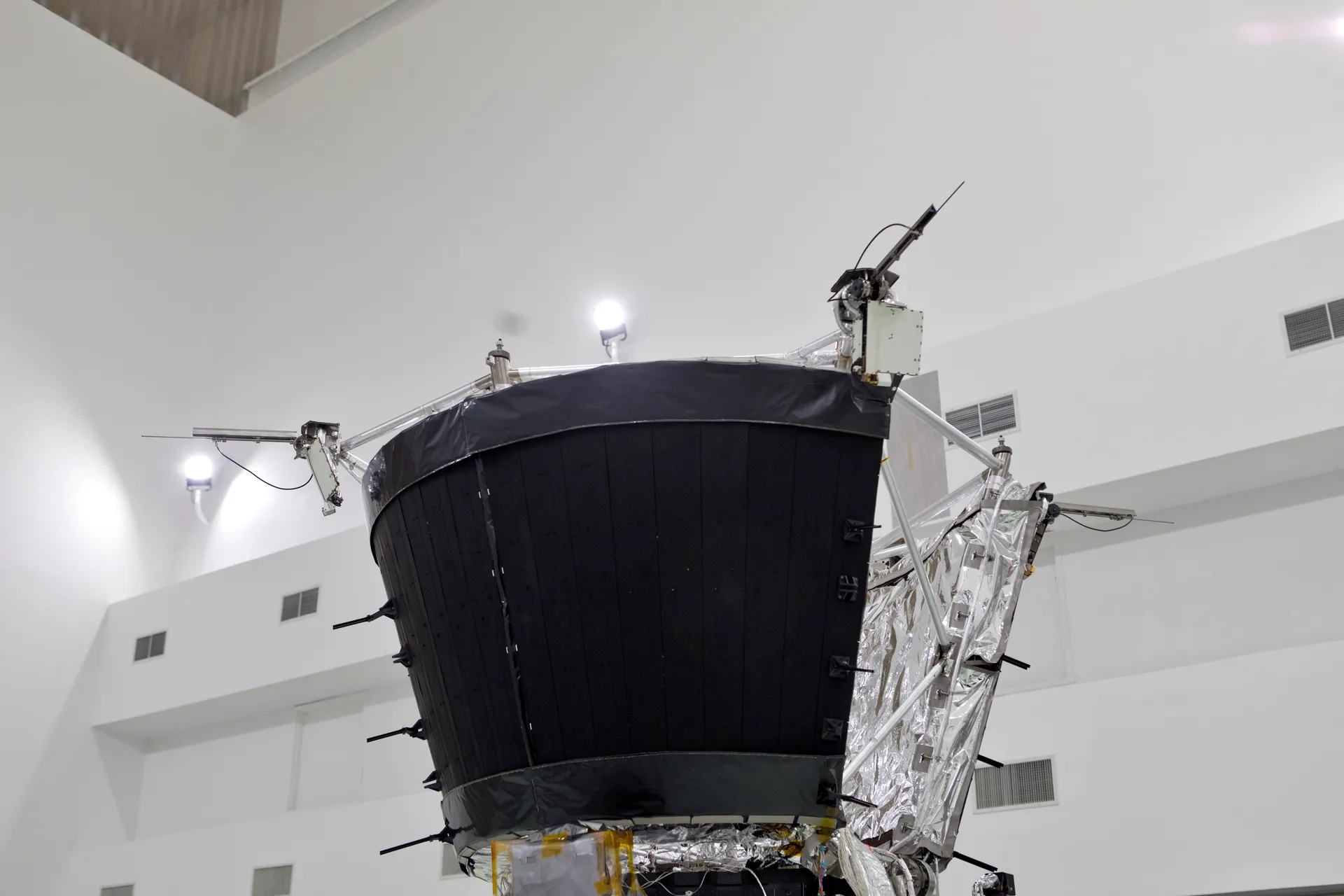
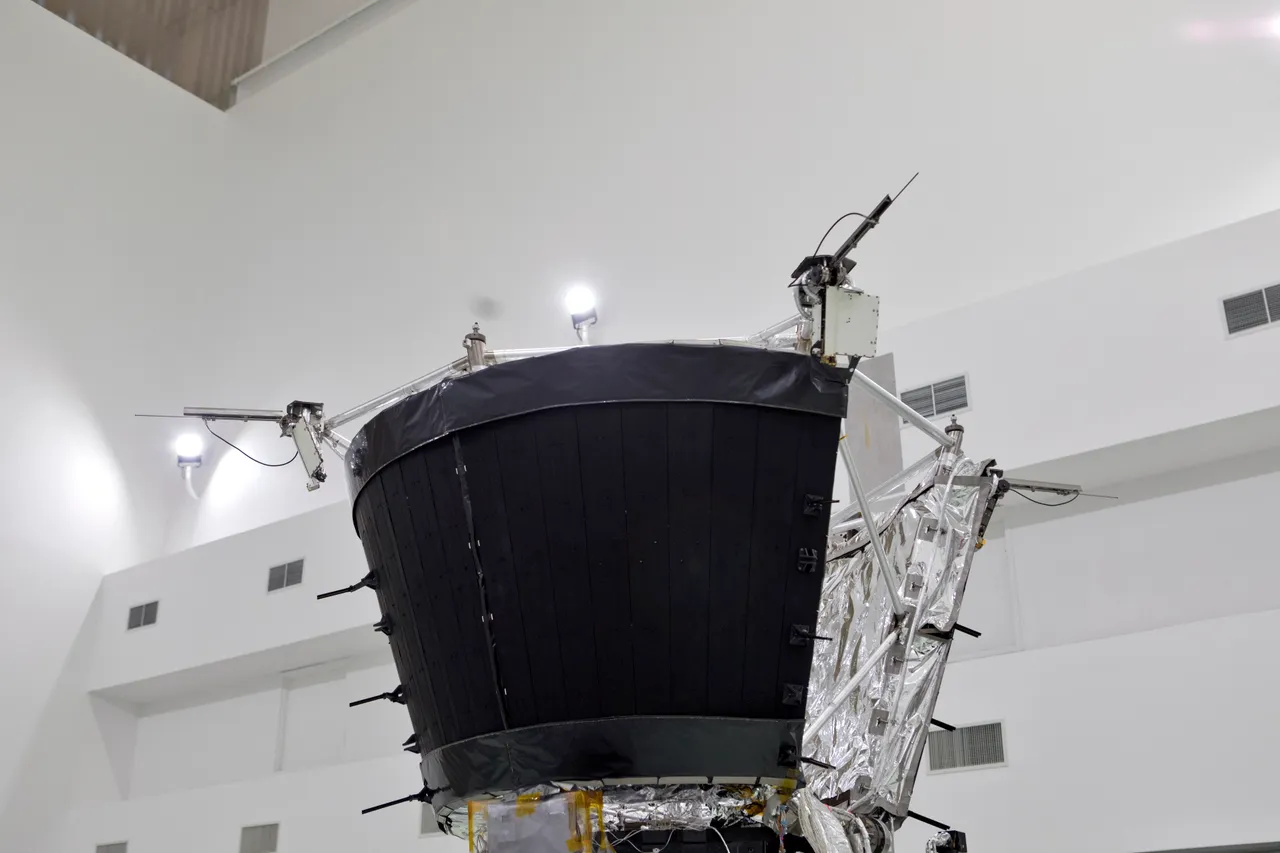
Seven flybys of Venus drew its orbit in. In 2021 it became the first spacecraft to fly through the corona, and on December 24, 2024, it passed 3.8 million miles from the Sun’s surface at about 430,000 miles per hour, records it has matched on every pass since. A 4.5-inch-thick carbon-composite heat shield keeps the instruments behind it near room temperature.
Parker completed its 29th close approach on September 4, 2026, and a 2026 review extended its mission into 2029.