NASA
The civilian space agency: it sets the missions, oversees ten field centers (including the Jet Propulsion Laboratory, which Caltech runs for it) and buys most of its hardware and services from industry.
- Founded
- 1958
- Headquarters
- Washington, D.C.
- Machines in the atlas
- 21
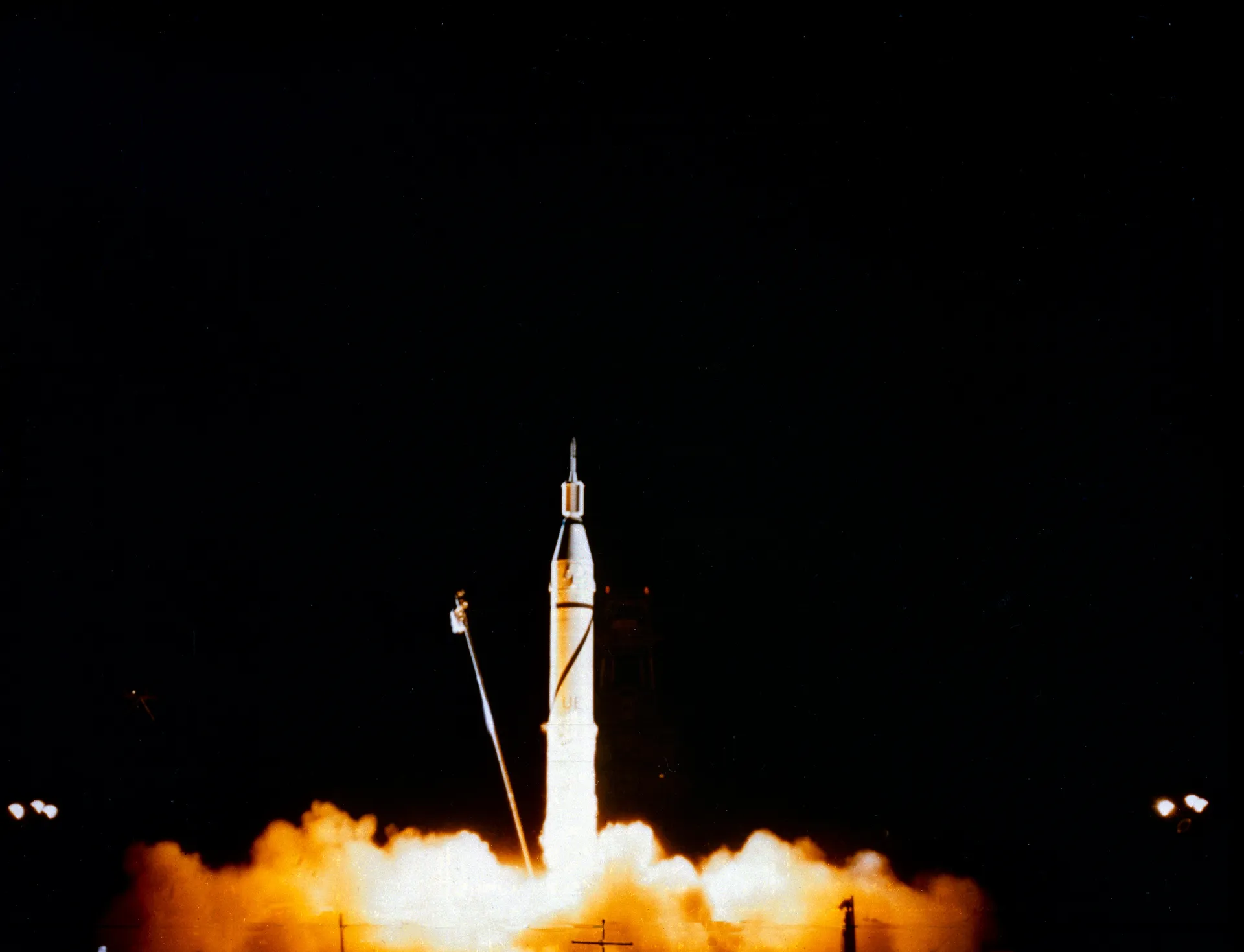
NASA opened on October 1, 1958, built around the National Advisory Committee for Aeronautics and its laboratories; by the end of that year it had also taken in parts of the Army’s and Navy’s rocket and satellite work and the Jet Propulsion Laboratory. Congress gave it $24.4 billion in regular appropriations for fiscal year 2026, about one-third of one percent of the $7.4 trillion the Congressional Budget Office projected the federal government would spend that year.
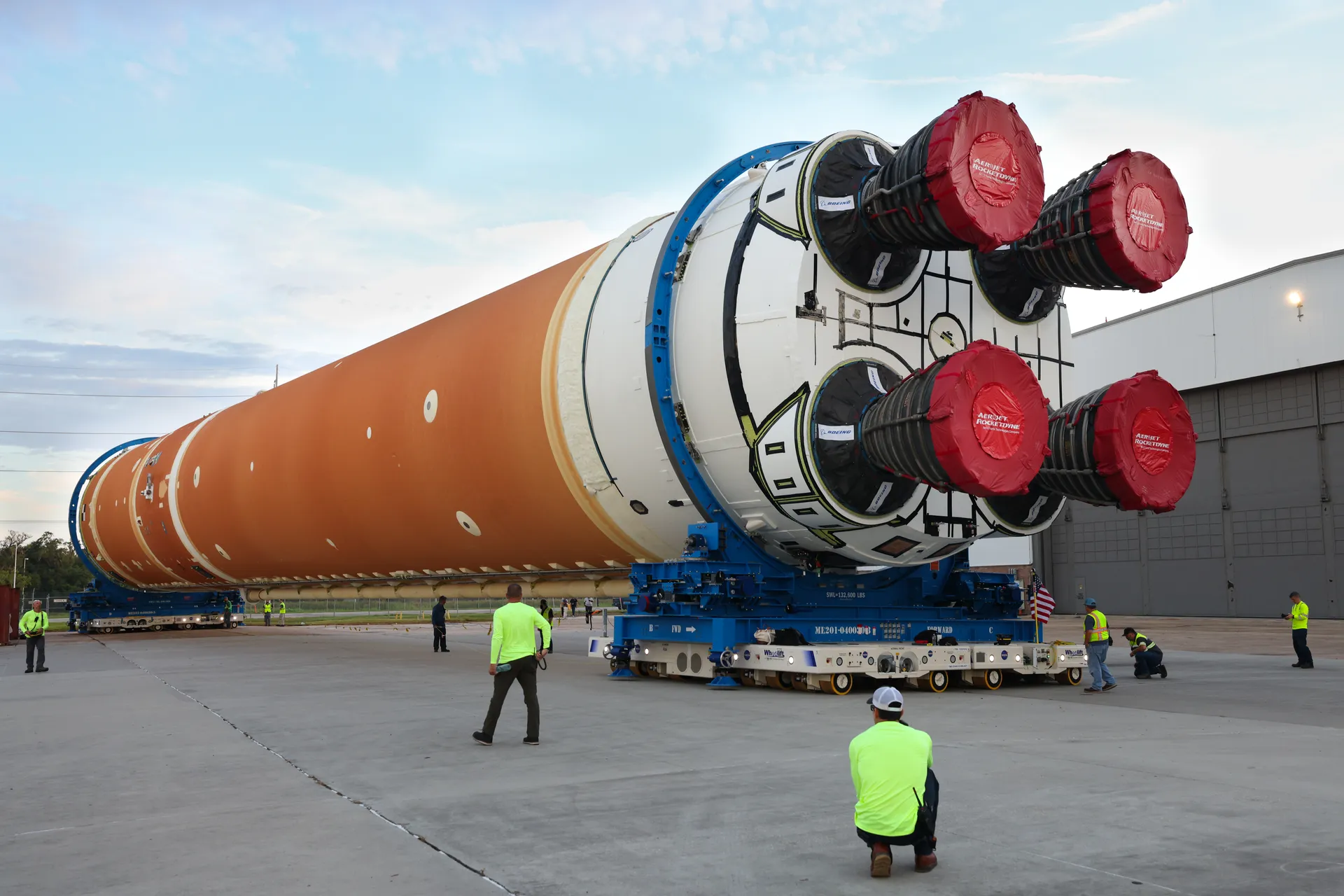
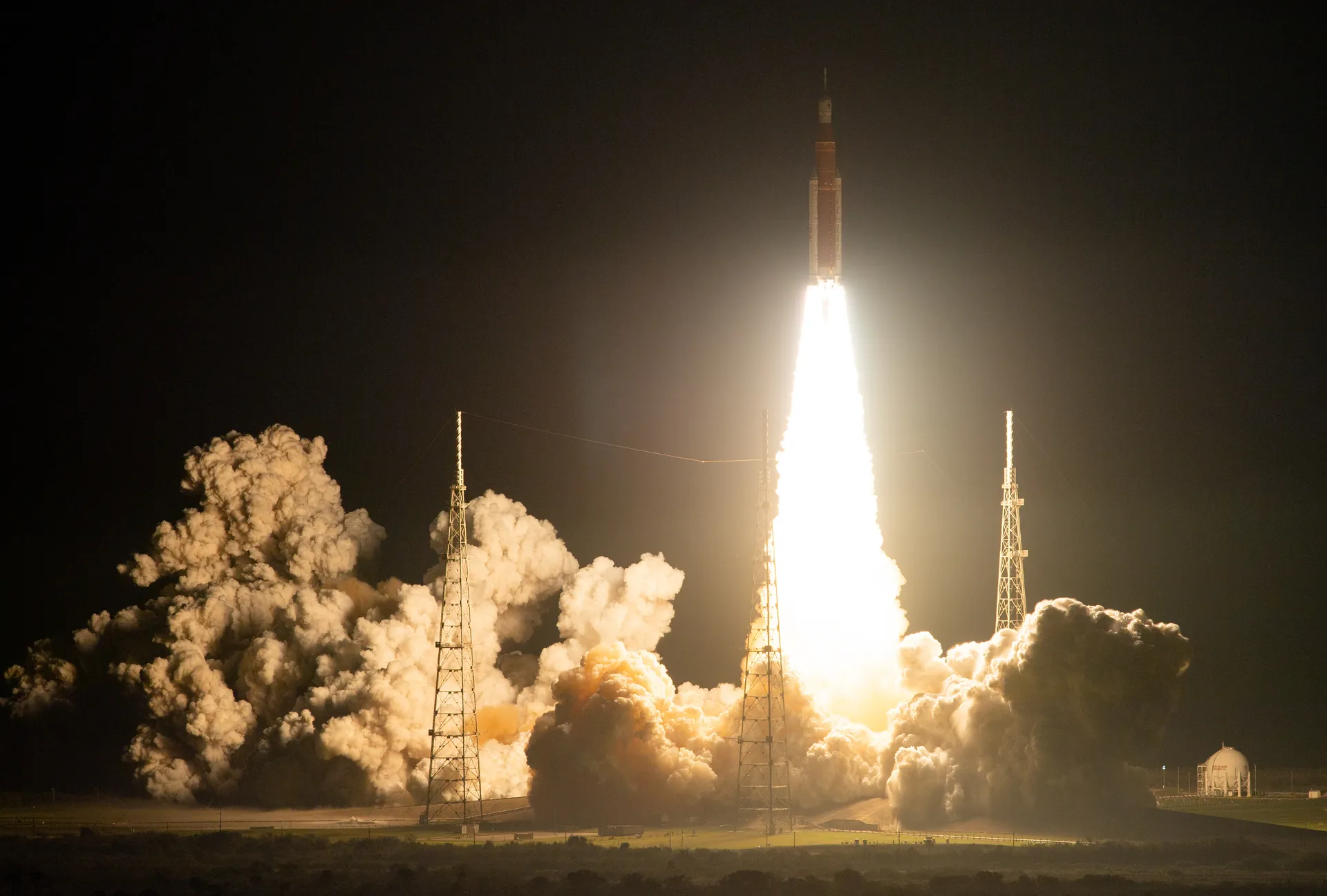
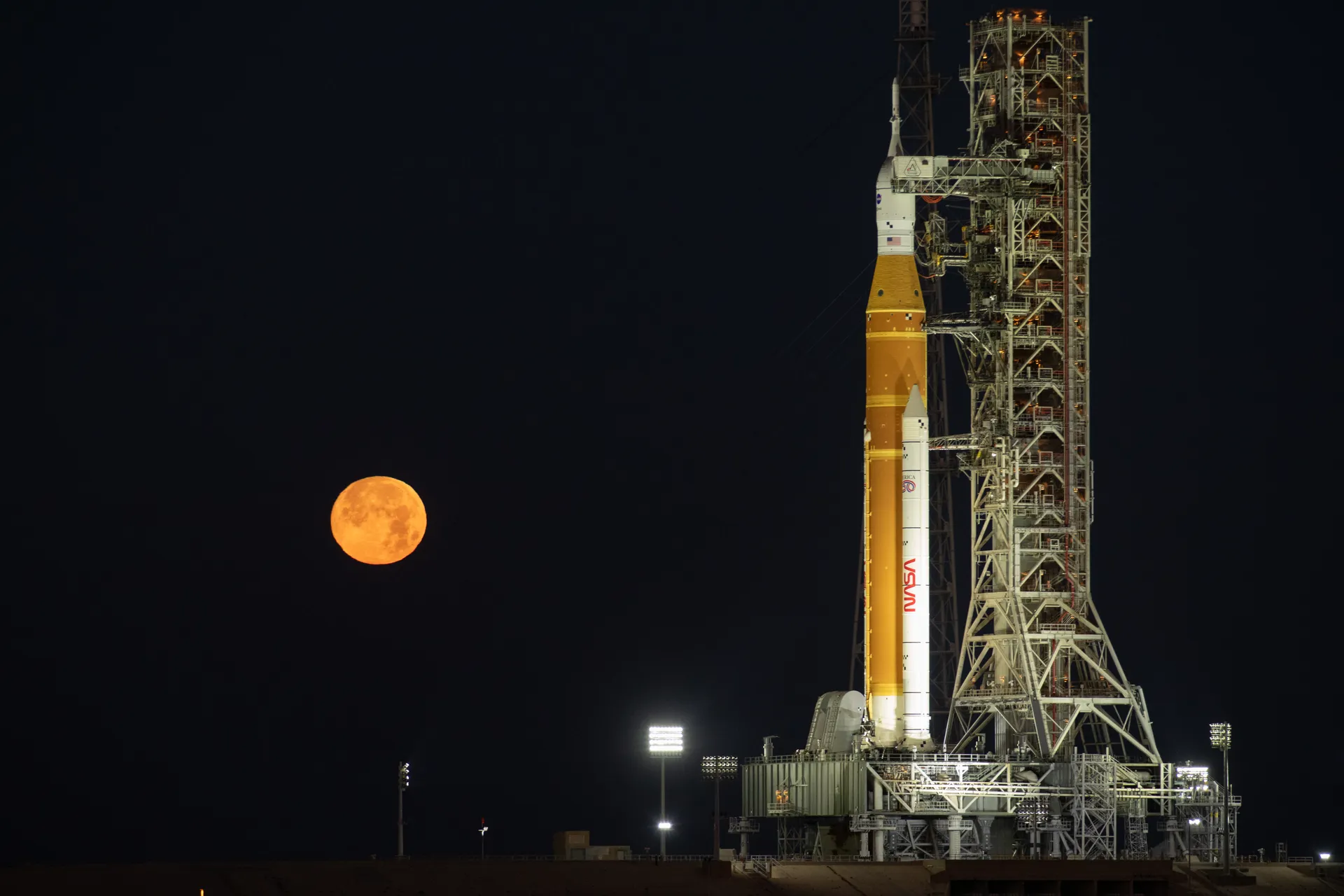
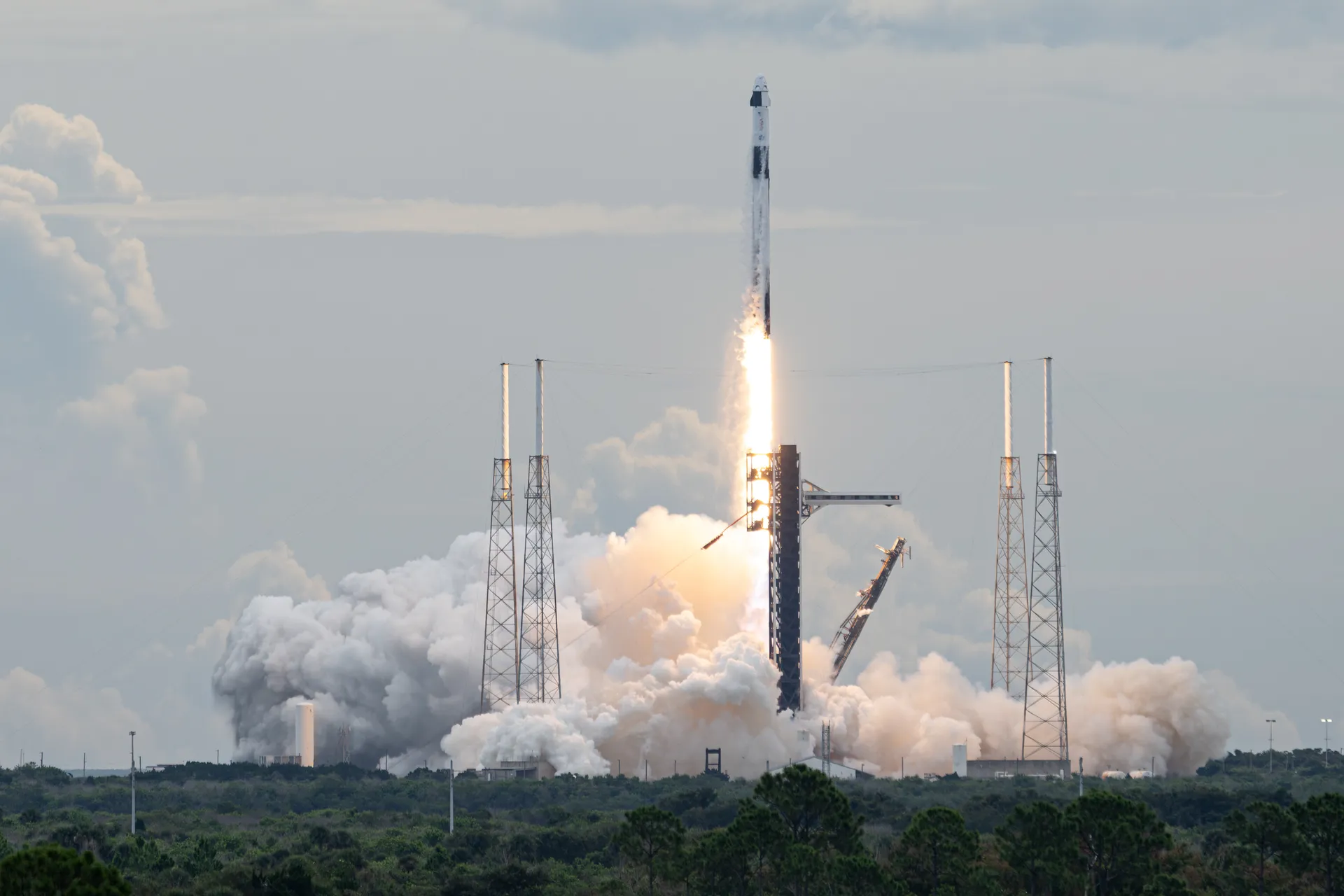
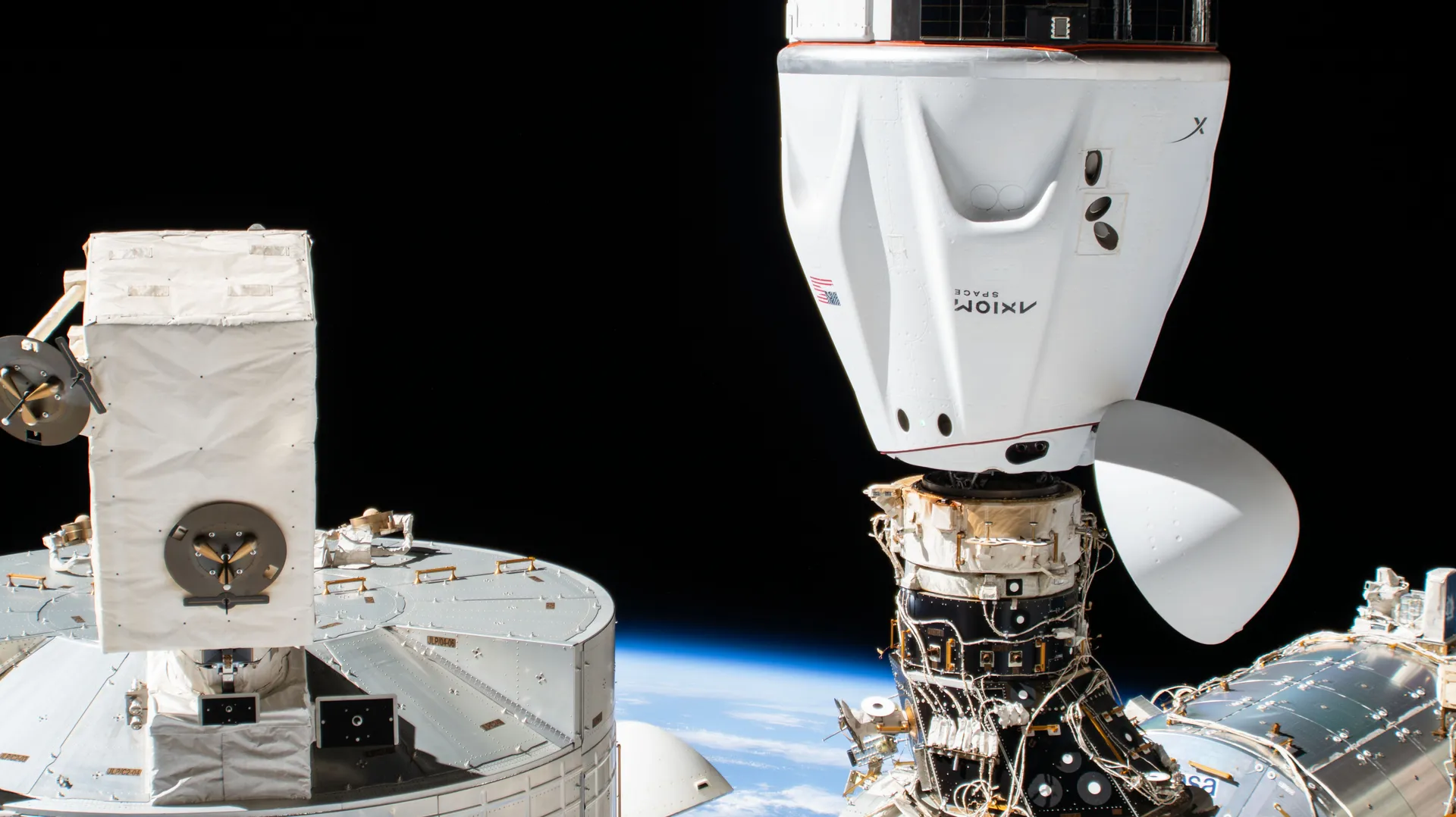
Most of that money leaves the agency as contracts. NASA owns some of what it flies, such as the Space Launch System and Orion, and buys other things as services: seats on Crew Dragon, cargo deliveries to the Space Station, landings on the Moon.
Its machines
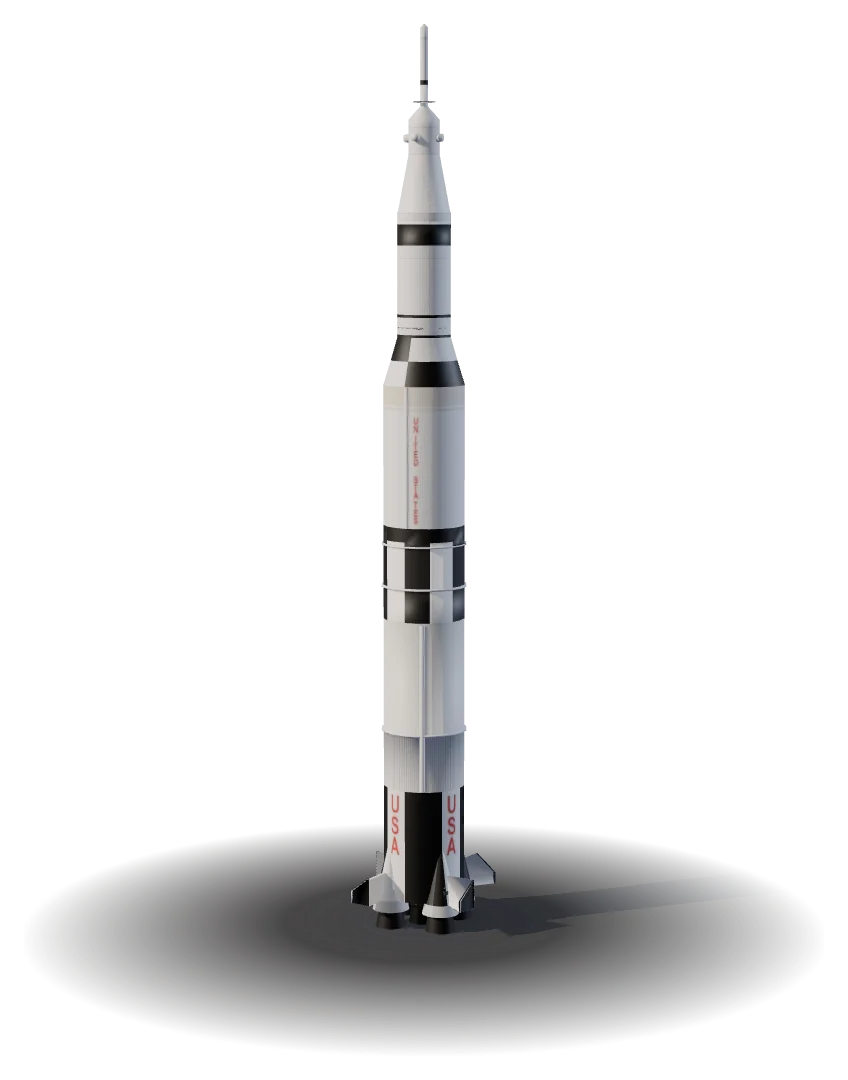
Saturn VBuilds part of it
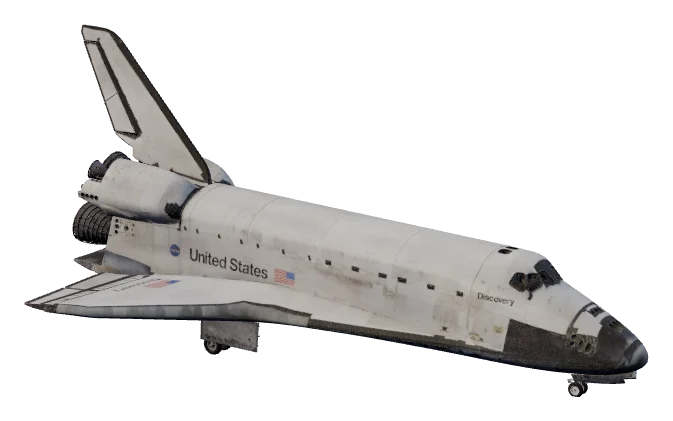
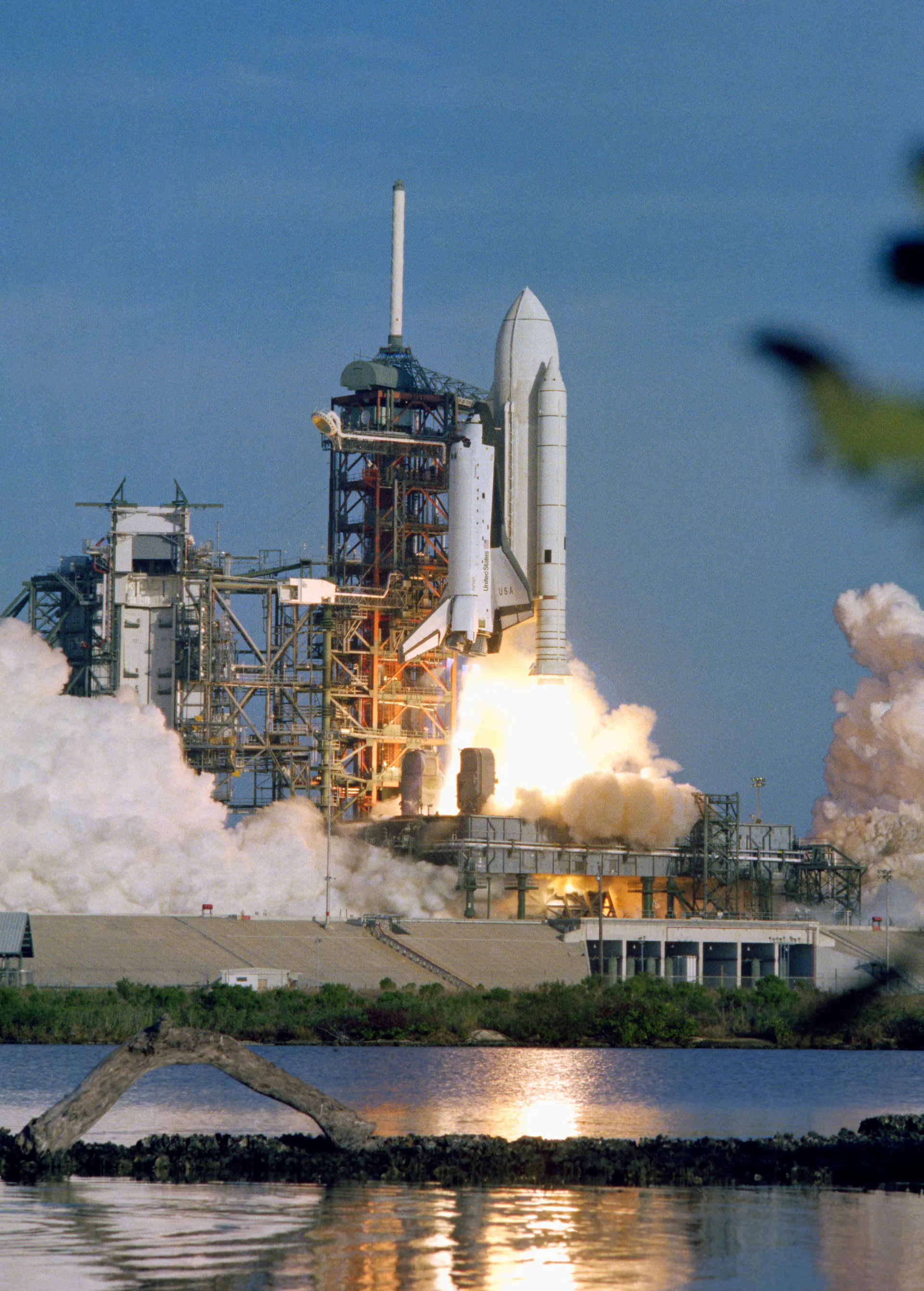
Space ShuttleBuilds part of it
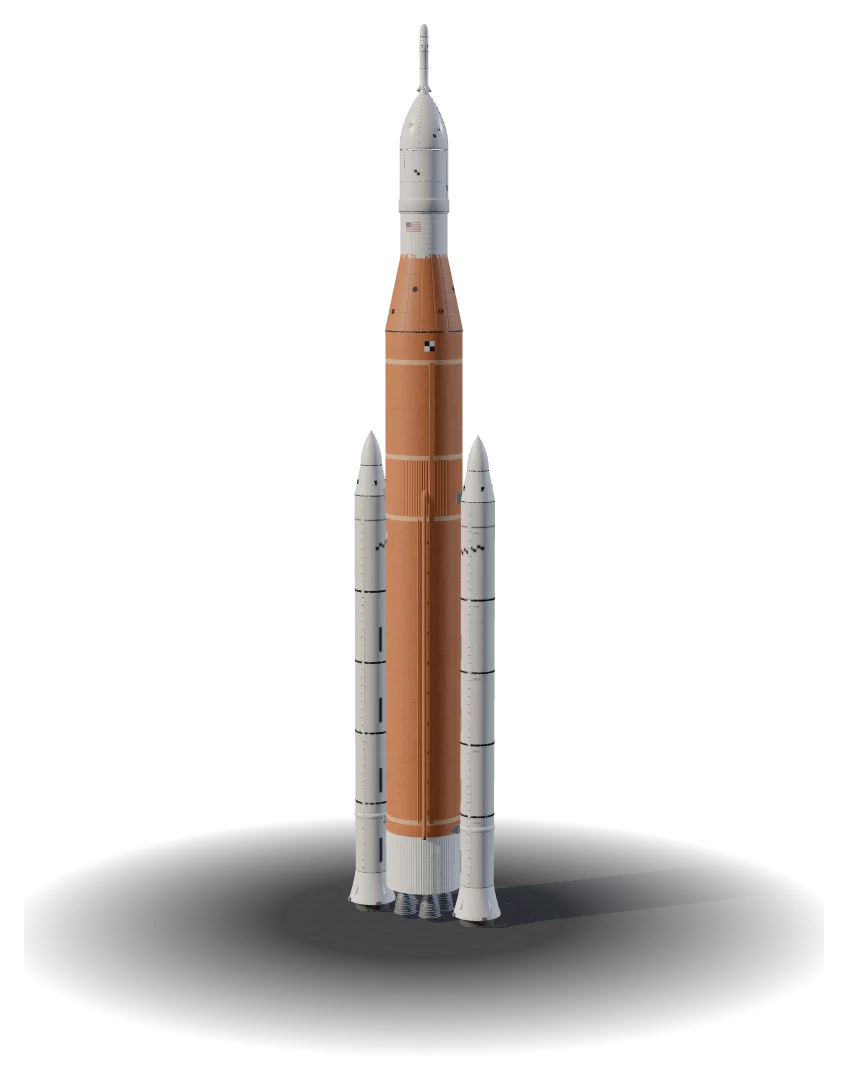
Space Launch SystemBuilds part of it
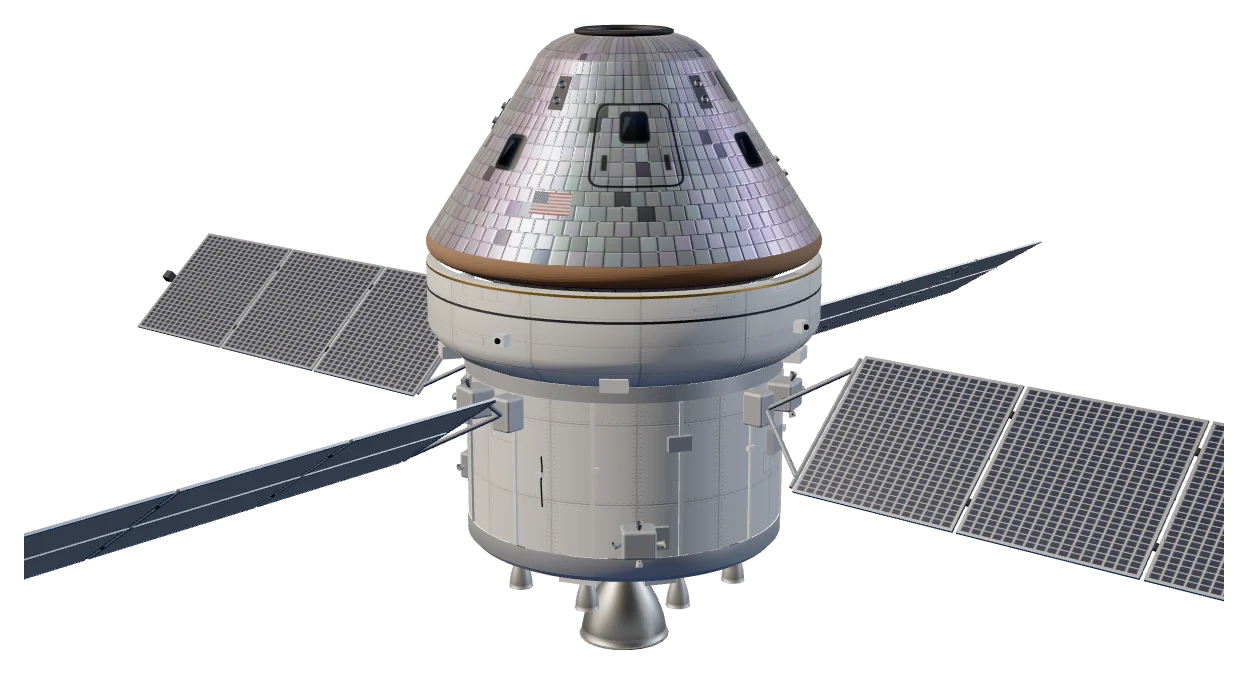
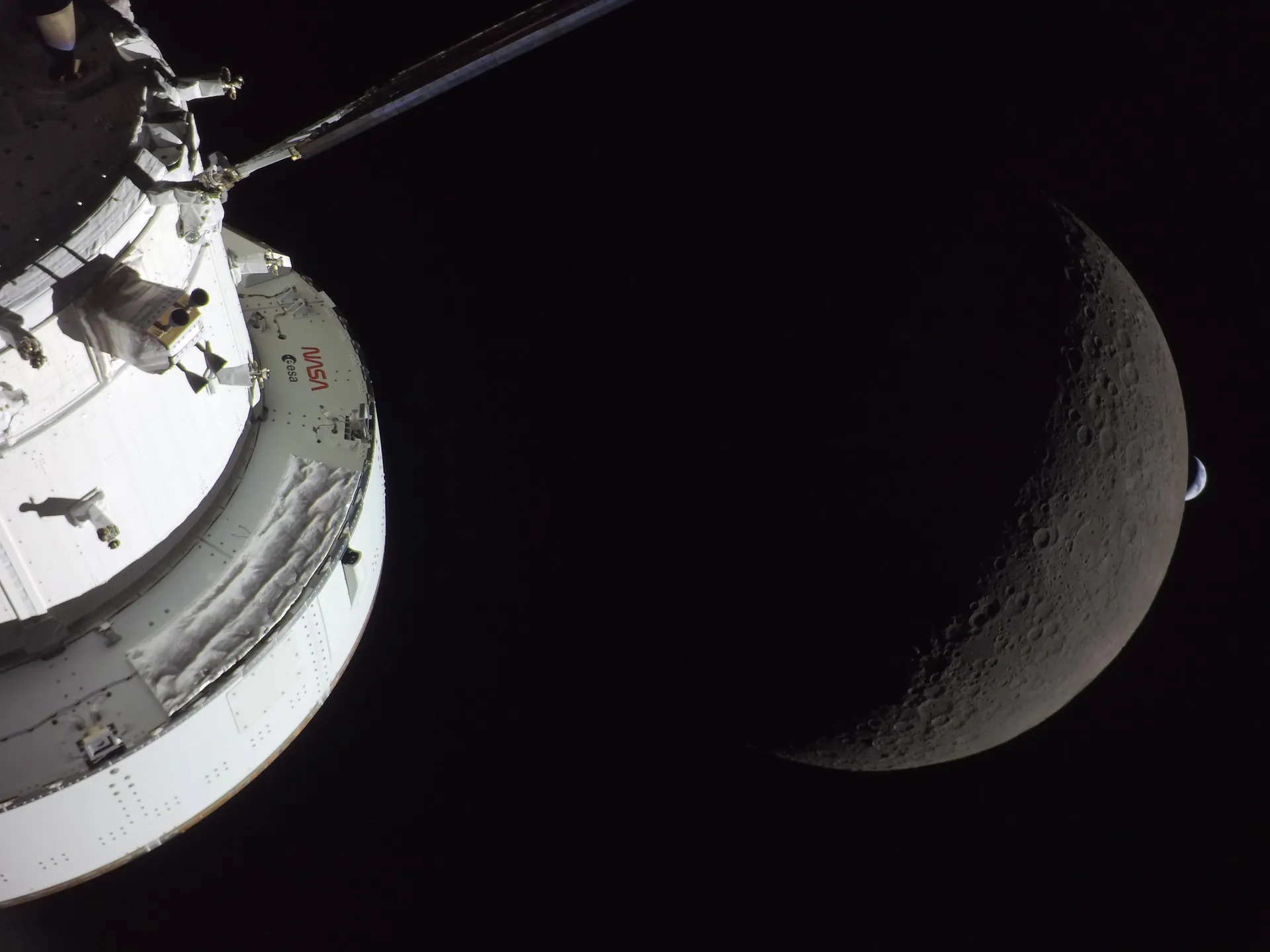
OrionBuilds part of it
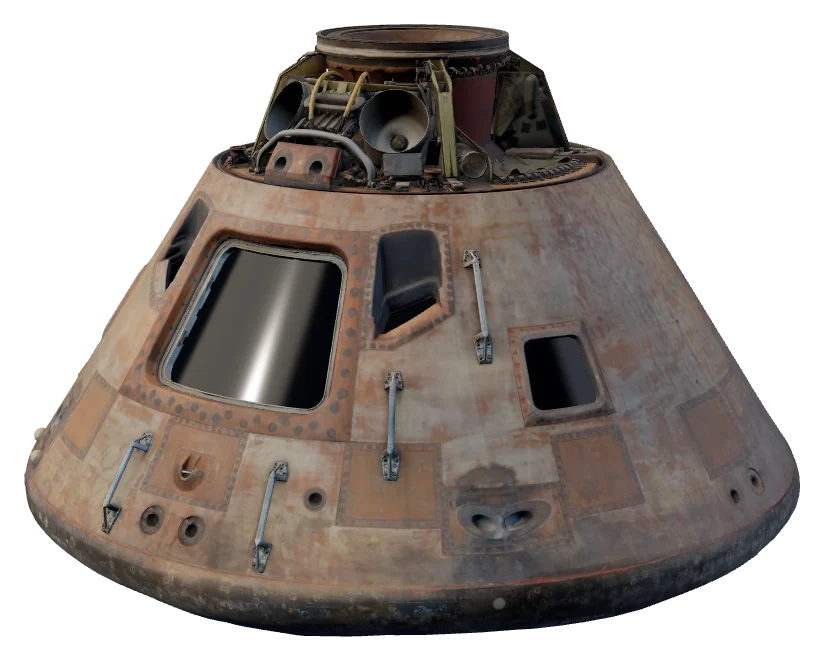
Apollo command modulePrime builder
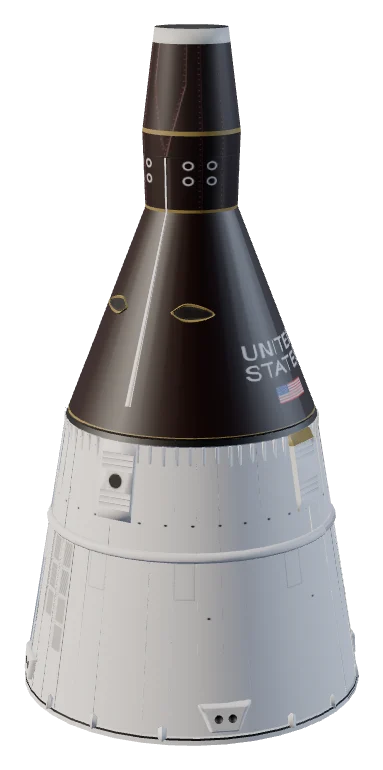
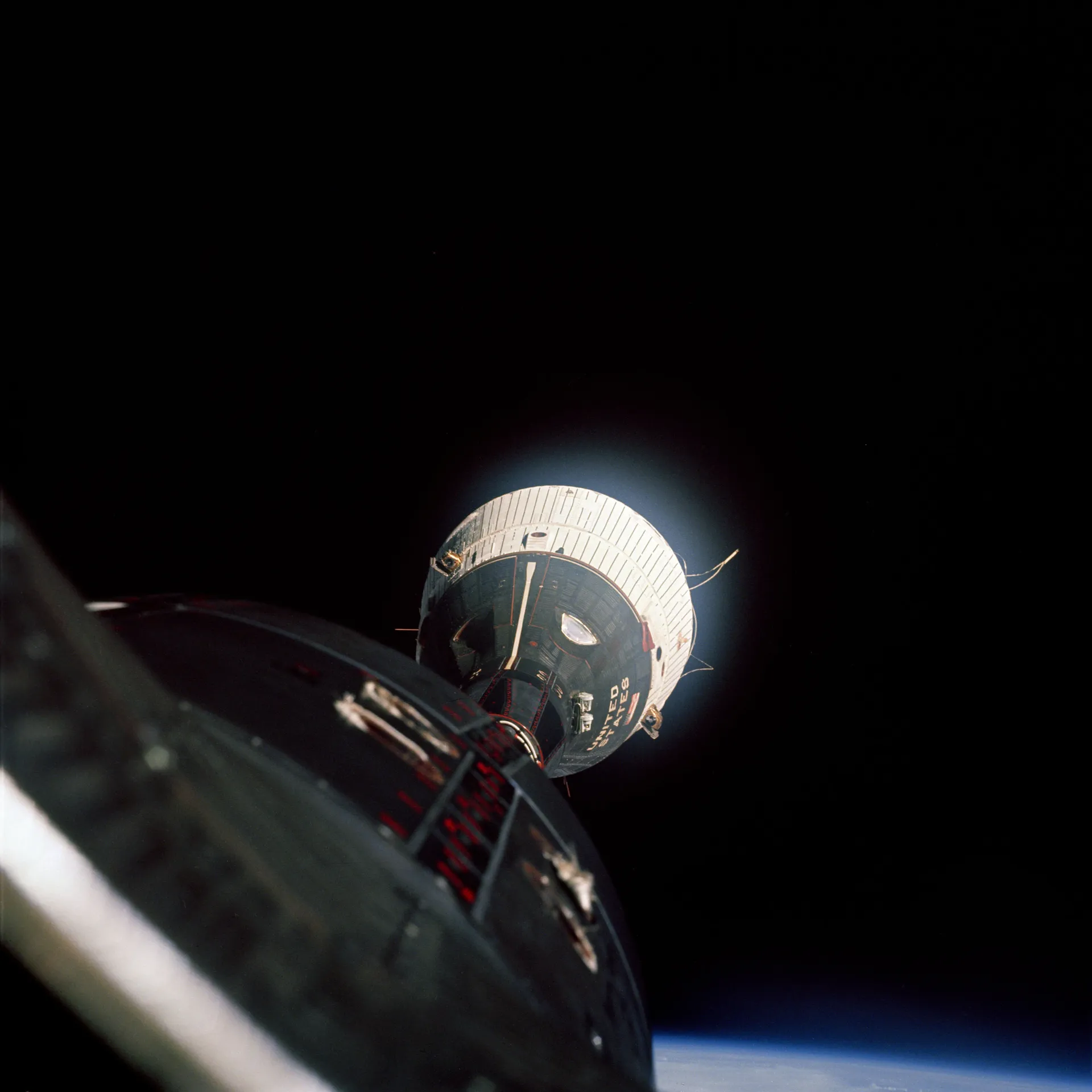
GeminiPrime builder
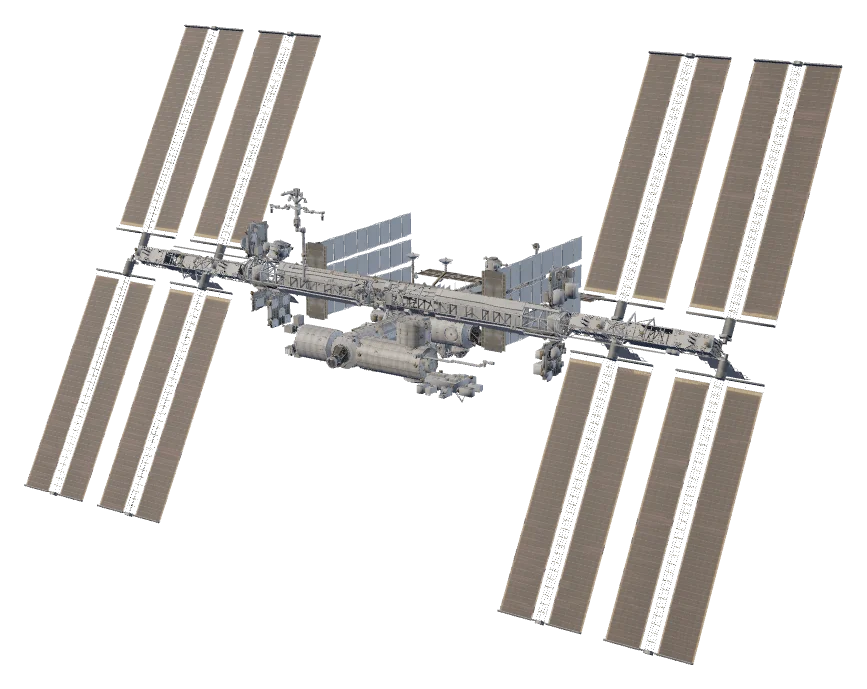
International Space StationPrime builder
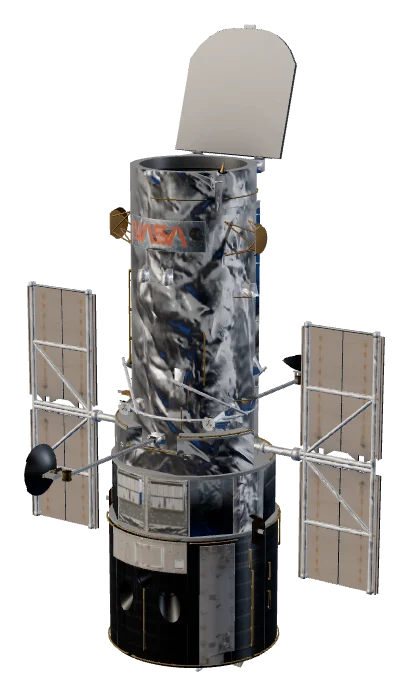
Hubble Space TelescopeBuilds part of it
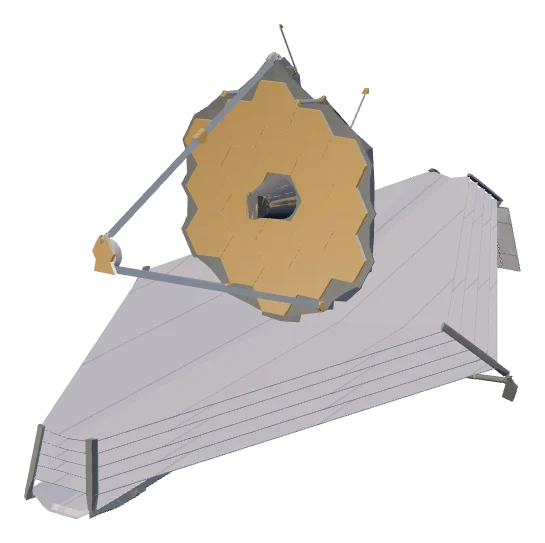
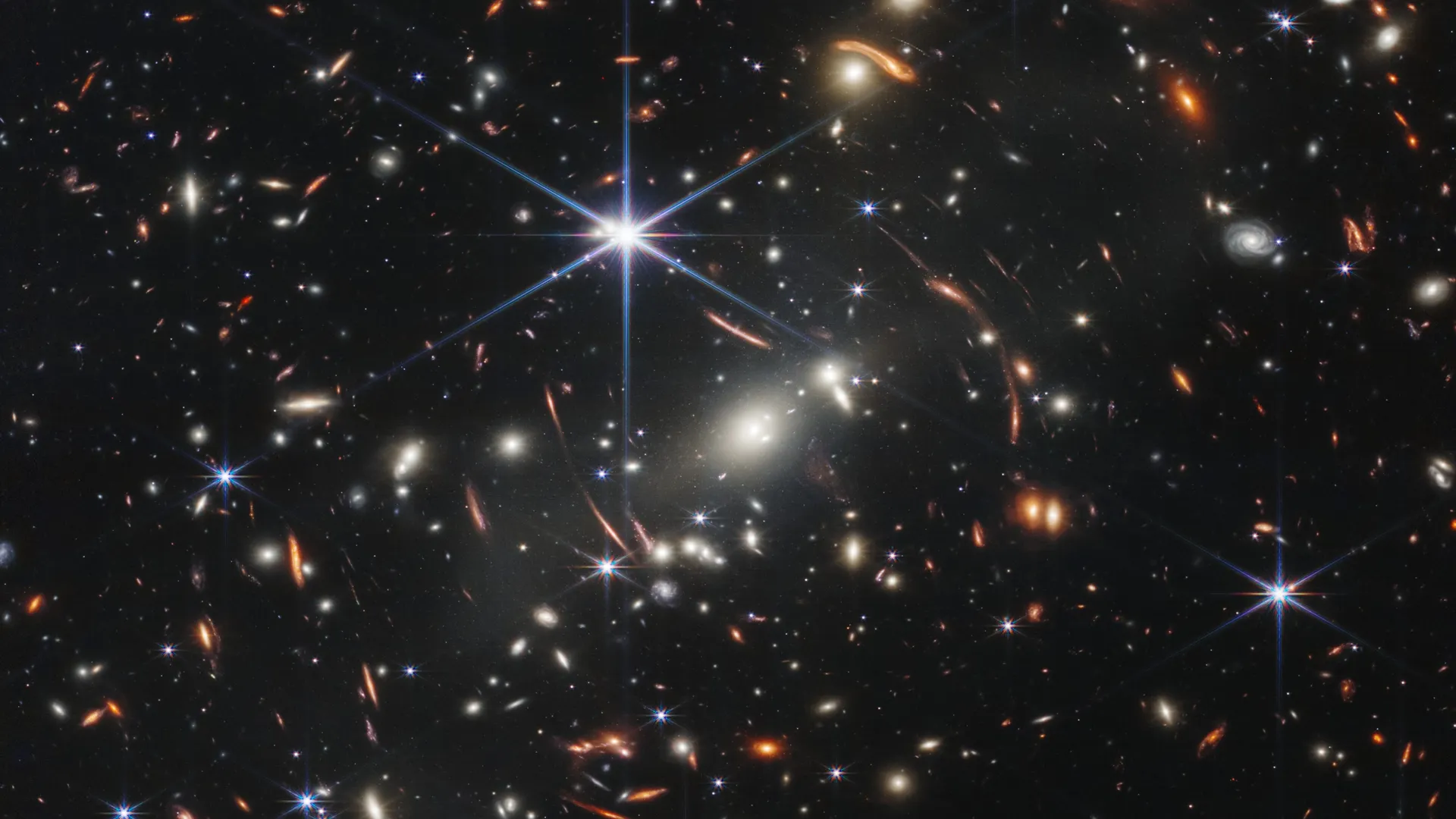
James Webb Space TelescopeBuilds part of it
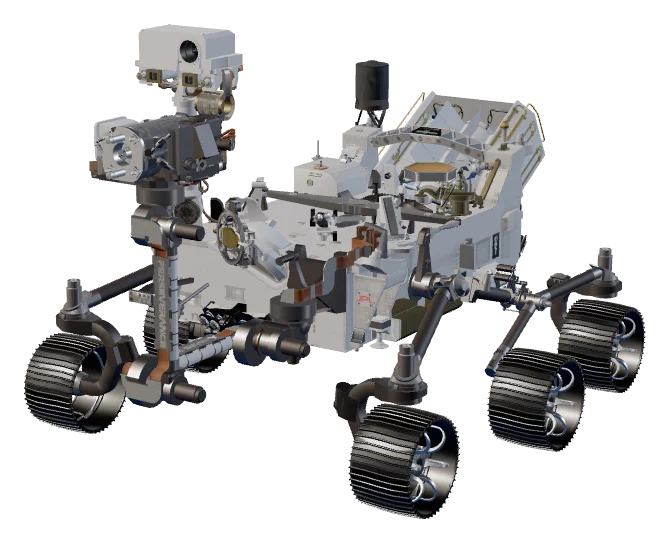
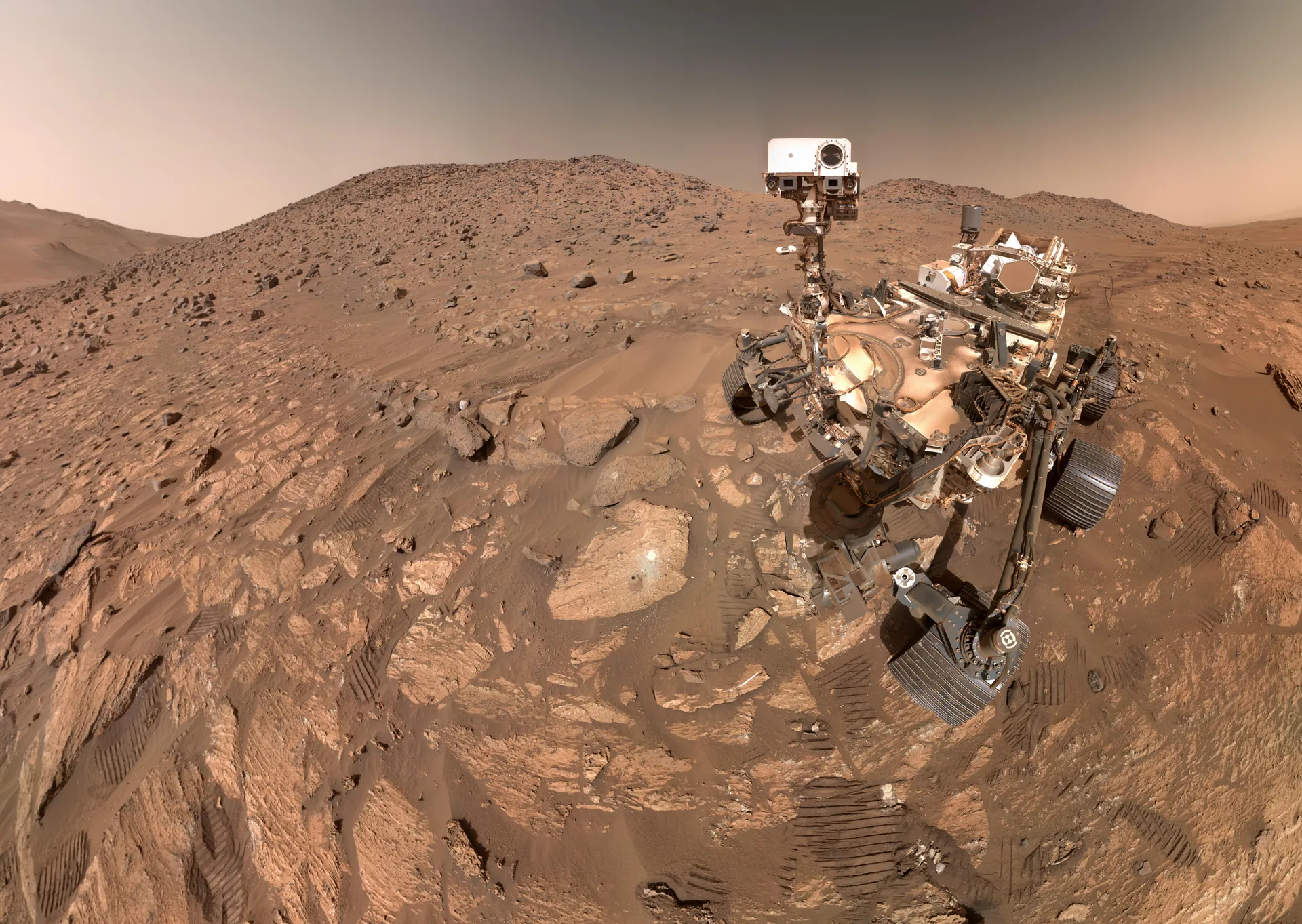
PerseverancePrime builder
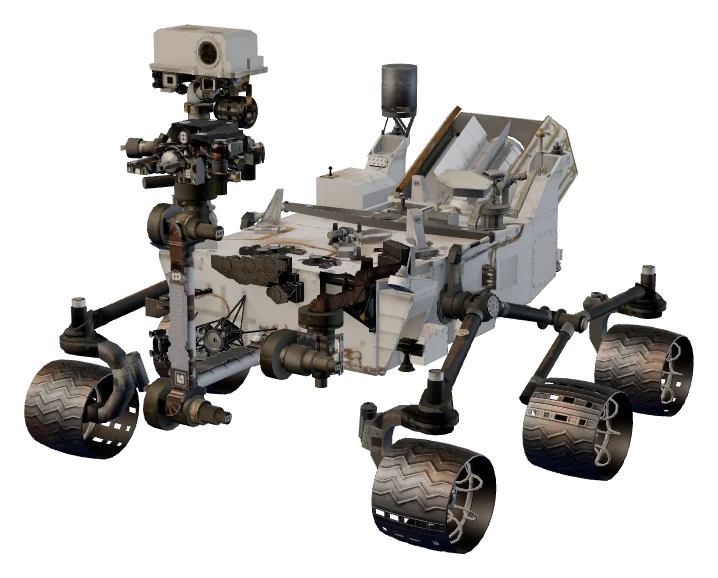
CuriosityPrime builder
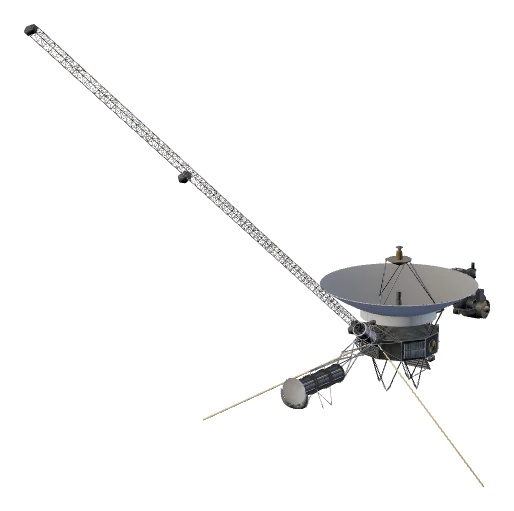
VoyagerPrime builder
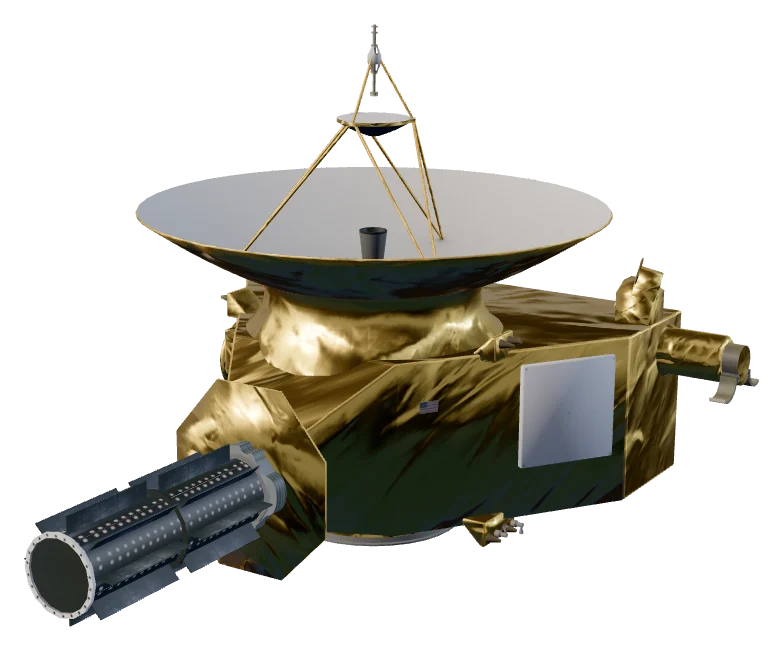
New HorizonsPrime builder
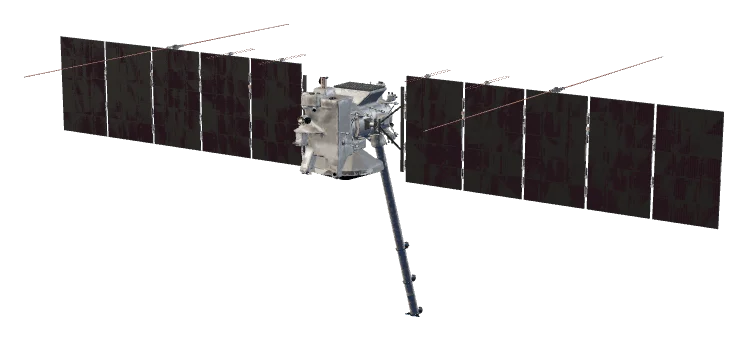
Europa ClipperPrime builder
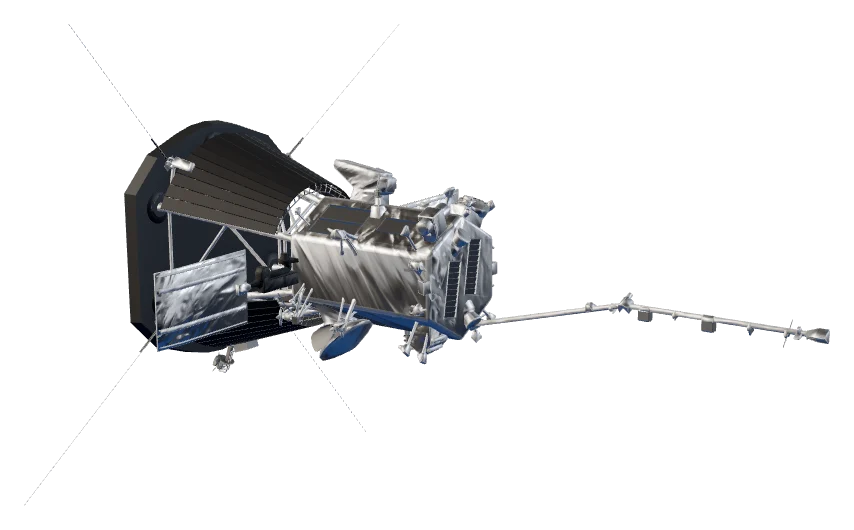
Parker Solar ProbePrime builder
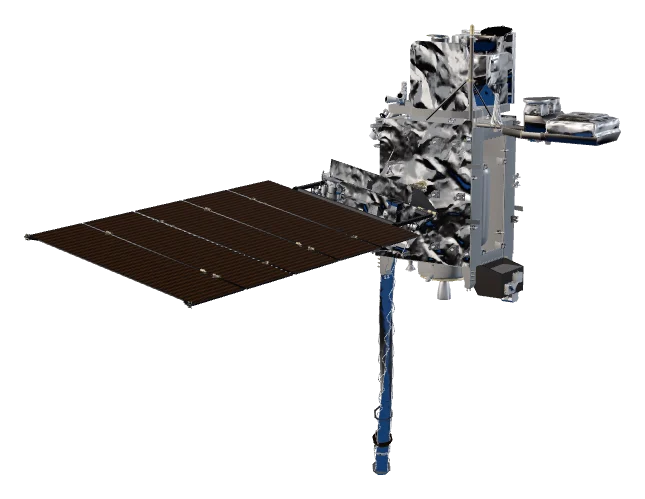
GOES-RBuilds part of it
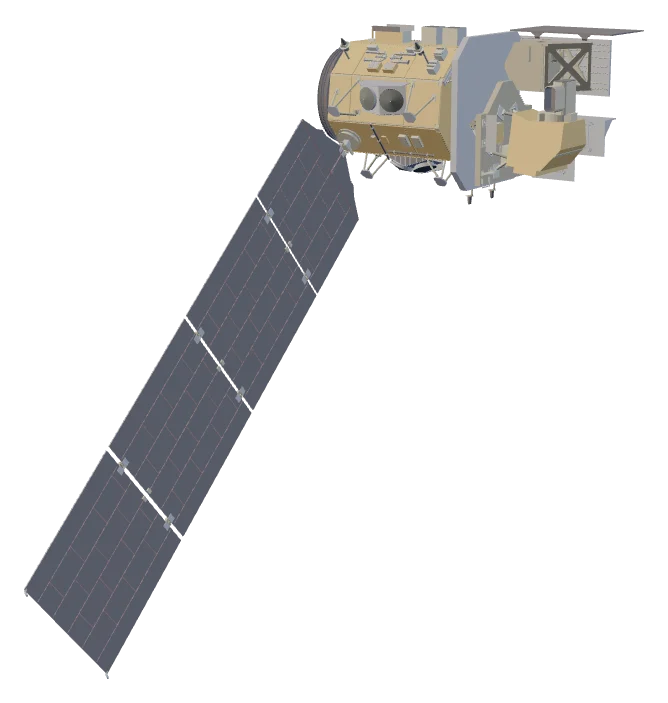
LandsatPrime builder
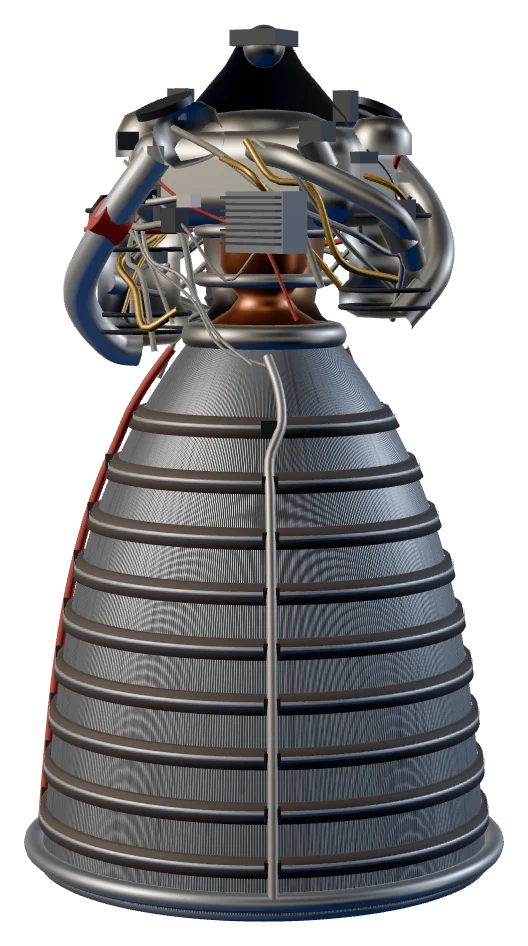
RS-25Builds part of it
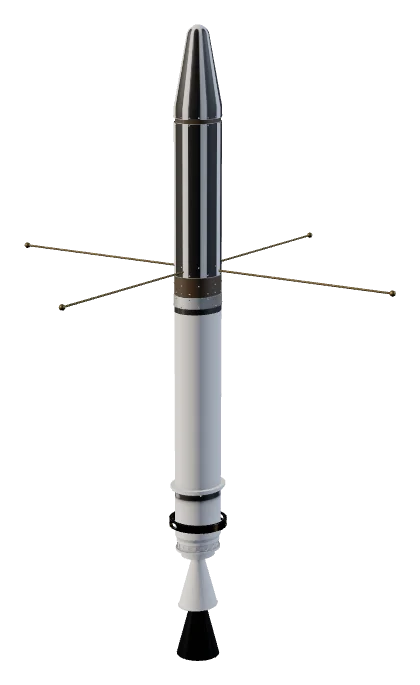
Explorer 1Prime builder
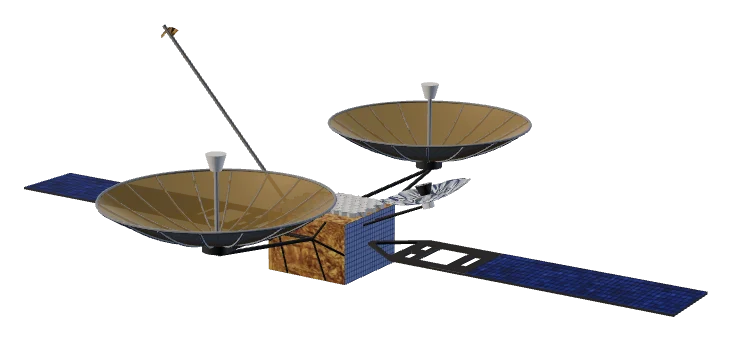
TDRSPrime builder
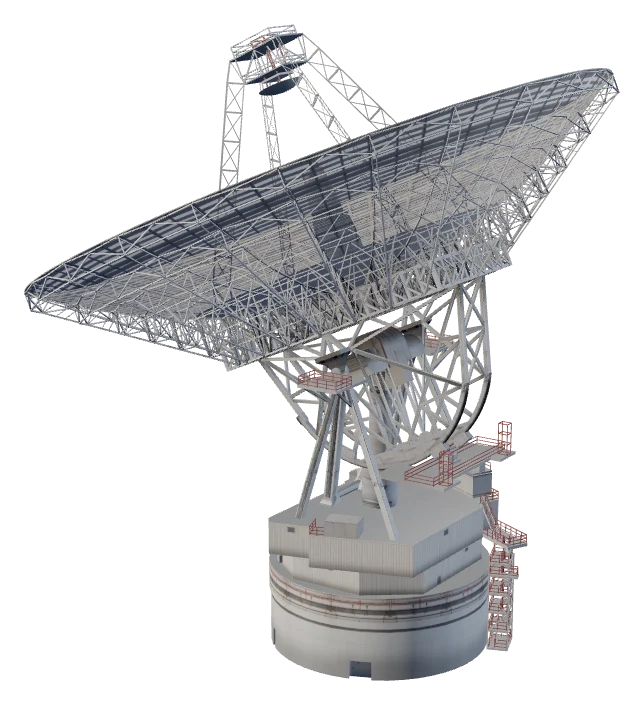
Deep Space Network antennaPrime builder
Stories that involve NASA
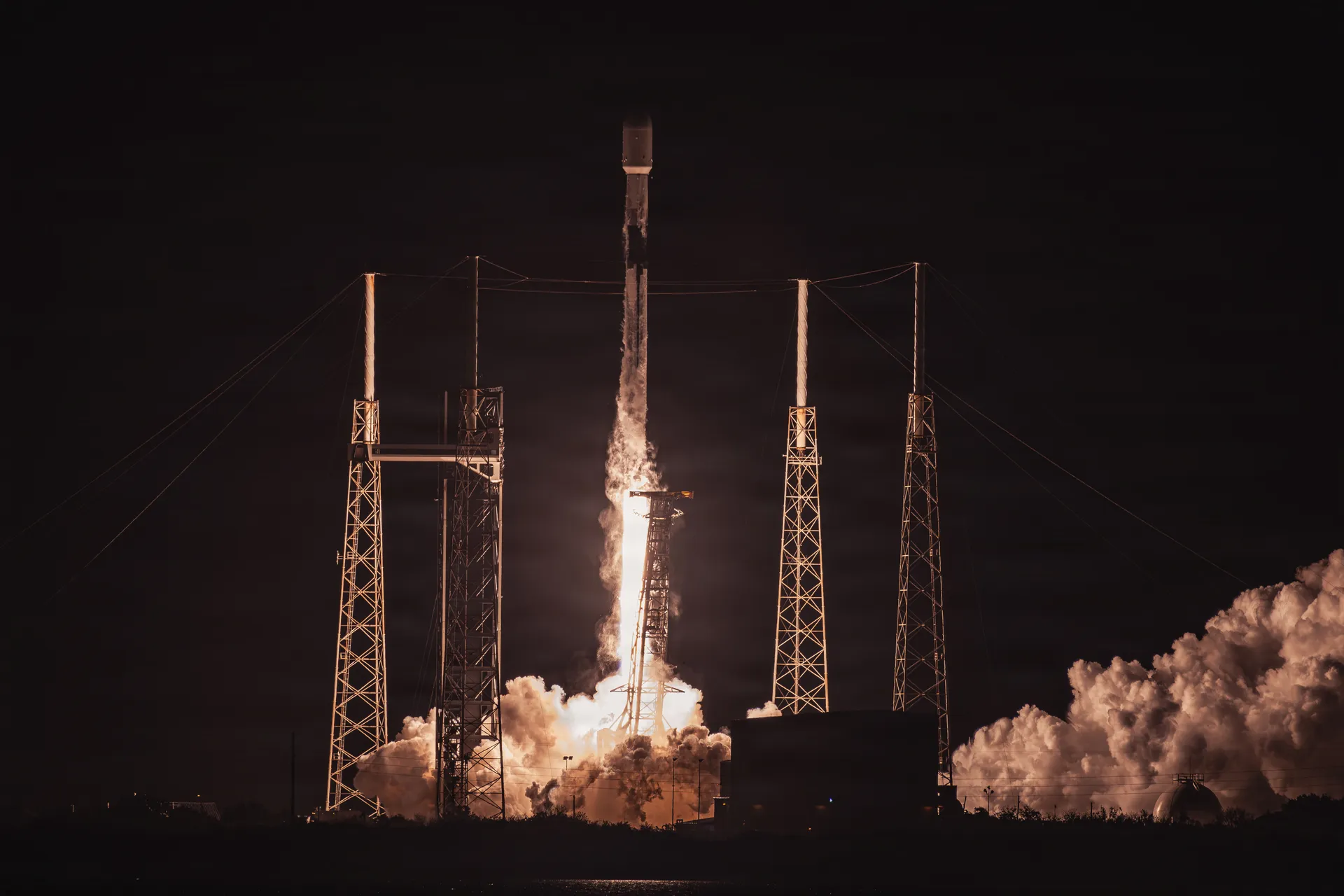
How GPS turns atomic time into position, and who keeps it runningA receiver finds itself by timing signals from four satellites. The Space Force runs the system, finished GPS III in April 2026, and canceled the ground system that was meant to replace the old one.
Landsat: 54 years of watching the land, and what comes after Landsat 9Since 1972 Landsat satellites have recorded Earth’s land, and since 2008 anyone can download the record free. NASA builds them and the USGS runs them; the next one has been redesigned, and its budget is in dispute.
Why the station, Landsat, GPS, GOES and Webb fly where they doHeight sets a satellite’s speed; tilt and shape set what it sees. Five neighborhoods, from the station about 400 km up to Webb 1.5 million km away, and the work each one makes possible.
NOAA’s weather satellites: how they watch storms, and what replaces themTwo GOES satellites stare at the Americas from 22,236 miles up while polar orbiters circle the globe. NASA builds them, NOAA flies them, and Congress is deciding how much of the next generation to pay for.
Who builds NASA’s spacecraft, and how the contracts pay themNASA has always spent most of its money outside its own walls. From Apollo’s 500 contractors to SpaceX and Blue Origin, the question that shapes every program is who carries the risk when costs grow.
28 more stories
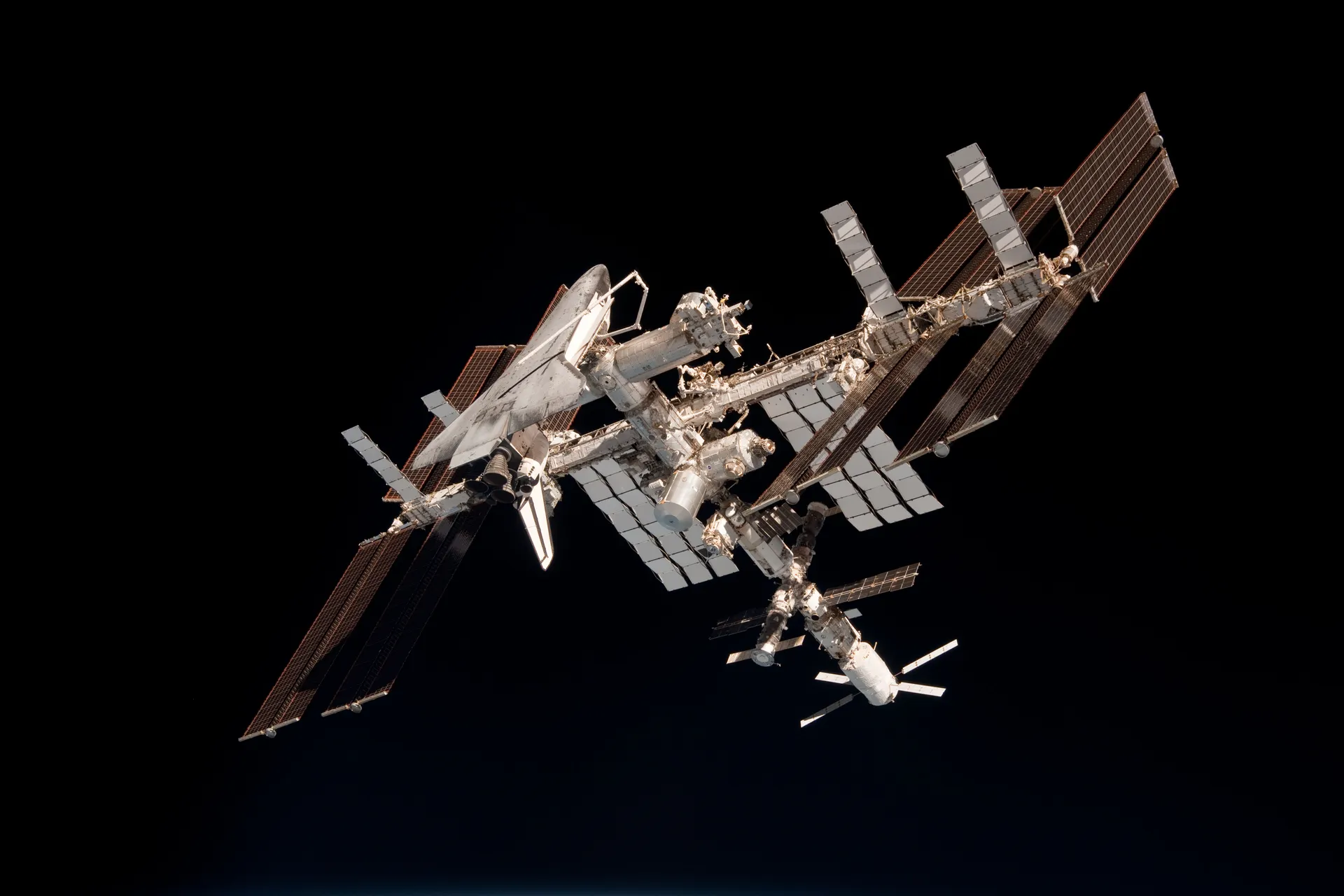
Control rooms and antennas: how NASA keeps in touch with its spacecraftEvery NASA mission depends on a control room and a chain of antennas. Built for Mercury in 1961, the networks now serve more than 100 missions, and the deep-space antennas are booked beyond their capacity.
NASA’s budget: from 4.4 percent of federal spending to 0.35 percentIn 1966 NASA spent 4.4 cents of every federal dollar; today about a third of a cent. Where its roughly $25 billion a year goes, how it is decided, and why Congress keeps rejecting an $18.8 billion request.
From a $278 million NASA cargo agreement to America’s workhorse rocketNASA paid for milestones, not a rocket of its own design. The result now flies half the world’s launches and every American crew to orbit.
Two new heavy rockets share one engine, and both were grounded in 2026Blue Origin’s BE-4 powers its own New Glenn and United Launch Alliance’s Vulcan. Both entered service in 2024–2025; by mid-2026 neither could fly, for different reasons.
Why reaching orbit is a problem of speed, and rockets are mostly propellantOrbit means moving sideways at about 17,500 mph. The rocket equation explains why that speed costs so much propellant, why rockets drop stages, and why a Moon lander must be refilled in orbit.
The Moon rocket Congress ordered from Shuttle parts in 2010Congress wrote SLS into law in 2010, with Shuttle engines and boosters and a 2016 goal. It first flew in 2022, at an estimated $4.1 billion a launch with Orion, and in 2026 NASA stopped upgrading it.
How America’s launch sites work, from the Cape to StarbaseFor decades most American rockets have left from one stretch of Florida coast, chosen in the late 1940s. The assembly building, crawlers and pads NASA built there for Apollo still set the pattern for how the biggest rockets fly.
Starship reached orbit on its 14th flight; refilling in orbit comes nextSpaceX built the largest rocket ever flown by launching prototypes and fixing what broke. NASA’s Moon landings depend on the step it has not yet taken: moving propellant between ships.
Artemis II: the first crewed flight around the Moon since 1972From April 1 to 10, 2026, four astronauts flew Orion around the far side of the Moon and farther from Earth than anyone before them. What the flight tested, day by day, and what NASA found afterward.
Artemis: how NASA’s plan to land on the Moon was built and rebuiltA rocket, a capsule, two commercial landers, new suits and propellant refilled in orbit: who builds each piece, what it costs, and how a 2024 landing became Artemis IV in 2028.
Blue Moon: NASA’s second crew lander and the cargo lander that goes firstIn May 2023 NASA awarded Blue Origin a $3.4 billion contract for a second way to land astronauts. The smaller robotic Blue Moon, Mark 1, is built and tested, and is waiting for New Glenn to fly again.
NASA’s robotic Moon deliveries: four attempts, one lander uprightSince 2018 NASA has bought rides to the Moon for its instruments instead of building landers. Of four attempts so far, one landed upright. A $6 billion second round is meant to supply a Moon Base.
Gateway: a station for lunar orbit, paused while its first modules were being builtA small international station that was to circle the Moon once a week. Its power module was nearly built when NASA paused it in March 2026; the hardware is being turned to a nuclear Mars spacecraft and Moon Base tests.
Orion: the capsule built to bring a crew home from the MoonLockheed Martin builds the capsule, Europe builds the module that keeps it alive, and its heat shield must survive a return at nearly 25,000 mph. How Orion was developed, how it works, and what its first crewed flight showed.
Refilling in orbit, the untested step both Moon landers depend onBoth of NASA’s crew landers reach the Moon only after tankers refill them in Earth orbit. Why that is, how the transfer is meant to work, why super-cold propellant fights back, and where the first test stands.
How SpaceX won NASA’s first Moon lander, and what it must still proveIn 2021 NASA chose a version of Starship, refueled in Earth orbit by a fleet of tankers, to land its astronauts. The contract is now worth about $4.5 billion; the refueling has not yet flown.
Commercial crew: $9.8 billion, one certified spacecraft, one still in testingHow NASA stopped owning its crew vehicles and started buying rides, why SpaceX’s Dragon has flown every rotation since 2020, and what still stands between Boeing’s Starliner and its first crew.
After the ISS: NASA’s plan to rent space on commercial stationsSince 2020 NASA has paid companies to design stations it could rent after 2030. In 2025 and 2026 the plan changed three times, the money stayed short, and GAO warned of a gap in U.S. crew presence.
Built in orbit over thirteen years, occupied without a break since 2000How five space agencies assembled the largest structure ever flown, what it has cost the United States, why its oldest Russian tunnel leaks, and how NASA plans to bring it down after 2030.
How seven people sleep, eat, exercise and work aboard the space stationTwenty-five years of continuous occupation have given the station a daily routine: private sleep stations, a pantry without a refrigerator, two and a half hours of exercise, recycled water, spacewalks and experiments on the crew.
Apollo spent $25.4 billion to put twelve people on the MoonKennedy’s 1961 goal became a program of 400,000 people and more than 500 contractors. It chose a risky route to the Moon, survived a fire on the pad, and landed six crews before Congress ended it.
How Sputnik turned an aeronautics committee into NASAIn the year after Sputnik, Congress and President Eisenhower built a civilian space agency on the NACA’s laboratories, then gave it a Navy satellite, an Army rocket team and, by 1961, the Moon.
Sixteen crewed flights that taught NASA how to work in orbitMercury’s six flights showed a person could ride to orbit and come home. Gemini’s ten taught maneuvering, rendezvous, docking, spacewalks and two-week flights—at about double the first estimate.
Promised as routine transport, the Shuttle flew 135 times in 30 yearsNixon approved a $5.5 billion reusable spaceplane in 1972 to make spaceflight routine and cheap. It repaired Hubble and built a space station, lost two crews, and never flew more than nine times in a year.
Hubble, Webb and Roman: three telescopes, and why none replaces anotherA 1990 telescope that astronauts rebuilt five times, a $9.7 billion infrared observatory a million miles out, and a survey telescope launched in August 2026: what each one sees, what each cost, and why NASA flies them together.
Mars: two rovers, a helicopter and samples with no ride homeCuriosity has climbed a kilometer up Mount Sharp; Perseverance has used 33 of its 43 sample tubes, one holding a potential biosignature. The $8–11 billion mission to bring them home was shut down in January 2026.
Voyager to Dragonfly: fifty years of flying to the outer solar systemTwo 1977 probes beyond the Sun’s bubble, New Horizons past Pluto, Juno at Jupiter, Europa Clipper en route and a rotorcraft being built for Titan: what each found or seeks, what each cost, where each stands in October 2026.
Parker Solar Probe and the Sun’s weather: flying through a star’s atmosphereA probe conceived in 1958 now passes 3.8 million miles from the Sun every three months: what it is learning about the solar wind, how solar storms reach power grids and satellites, and what a proposed 52 percent cut would mean.
Sources
- NASA’s Fiscal Year 2027 Budget Request (summary; includes FY2026 enacted levels) NASA, April 2026
- The Budget and Economic Outlook: 2026 to 2036 Congressional Budget Office, February 2026
- 65 Years Ago: NASA Begins Operations NASA, October 2, 2023
- Centers and Facilities NASA
- Fiscal Year 2019 Annual Procurement Report NASA