Voyager
Twin probes launched in 1977, now in interstellar space.
- Type
- Probe
- Status
- Operating
- First flight
- August 20, 1977
- Size
- 3.7 m (12 ft)
- Built by
- NASA
- $865M
- cost of both missions through the 1989 Neptune flyby
- 48
- moons of the four giant planets explored
- 7 of 10
- instruments on each spacecraft shut off, as of April 2026
- Nov 18, 2026
- Voyager 1 reaches one light-day from Earth
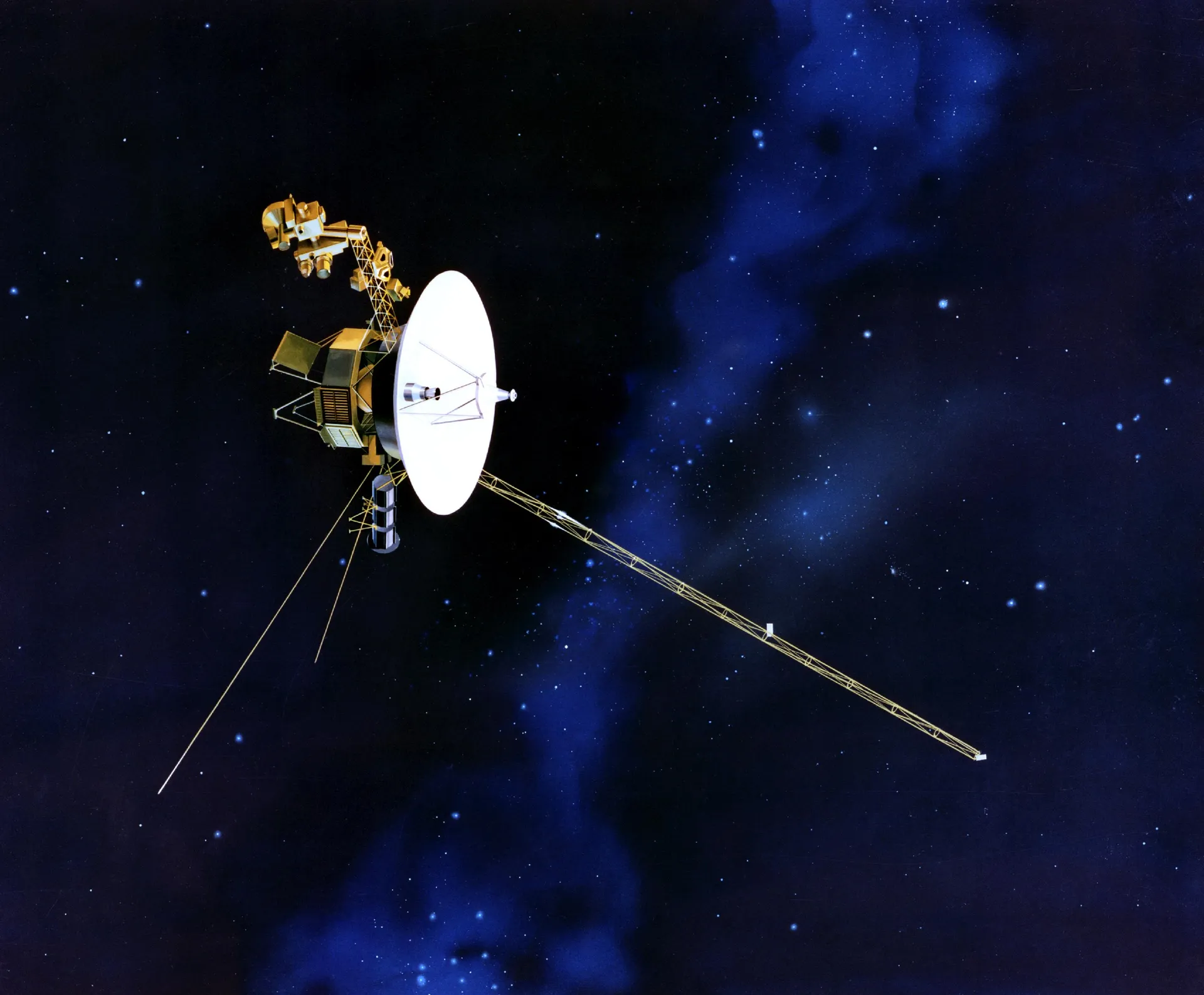
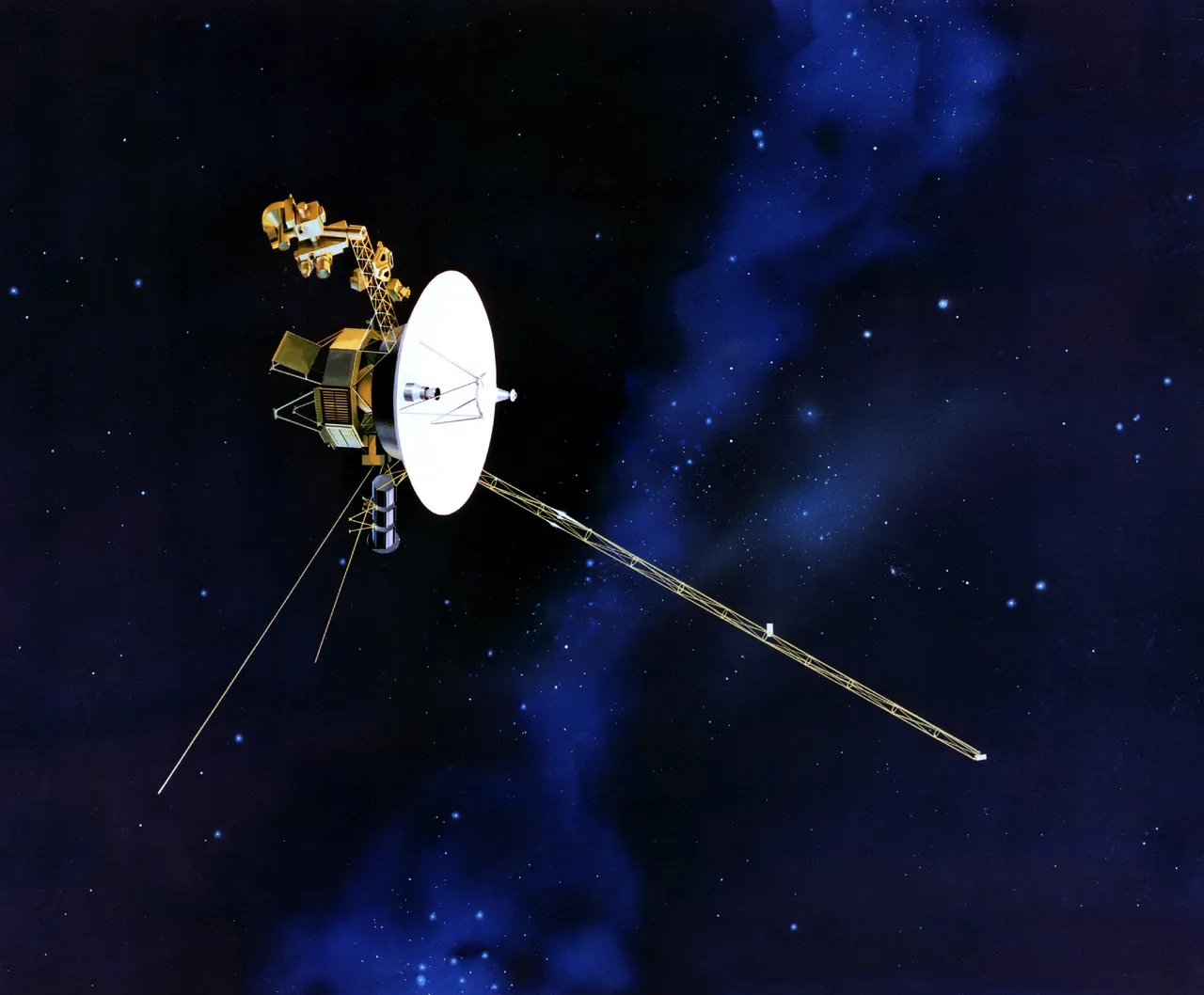
Voyager 1 and Voyager 2 launched from Cape Canaveral in August and September 1977 to take advantage of a rare alignment of the outer planets. Funded to study Jupiter and Saturn and built to last five years, they used gravity assists to go further: Voyager 2 went on to Uranus in 1986 and Neptune in 1989, and between them the two explored all four giant planets and 48 of their moons. The missions cost $865 million through the Neptune encounter.
Voyager 1 crossed into interstellar space on August 25, 2012, and Voyager 2 in 2018; they are the only spacecraft ever to operate outside the heliosphere. Both are powered by radioisotope thermoelectric generators that lose about 4 watts a year. Of the 10 instruments each spacecraft carries, seven have been shut off, most recently Voyager 1’s Low-energy Charged Particles experiment on April 17, 2026.
In 2026 a power-saving reconfiguration nicknamed “the Big Bang” kept Voyager 2’s three remaining instruments running for at least another year; the same change is planned for Voyager 1. On November 18, 2026, Voyager 1 is due to become the first human-made object one light-day—about 16.1 billion miles—from Earth.