Raptor
SpaceX’s full-flow staged-combustion methane engine, 33 of which power Super Heavy.
- Status
- In development
- First flown
- 2019
- July 25
- Size
- 2.9 m
- 10 ft
- Diameter
- 1.3 m
- 4 ft
- Built by
- SpaceX
- 39
- Raptors on each Starship launch: 33 on the booster, six on the ship
- May 22, 2026
- Raptor 3’s first flight, Starship Flight 12
- Sept 28, 2026
- first orbital flight on Raptor power, Starship Flight 14
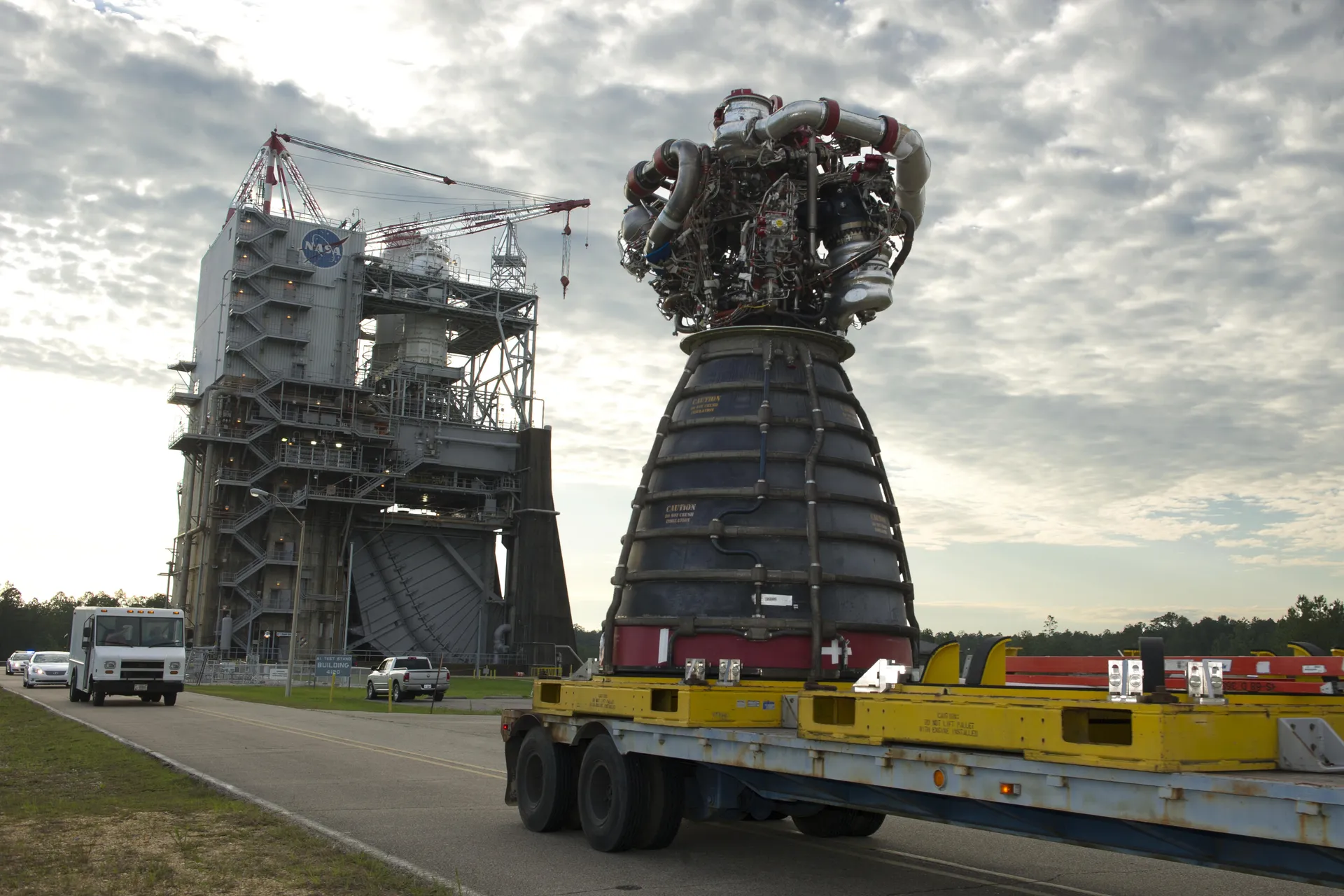
Raptor is the reusable engine SpaceX built for its Starship system. It burns liquid methane and liquid oxygen in a staged-combustion cycle—in Raptor’s full-flow version, each propellant drives its own turbine before reaching the main chamber—and SpaceX rates the sea-level Raptor 3 at 551,000 pounds of thrust, up from 507,000 for Raptor 2: roughly 2.7 to 2.9 times the 190,000 pounds of the Merlin engine that powers Falcon 9.
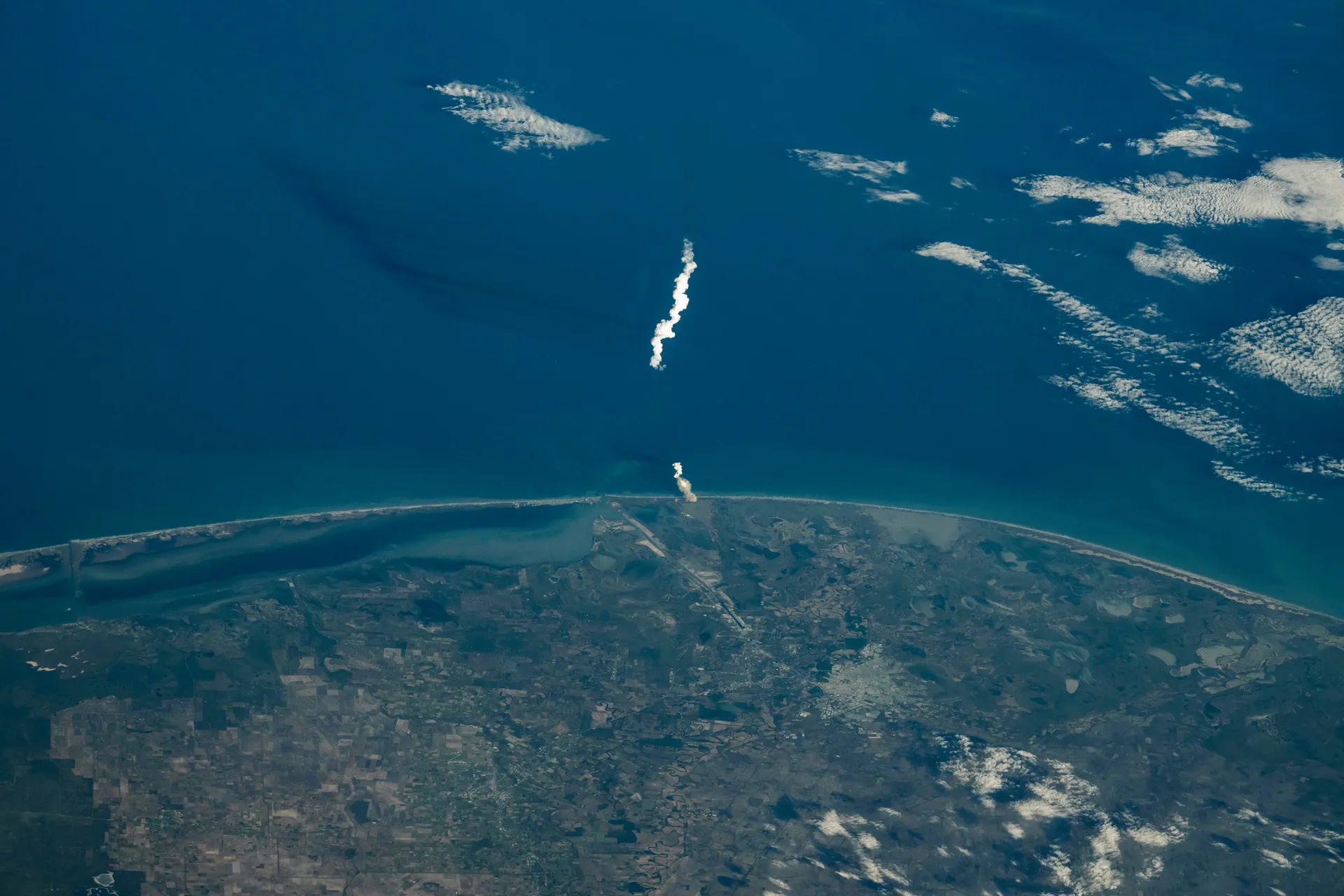
Elon Musk announced the first test firing of a Raptor in September 2016. The engine first flew on July 25, 2019, when a single Raptor carried the Starhopper test vehicle on its first untethered hop at Boca Chica, Texas. Larger Starship prototypes followed, and Raptors have powered all 14 of Starship’s integrated test flights since April 2023.
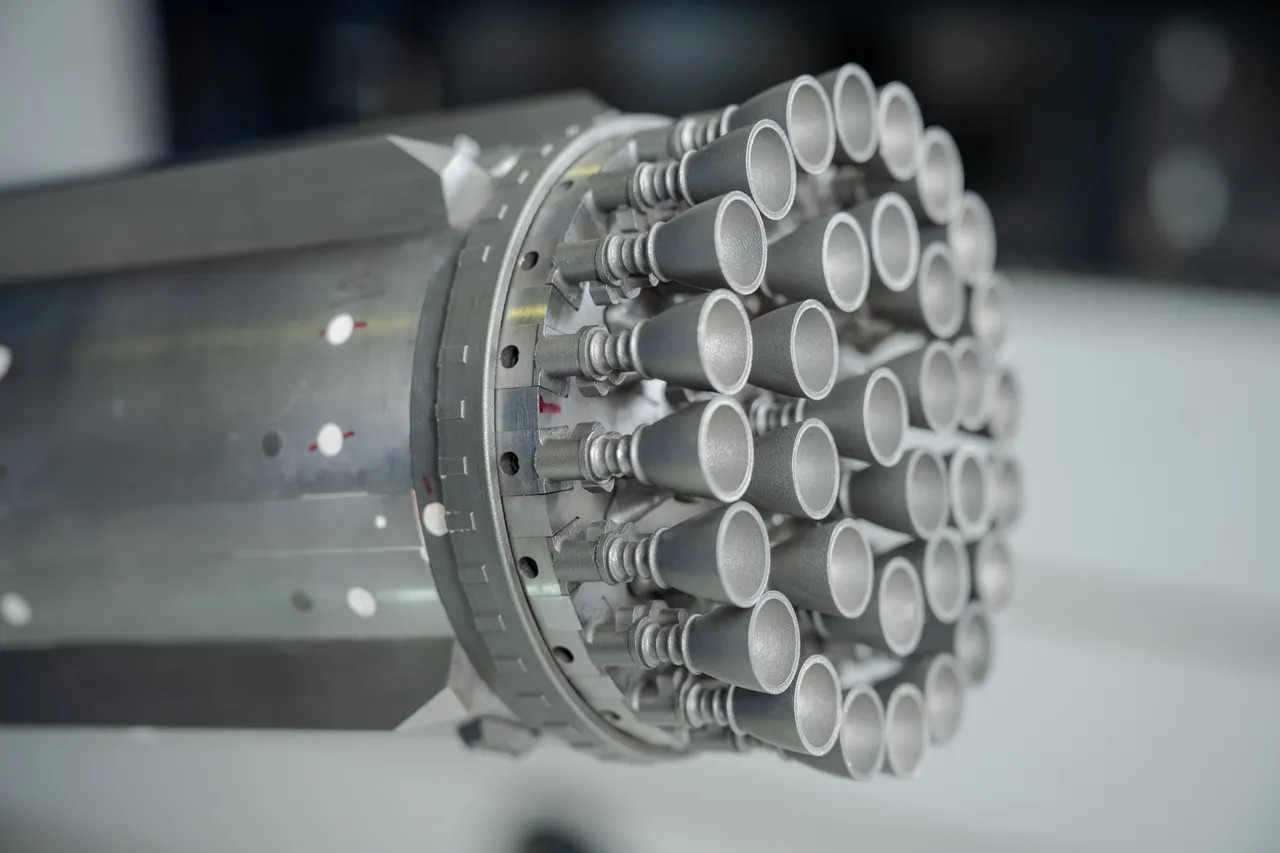
The Super Heavy booster carries 33 Raptors, 13 steerable engines in the center and 20 around the edge. The Starship upper stage carries six: three sea-level Raptors and three Raptor Vacuum engines designed to work in space.
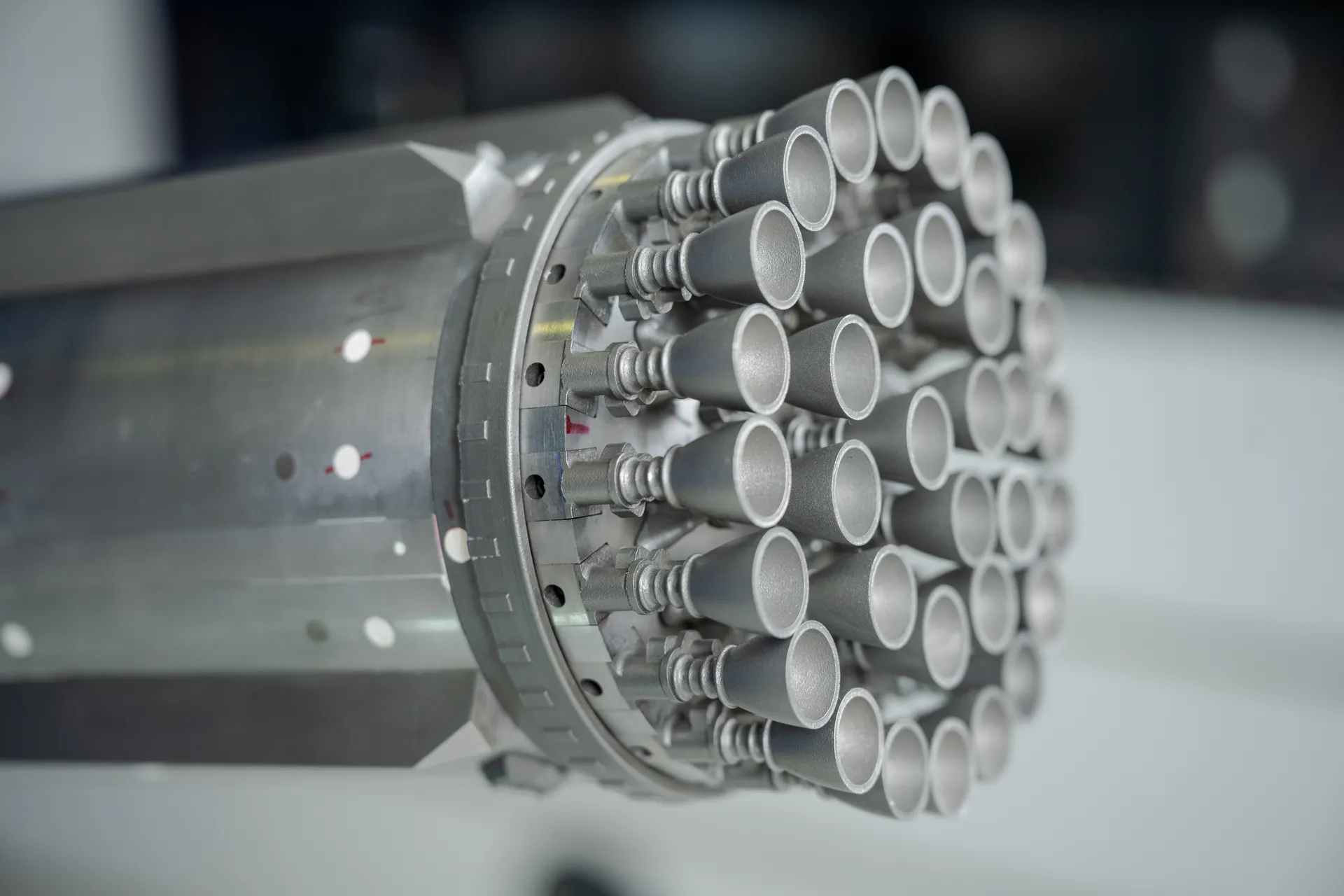
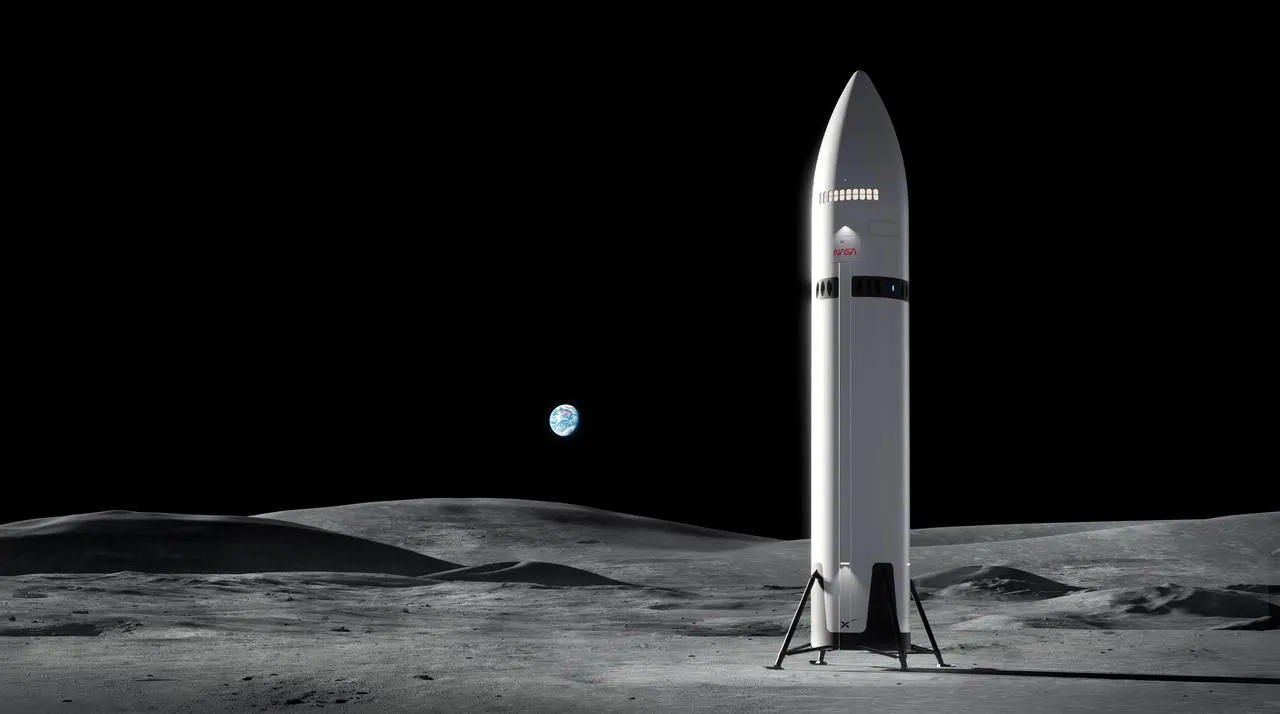
NASA’s Starship Moon lander is to fly on the same engines. Under its lander contract, SpaceX ran a 281-second Raptor firing in November 2021 that demonstrated the powered descent to the lunar surface, and in August 2023 it showed that a vacuum Raptor could start in the extreme cold that follows a long stay in space.
Raptor 3, the current version, first flew on Starship’s 12th flight on May 22, 2026. SpaceX chief executive Elon Musk has said it routes its secondary flows inside the engine and adds regenerative cooling to exposed parts, so it needs no separate heat shield. On Flight 14, on September 28, 2026, one booster engine and one of the ship’s six engines shut down early during the climb; the ship carried on, and a second burn, by a single Raptor, put a Starship into orbit for the first time. As of November 9, 2026, SpaceX was preparing Flight 15, which was to try catching both the booster and the ship at the launch site.
Where Raptor appears in the atlas
Sources
- 1
- 2
- 3
- 4
- 5
- 6
- 7
- 8
- 9
- 10
- 11