Explorer 1
The first American satellite, which found the radiation belts around Earth.
- Type
- Satellite
- Status
- Completed
- First flight
- January 31, 1958
- Size
- 2 m (7 ft)
- Built by
- NASA
- 14 kg
- the whole satellite
- 111 days
- of transmissions, to May 23, 1958
- 1970
- reentered the atmosphere, March 31
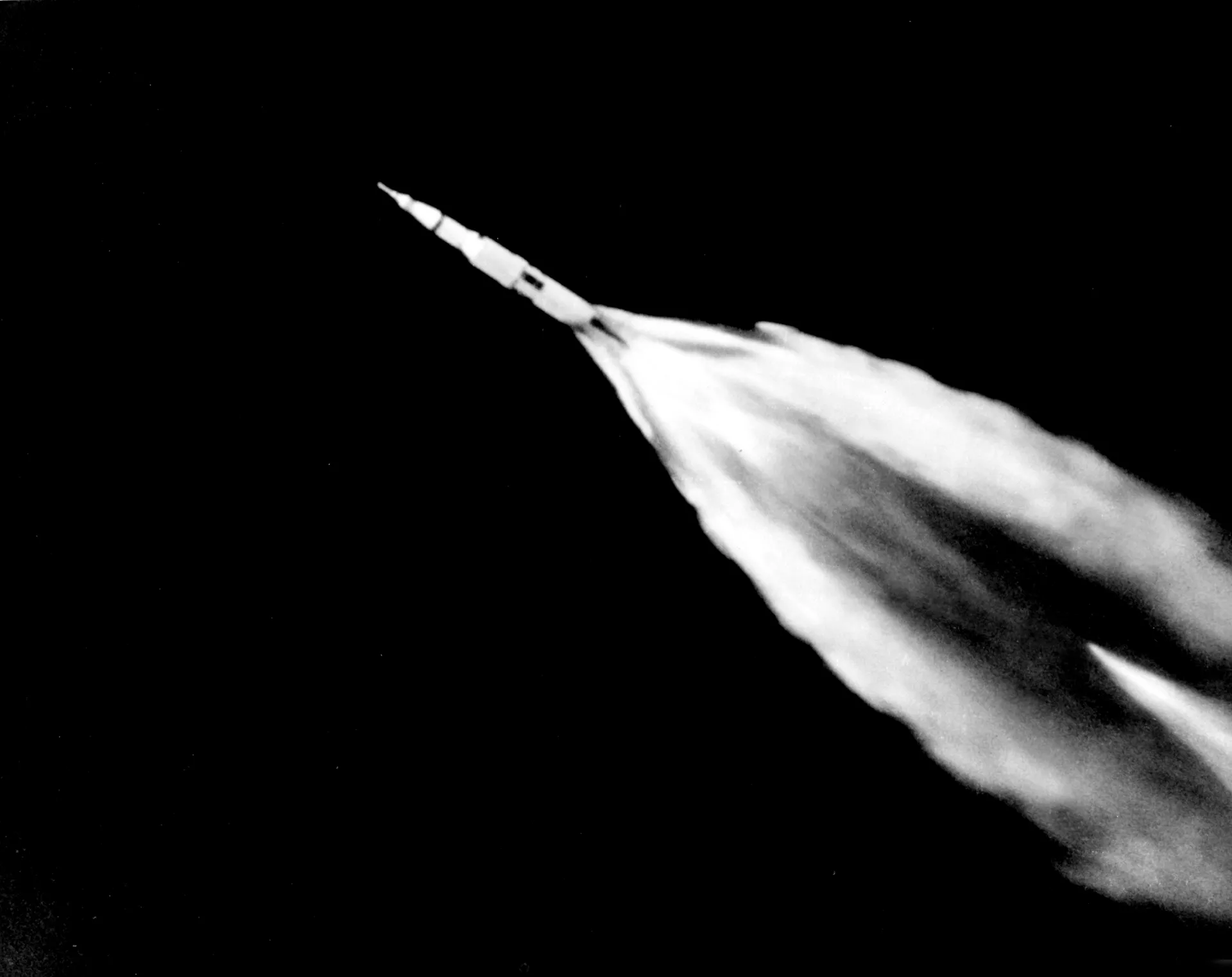
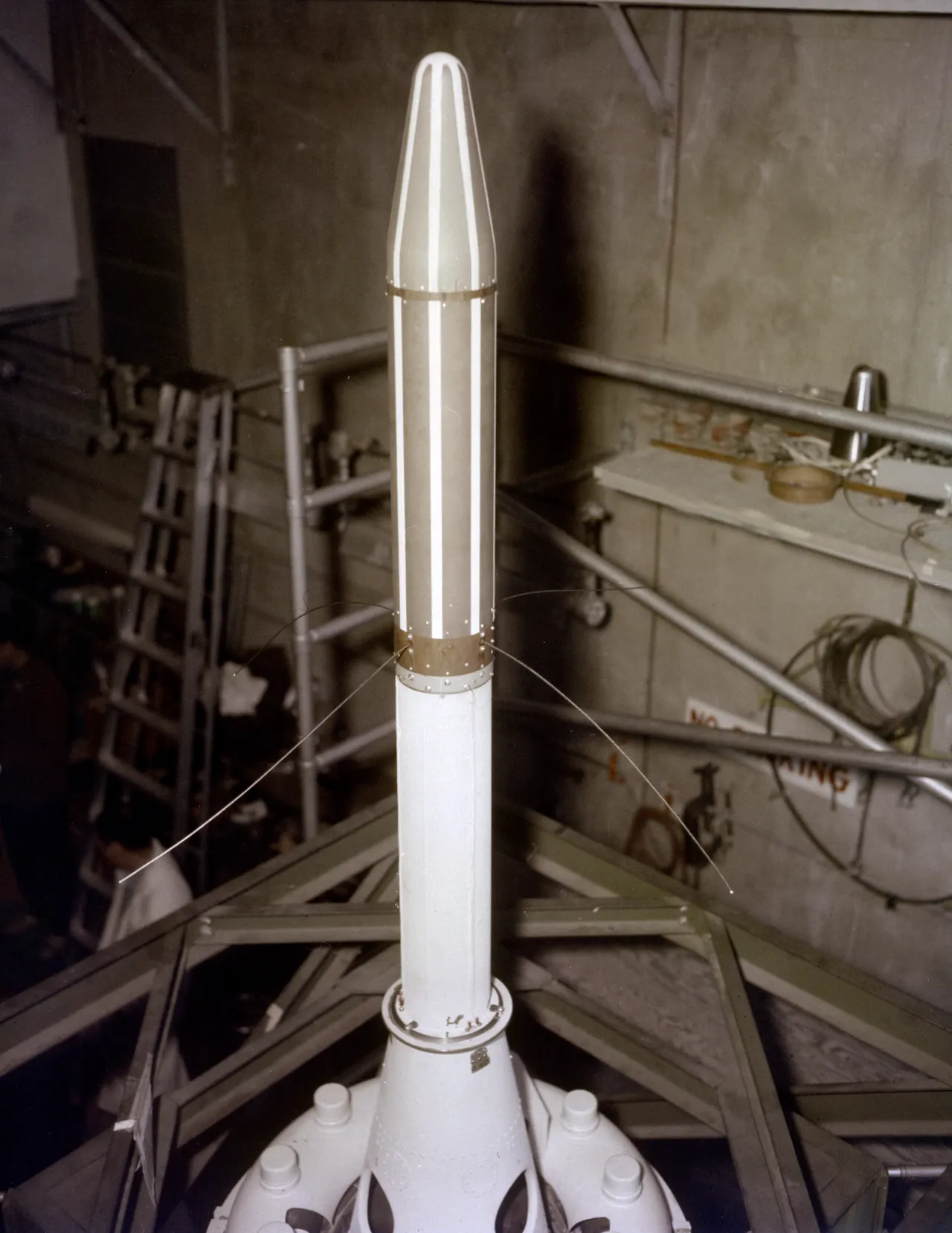
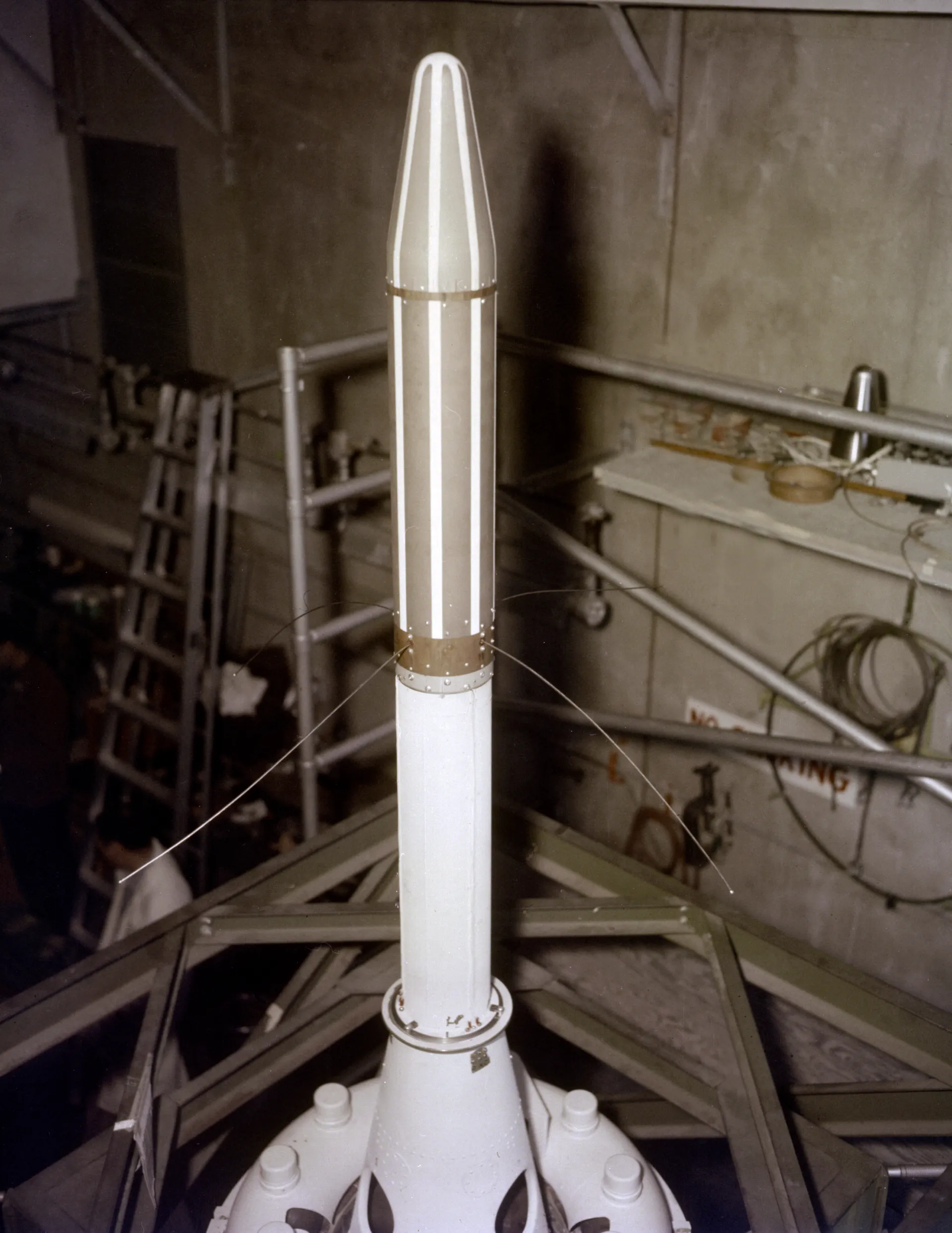
Explorer 1 was built by the Jet Propulsion Laboratory, then working for the U.S. Army, and launched on a Juno I rocket from Cape Canaveral on January 31, 1958, less than four months after Sputnik. It was a slim cylinder about 2 meters long, most of it the rocket’s last stage, with four whip antennas.
Its instruments, led by James Van Allen of the University of Iowa, measured cosmic rays. At some heights the counter went silent — not because there was no radiation but because there was too much — and the readings revealed the belts of charged particles around Earth that now carry Van Allen’s name. JPL joined NASA when the agency opened in October 1958.
Read more about Explorer 1
Sources
- 1