Saturn V
The three-stage rocket that launched every Apollo crew to the Moon, and Skylab on its last flight.
- Type
- Rocket
- Status
- Retired
- First flight
- November 9, 1967
- Height
- 110.6 m (363 ft)
- 13
- launches, 1967–1973
- 24
- astronauts carried to the Moon, 1968–1972
- 6
- crews landed on the Moon, 1969–1972
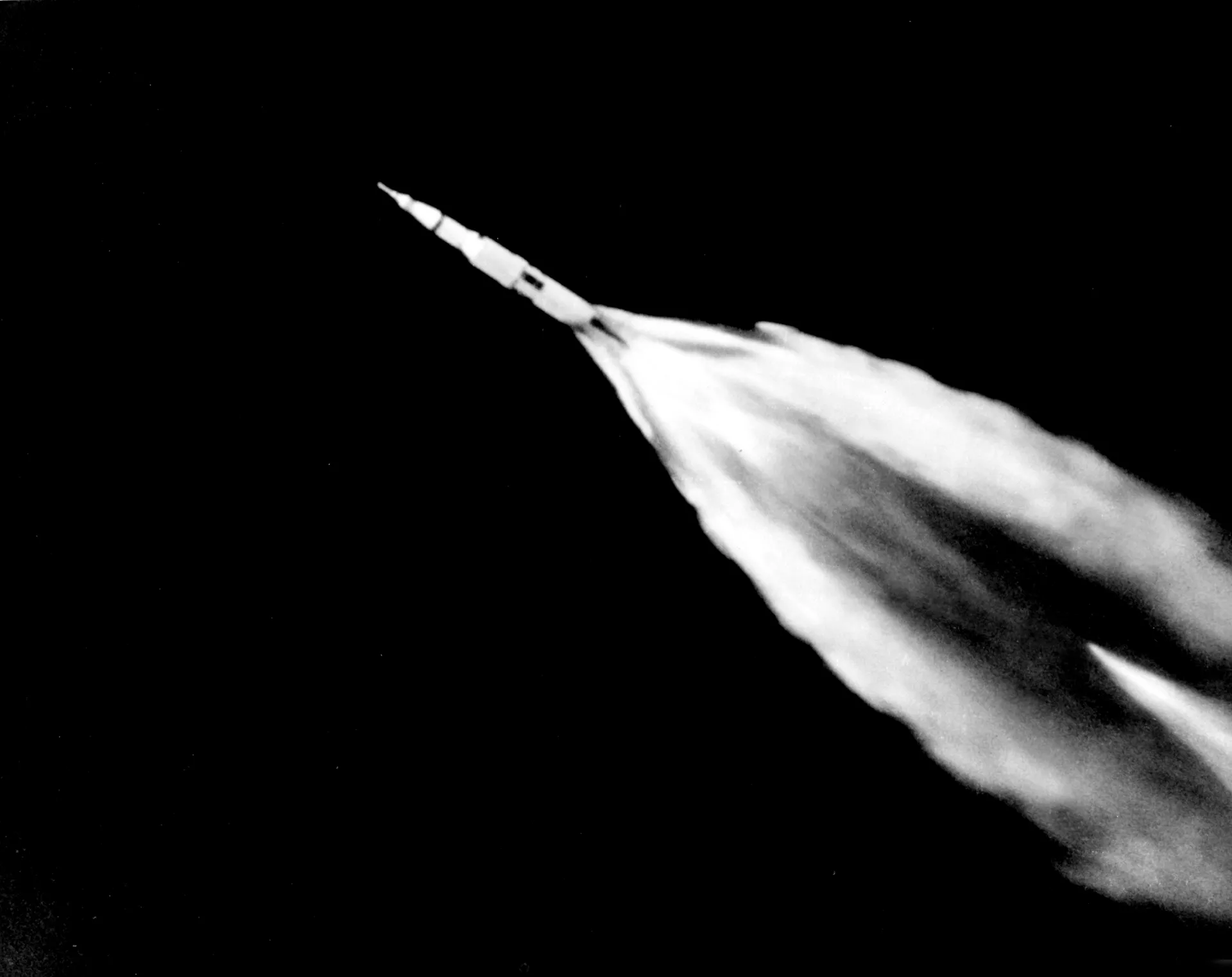
The Saturn V was a rocket NASA built to send people to the Moon. It was developed at NASA’s Marshall Space Flight Center in Huntsville, Alabama, and stood 363 feet (110.6 meters) tall—at the time, the most powerful rocket that had flown successfully. A group of prime contractors built it under Marshall management: Boeing built the first stage, North American Aviation the second, Douglas Aircraft the third, and IBM the instrument unit that guided the rocket.
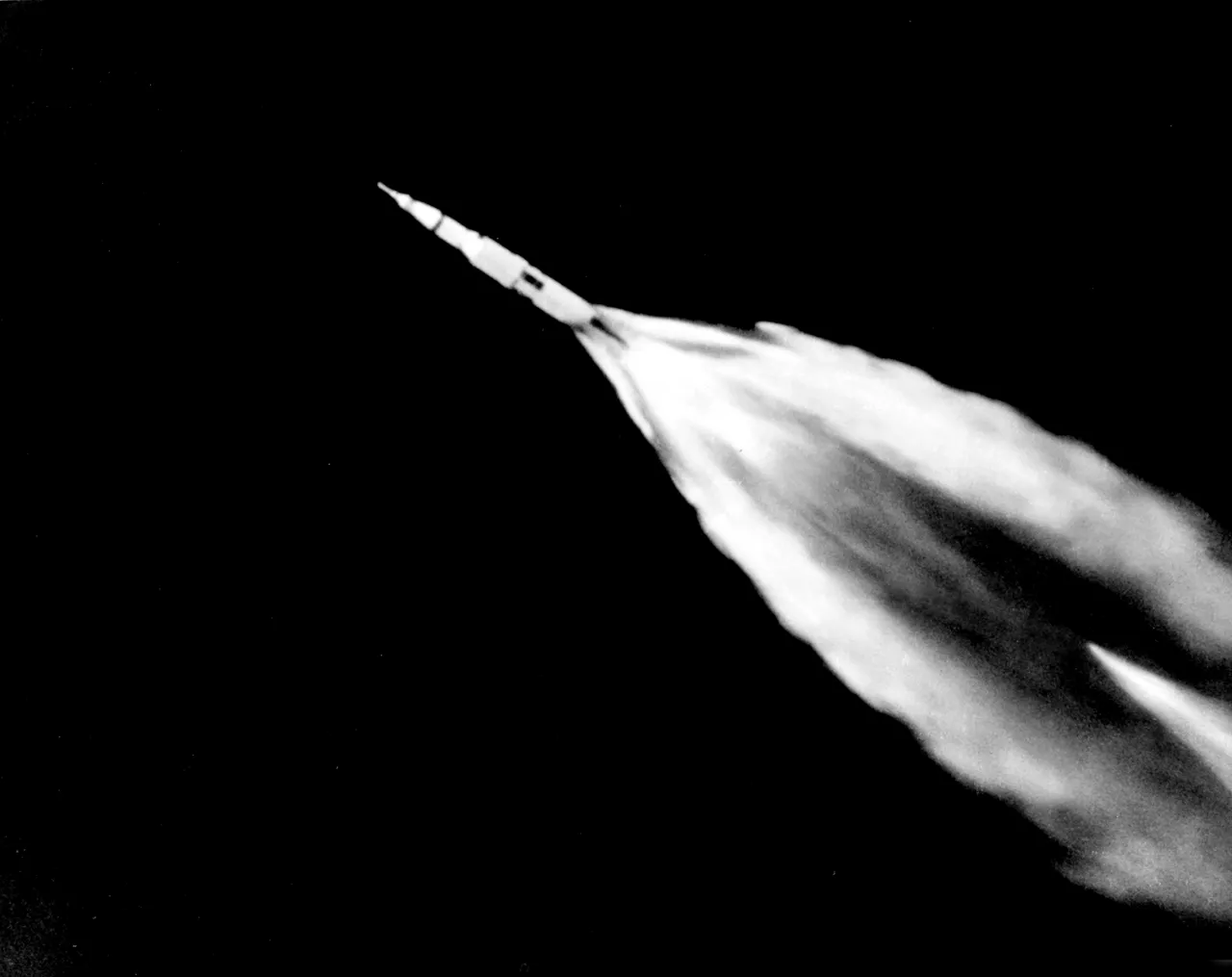
The first stage burned kerosene and liquid oxygen in five F-1 engines and lifted the rocket to an altitude of about 42 miles (68 kilometers). The second and third stages burned liquid hydrogen and liquid oxygen. The second stage carried the rocket almost to orbit; the third placed the Apollo spacecraft in Earth orbit and then pushed it toward the Moon.
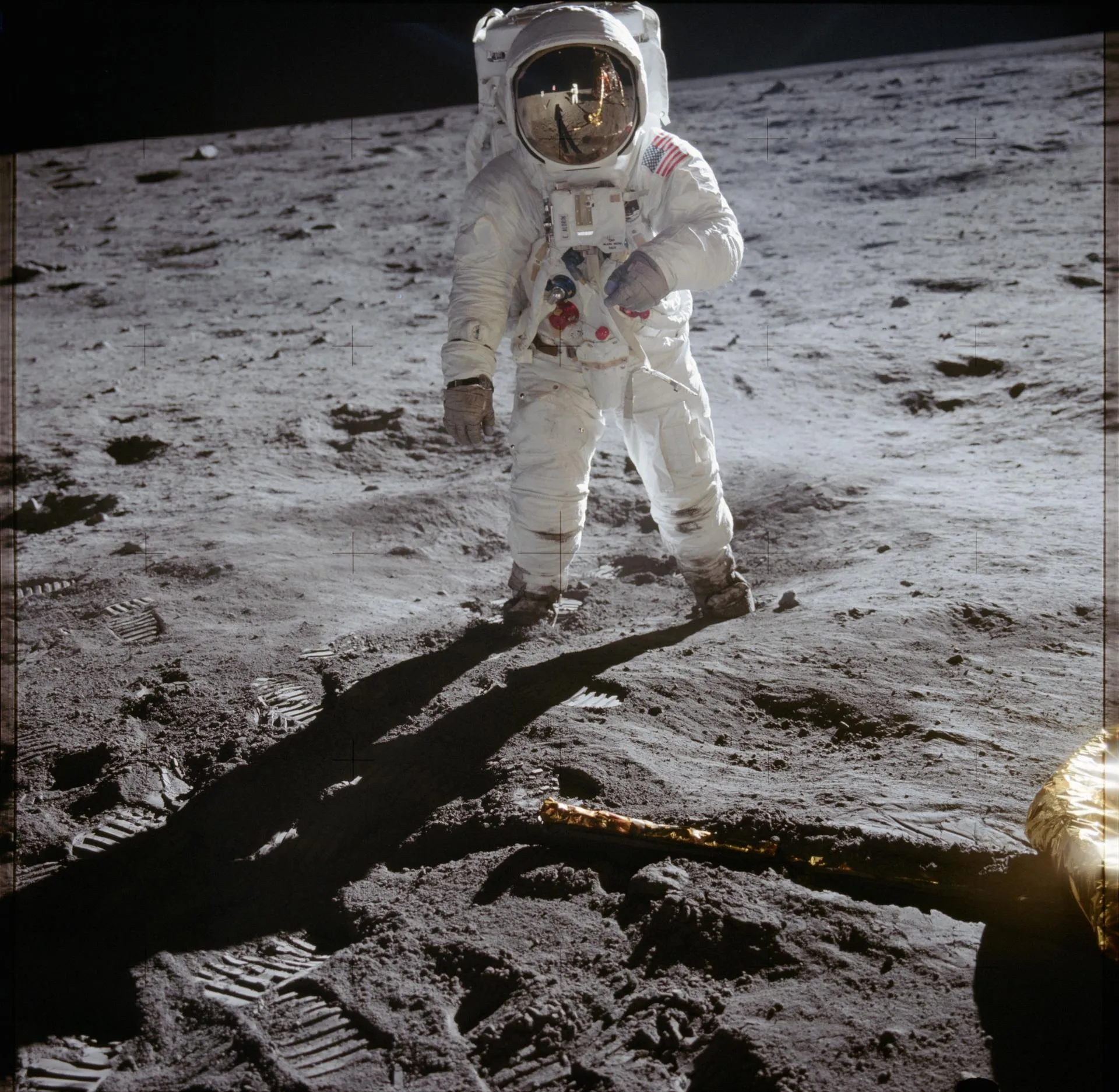
Thirteen Saturn Vs launched from Kennedy Space Center, beginning with the uncrewed Apollo 4 on November 9, 1967. Nine carried a total of 24 astronauts to the Moon between 1968 and 1972, and six of those crews landed. The last Saturn V, flown with two stages and no crew in 1973, launched the Skylab space station.
Read more about Saturn V
Sources
- 1
- 2
- 3
- 4