Commercial crew: $9.8 billion, one certified spacecraft, one still in testing
How NASA stopped owning its crew vehicles and started buying rides, why SpaceX’s Dragon has flown every rotation since 2020, and what still stands between Boeing’s Starliner and its first crew.
NASA/John Kraus
Drawn from 13 sources: NASA (8), NASA Office of Inspector General (3), NASA Johnson Space Center and Spaceflight Now. About 8 minutes. Checked October 1, 2026.
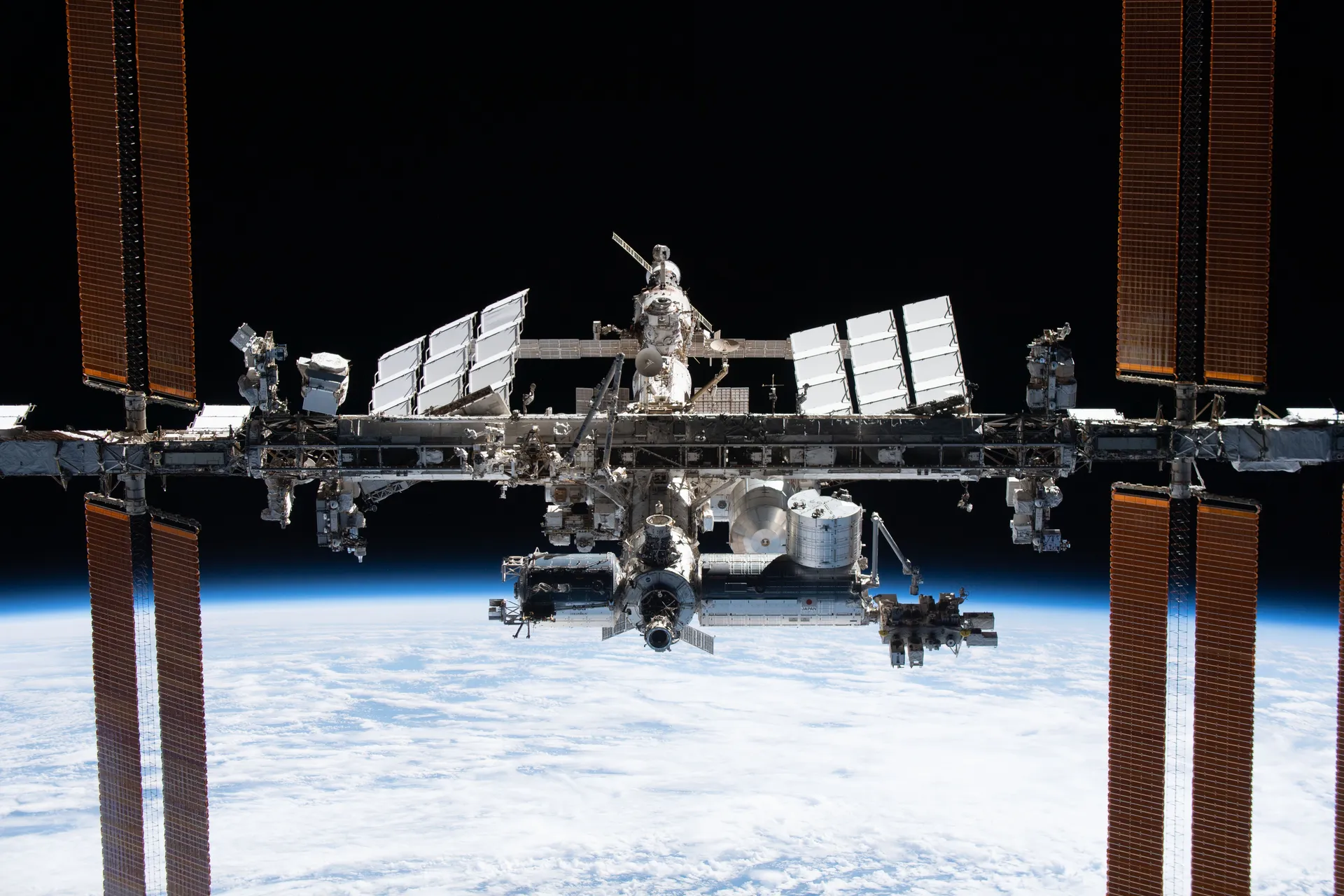
After the Space Shuttle retired in 2011, NASA relied solely on Russia’s Soyuz spacecraft to carry crews to and from the International Space Station until a safe and cost-effective U.S. option was available. In that time NASA shifted its approach from owning and fully controlling crew vehicles to advising and paying private companies to provide transportation as a service, through its Commercial Crew Program.1
Between 2014 and April 2026, NASA invested more than $9.8 billion to reestablish U.S. crew transportation: about $8.7 billion for two contracts, with SpaceX and Boeing, and $1.1 billion in related program funding.1 The results have diverged. SpaceX’s Crew Dragon was certified in 2020 and has carried every NASA crew rotation since. Boeing’s Starliner has flown two uncrewed test flights and one crewed test flight that NASA classified as its most serious category of mishap, and as of October 2026 it has not been certified to carry a crew.1,8
Buying rides instead of owning the spacecraft
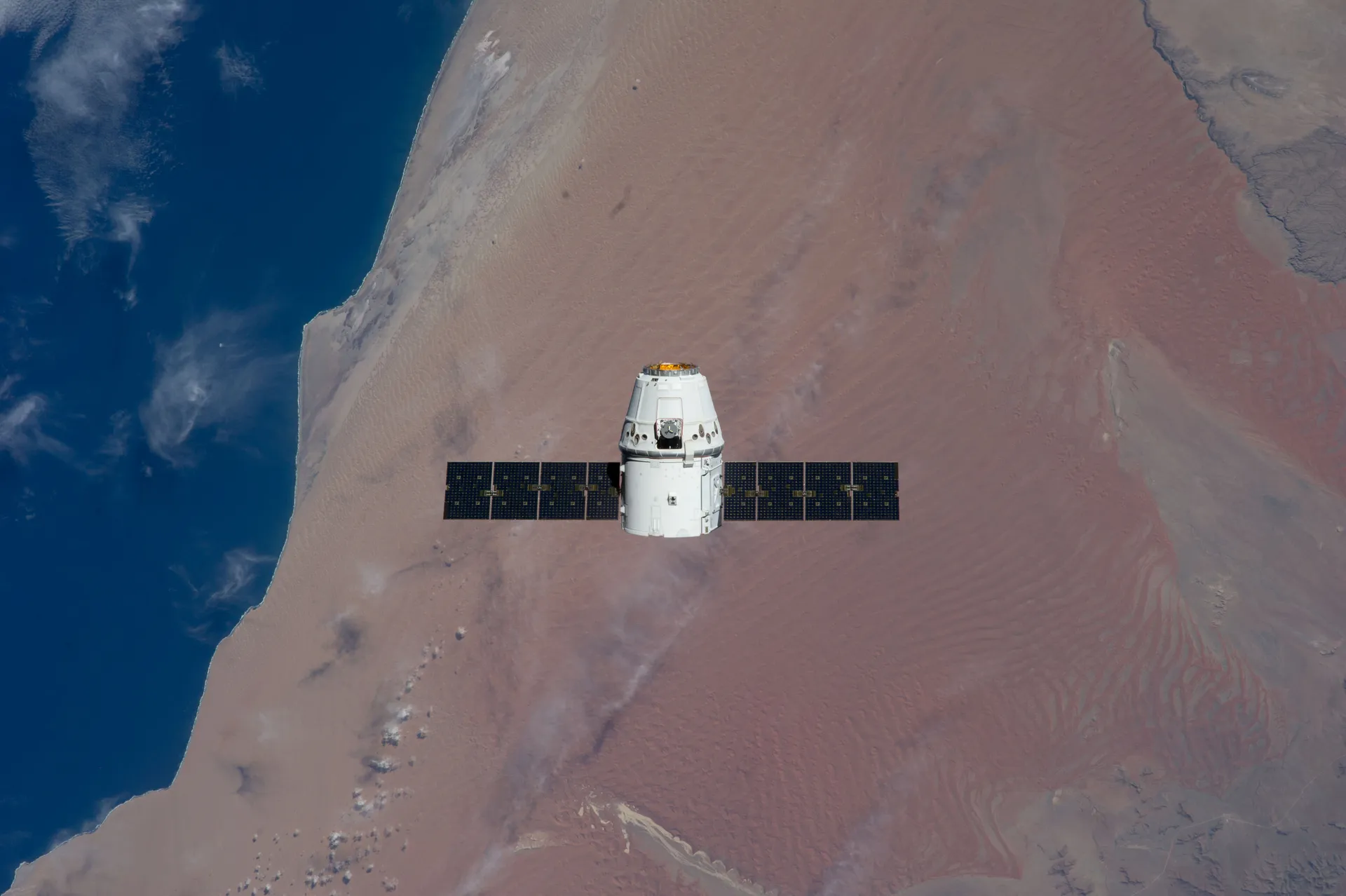
The model came from cargo. In 2005, Congress directed NASA to facilitate agreements with U.S. companies to develop commercial crew and cargo spaceflight, and NASA created a Commercial Crew and Cargo Program office that year.1 From 2006 to 2013, under the Commercial Orbital Transportation Services program, NASA acted as an investor and advisor to companies developing vehicles to resupply the station. SpaceX, one of the first partners selected in August 2006, flew its demonstration mission to the station in May 2012 and quickly followed with resupply missions under a separate service contract.5
A separate Commercial Crew Program office was established in 2011. It moved through five phases. The first three, two rounds of Commercial Crew Development and Commercial Crew Integrated Capability, were funded through Space Act Agreements and established the companies’ designs; Certification Products Contracts followed, and finally the Commercial Crew Transportation Capability contracts that pay for certification and flights.1 A Space Act Agreement sets legally enforceable commitments between NASA and a partner without the long list of requirements found in most government contracts. By 2019 NASA had awarded $1.5 billion in such agreements to eight companies, among them Blue Origin, Boeing, Sierra Nevada and SpaceX.3
Meanwhile NASA paid Russia. Between 2006 and 2024 it bought 68 Soyuz seats worth more than $3.6 billion to ferry U.S. and partner astronauts.1 Prices for a round trip ranged from about $21 million to $86 million between 2006 and 2020. In 2019 the inspector general estimated that the commercial contracts would cost about $55 million a seat on SpaceX’s vehicle and about $90 million on Boeing’s, assuming four astronauts a flight.3
- $55.4M
- average price of a Soyuz seat, 2006–20203
- $86M
- highest price NASA paid for a Soyuz round trip3
- ~$55M
- estimated cost per seat on Crew Dragon (2019)3
- ~$90M
- estimated cost per seat on Starliner (2019)3
$4.2 billion for Boeing, $2.6 billion for SpaceX
On September 16, 2014, NASA announced its selection of Boeing and SpaceX to transport U.S. crews to and from the station using their CST-100 and Crew Dragon spacecraft, with a goal of ending the nation’s sole reliance on Russia in 2017. The maximum potential values of the firm fixed-price contracts were $4.2 billion for Boeing and $2.6 billion for SpaceX.2
The contracts included at least one crewed flight test per company, with at least one NASA astronaut aboard, to verify that the fully integrated rocket and spacecraft could launch, maneuver in orbit and dock to the station. Once a company’s system achieved NASA certification, it would conduct at least two, and as many as six, crewed missions to the station, and its spacecraft would serve as a lifeboat for the crew aboard. The companies would own and operate the transportation systems and could sell rides to other customers.2 NASA, for its part, would certify that each system met its human-rating requirements before routine crewed missions began.1
Since the awards, the two contracts have moved in opposite directions. SpaceX’s grew, mainly because a 2022 modification added eight crew missions; Boeing’s shrank after a 2025 modification removed two. Apart from the change in flights, both contracts grew less than most fixed-price spaceflight contracts: about 11 percent, or $126.8 million, for SpaceX and 14 percent, or $269.4 million, for Boeing, to meet added NASA requirements.1 Each company has also invested its own money in its vehicle.1
Contract values: Boeing’s fell as SpaceX’s more than doubled1
Show the numbers
| stage | Boeing (Starliner) | SpaceX (Crew Dragon) |
|---|---|---|
| At award, 2014 | $4.2B | $2.6B |
| April 2026 | $3.7B | $4.9B |
| September 2026 | $3.7B | $5.92B |
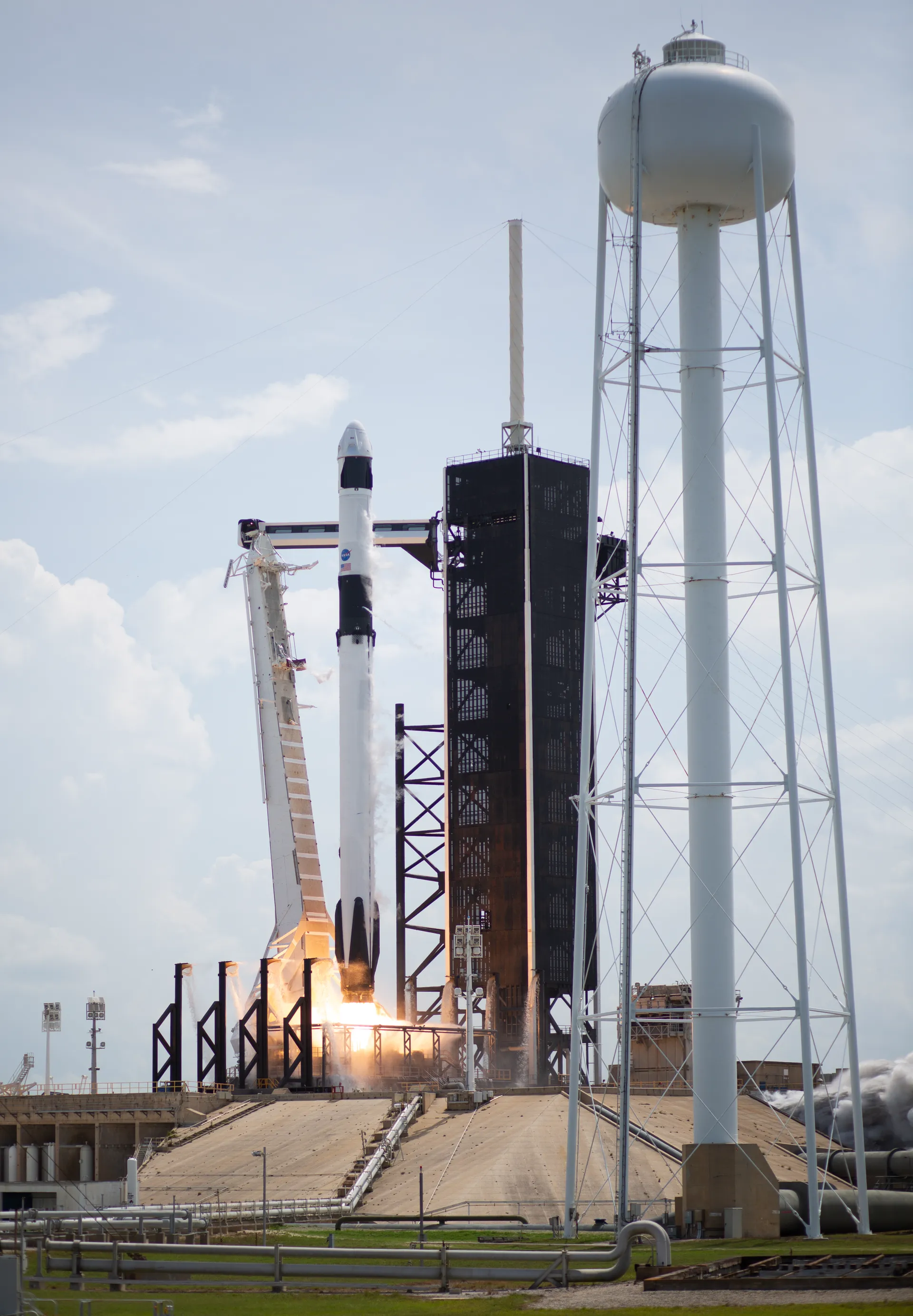
Demo-2 ended nine years without a U.S. crew launch
Both companies were late. In 2016 the inspector general expected the first routine flight carrying NASA astronauts in late 2018, more than three years after NASA’s original 2015 goal; in 2019 it expected certification no earlier than summer 2020. Boeing’s challenges included vibration during launch and the vehicle’s mass; SpaceX’s delays included a change in capsule design to land in water rather than on the ground.3,4
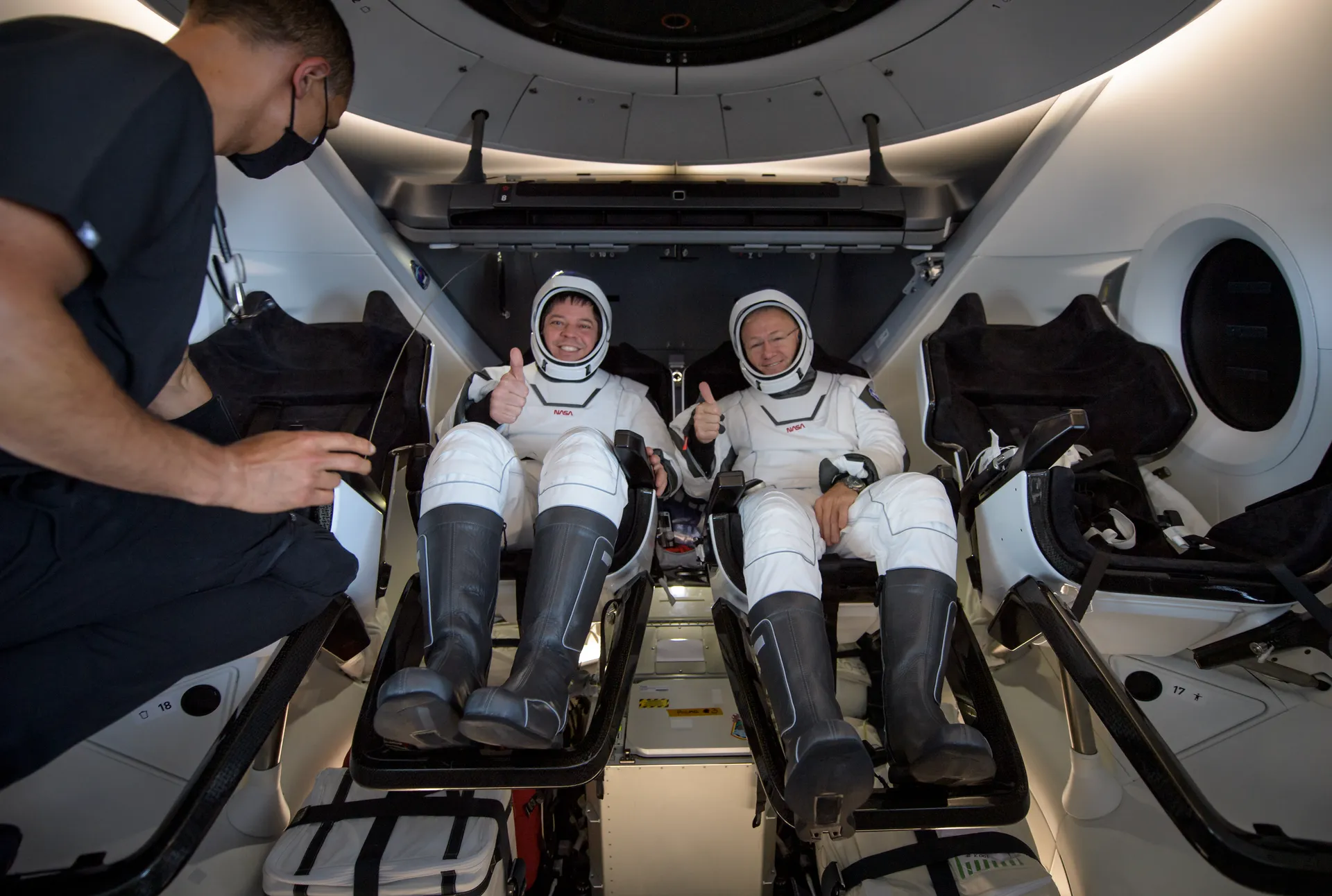
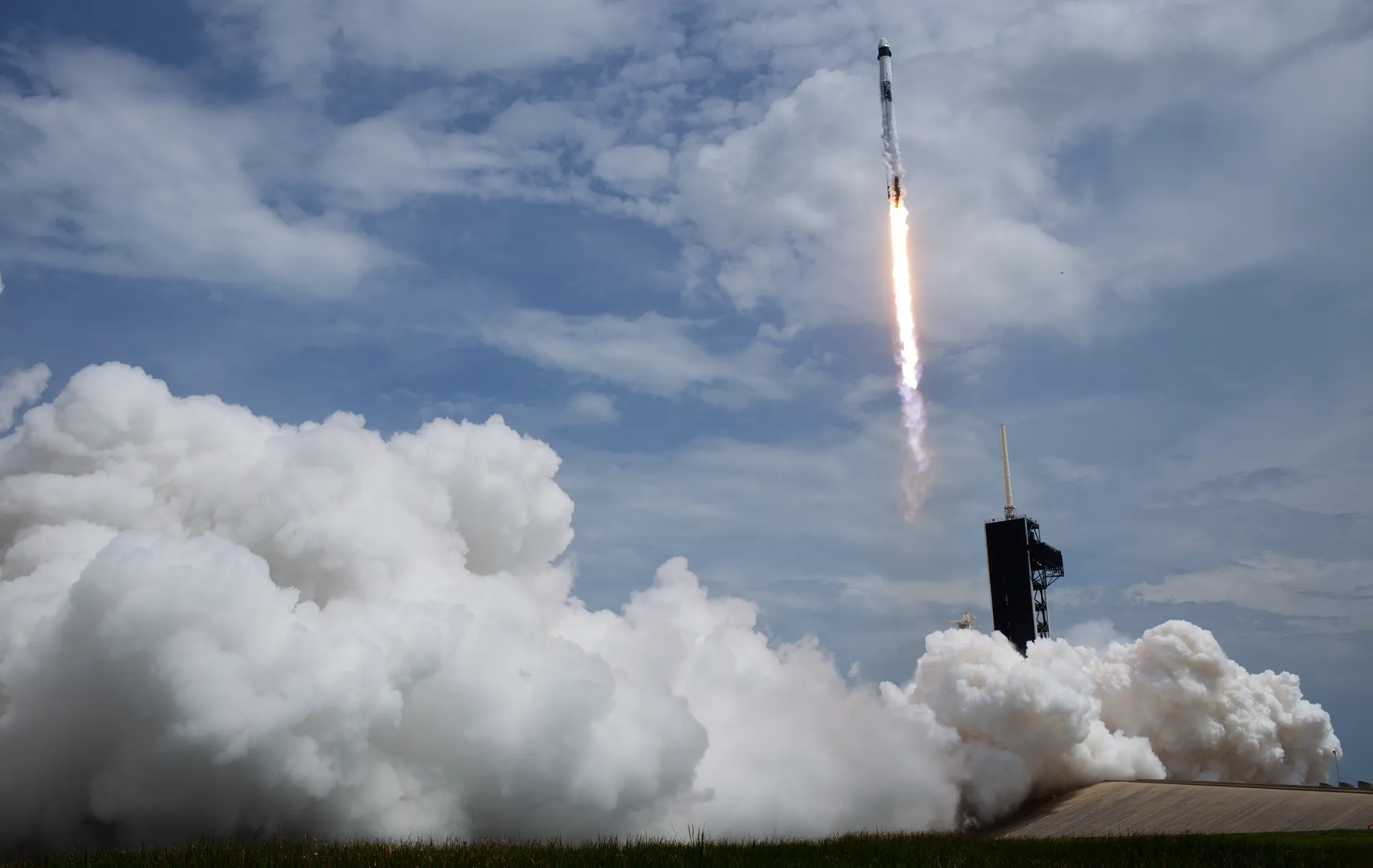
On May 30, 2020, NASA astronauts Robert Behnken and Douglas Hurley lifted off at 3:22 p.m. EDT on a Falcon 9 from Launch Complex 39A at Kennedy Space Center, the first time NASA astronauts had launched from American soil in a commercially built and operated American crew spacecraft.6 The mission, Demo-2, was an end-to-end test of SpaceX’s system, including launch, in-orbit, docking and landing operations.6
They joined the station crew the next day, spent 62 days aboard and 64 days in orbit, and splashed down on August 2.7 SpaceX received its human-rating certification in November 2020, before launching the first crew rotation mission, Crew-1.1 According to NASA and SpaceX officials, the company drew on its experience with cargo Dragon and Falcon 9 to validate the crew system.1
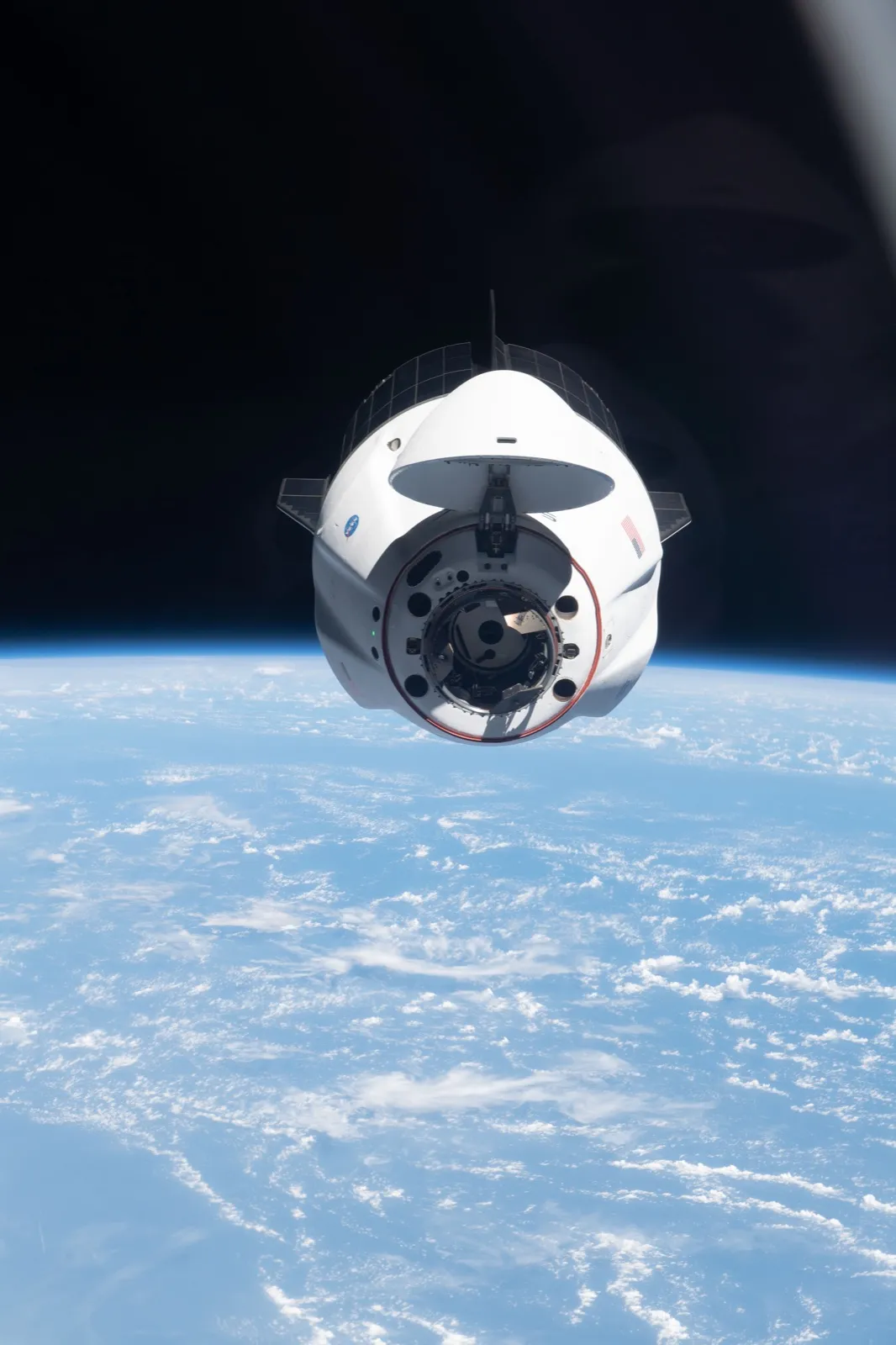
Certification has to be maintained. SpaceX continues to change its system, and NASA must verify that each change does not compromise the 2020 certification: a new landing area, for instance, and more reuse of Dragon capsules and Falcon 9 boosters. Crew Dragon landings moved from the East Coast to the Pacific Ocean off the West Coast after NASA and SpaceX found that pieces of the jettisoned trunk did not always burn up during reentry.1
Starliner’s three test flights and a Type A mishap
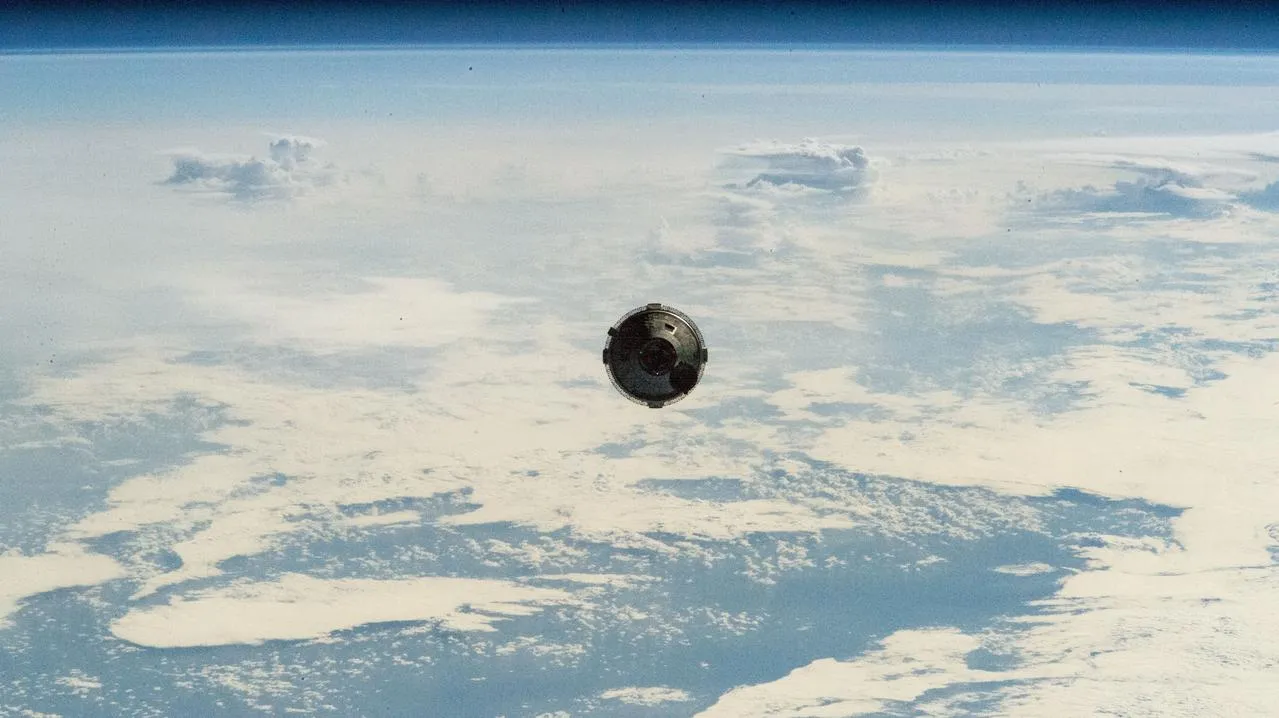
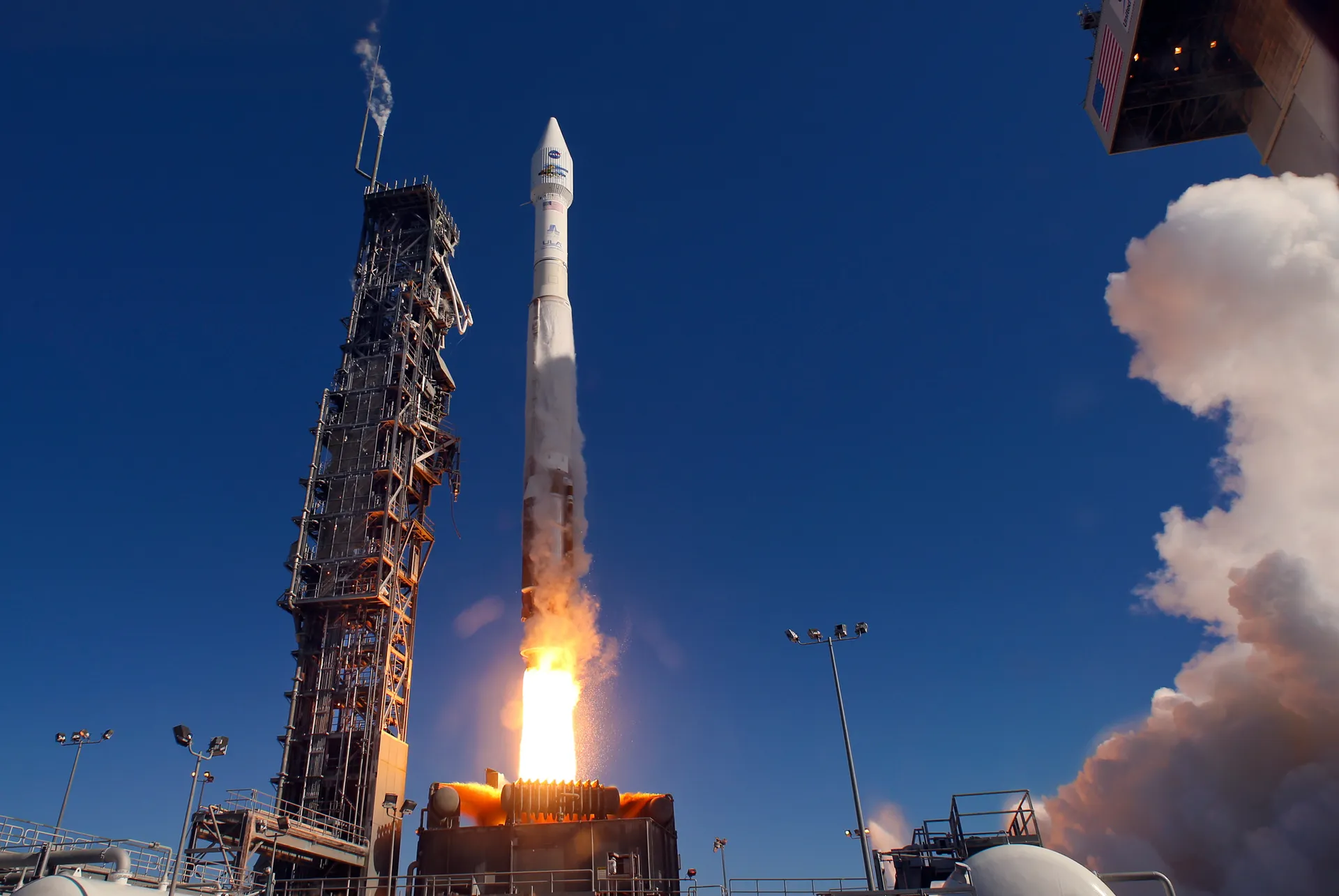
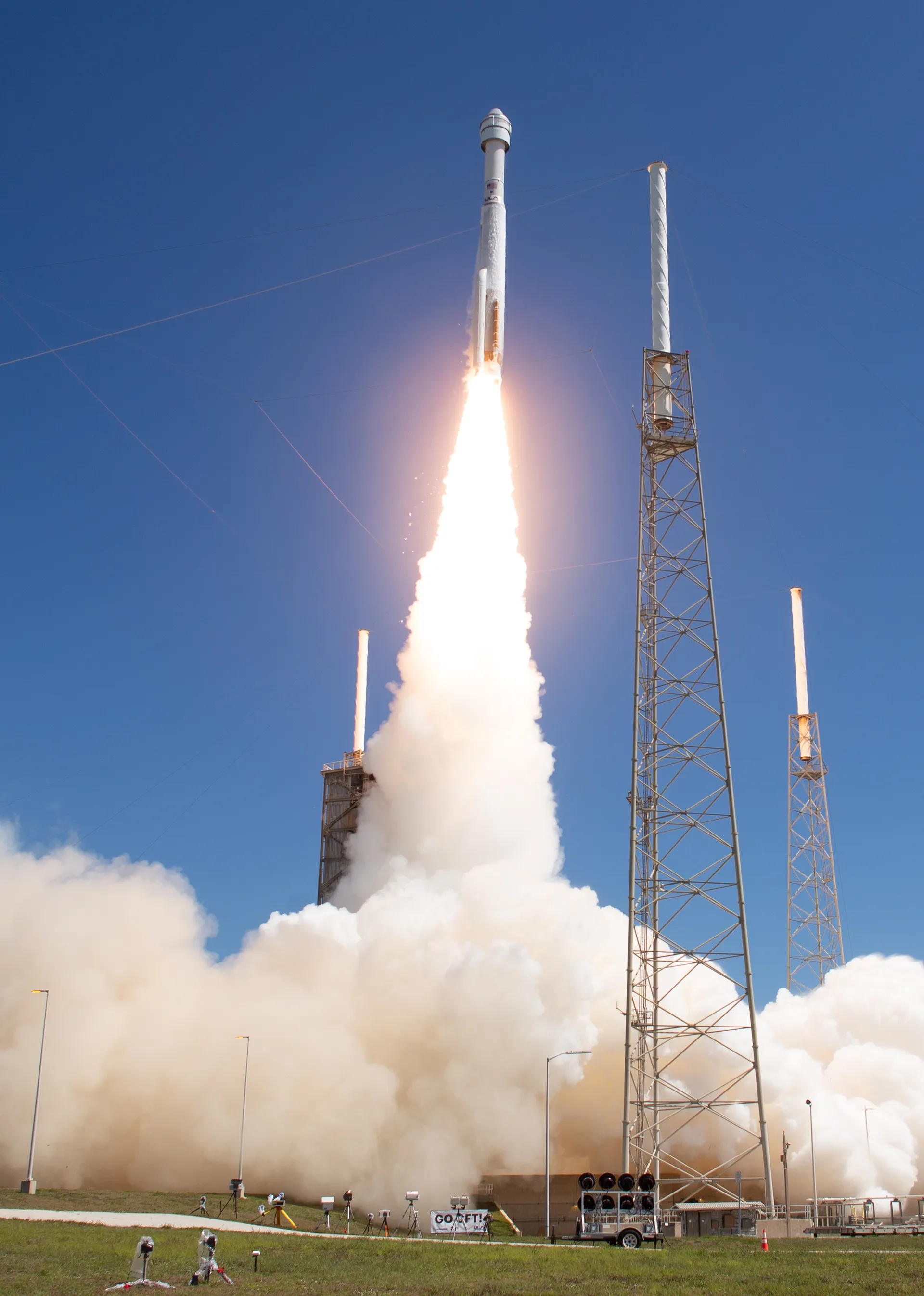
Boeing launched the first uncrewed orbital flight test, OFT-1, on a United Launch Alliance Atlas V in December 2019. A software timing error left the spacecraft unable to dock with the station; Boeing investigated and resolved the problem at its own expense. OFT-2, two and a half years later in May 2022, docked successfully but had thruster failures in both modules and helium leaks in the service module.1
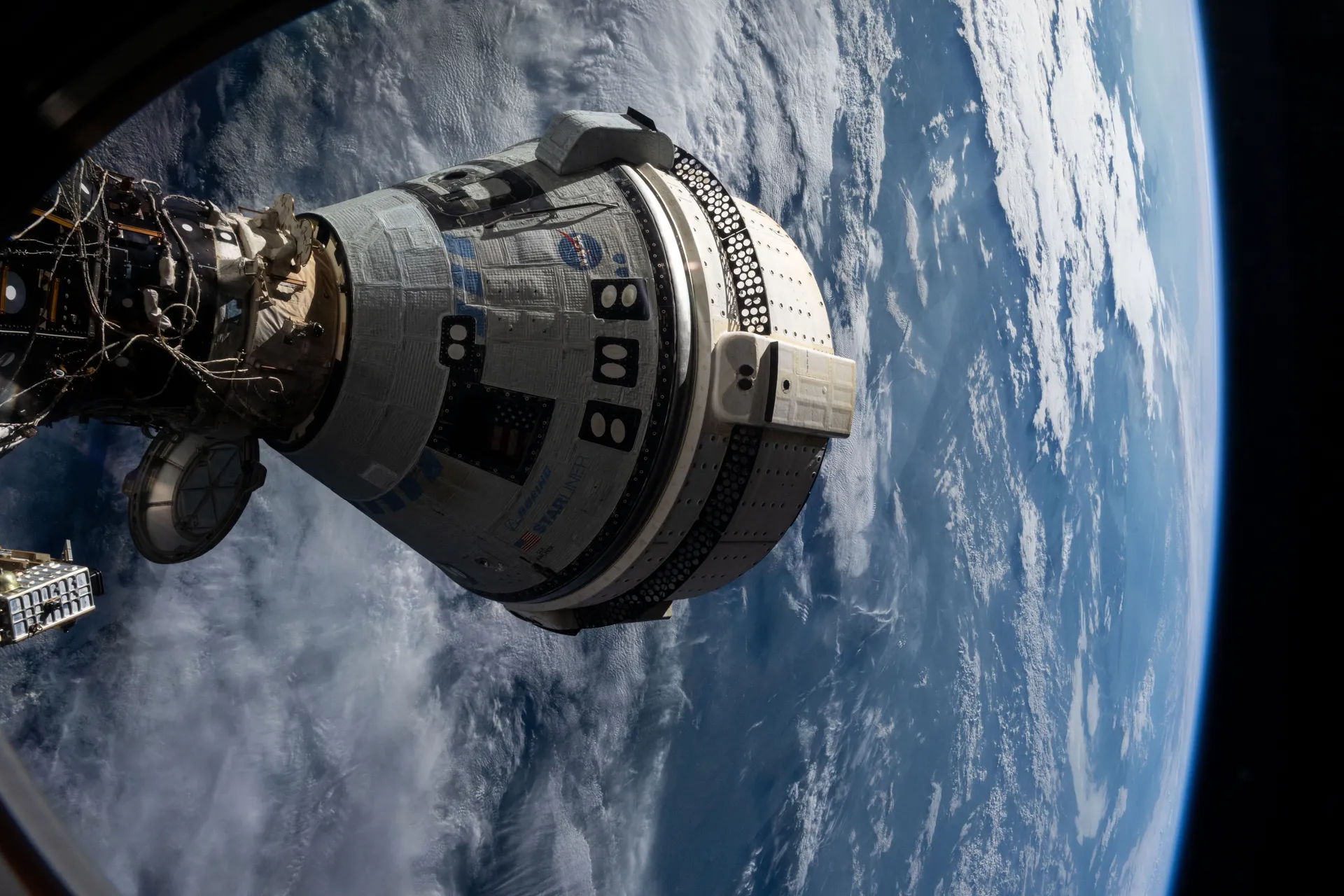
The Crew Flight Test launched on June 5, 2024, with NASA astronauts Barry “Butch” Wilmore and Sunita “Suni” Williams, on a mission planned to last eight to 14 days.8 During the approach to the station, five of the service module’s thrusters failed from overheating, caused by their close spacing and the limited means of removing heat from the pods that house them. The automated system lost the ability to control all six directions of motion, and Wilmore took manual control. After about an hour and 14 minutes of troubleshooting, controllers recovered four of the five thrusters and the spacecraft docked.1
Helium leaks persisted and changed throughout the mission; tests pointed to O-rings degraded by long exposure to propellant.1 After ground tests at White Sands Test Facility, NASA decided to return the spacecraft without its crew. Starliner landed at White Sands Space Harbor in September 2024, and after undocking one of two redundant crew module thrusters failed, leaving a single thruster to control the capsule through entry, descent and landing.1,8
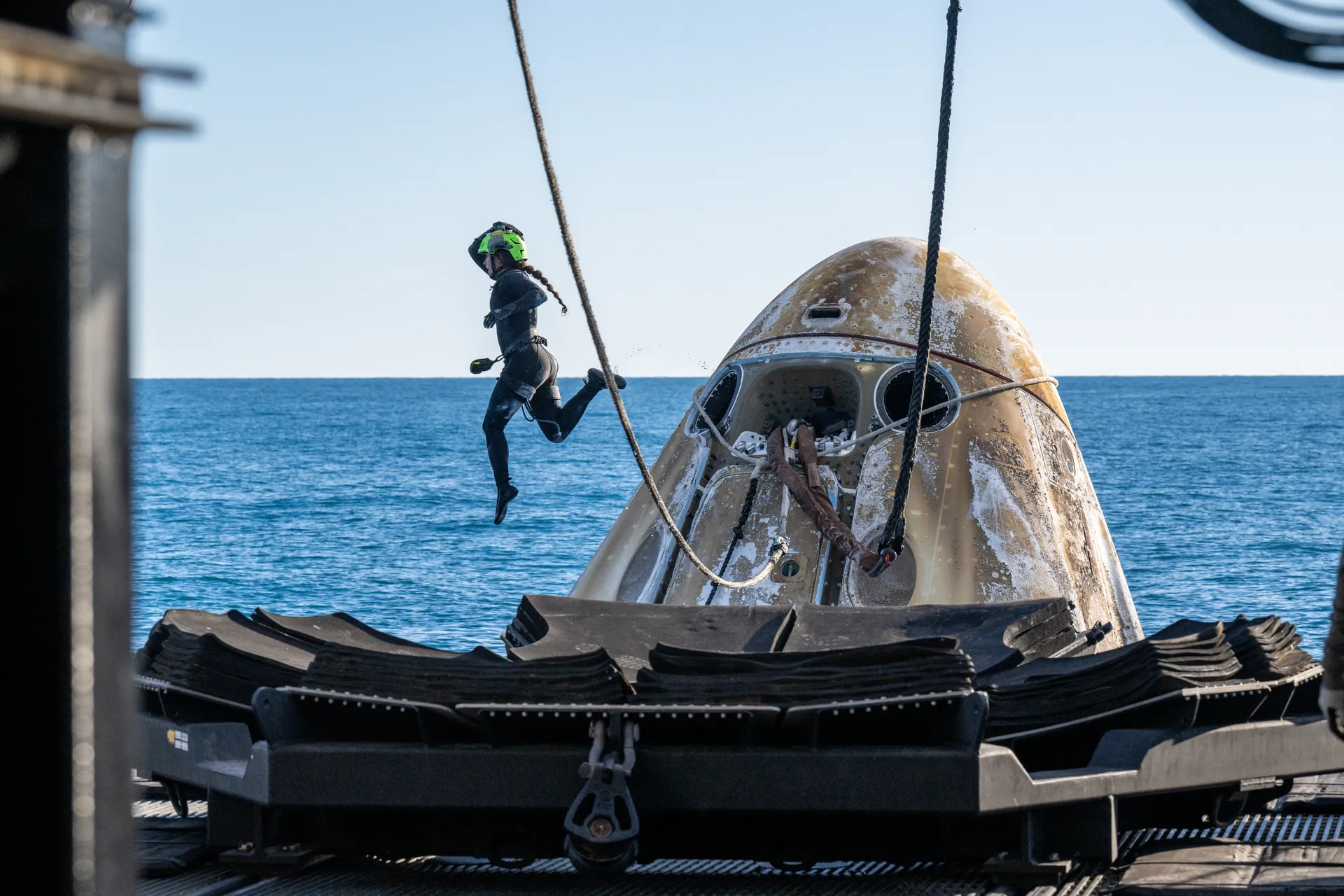
Wilmore and Williams stayed on the station and came home on SpaceX’s Crew-9 mission in March 2025.8 A flight planned to last little more than a week had lasted 286 days.1
In February 2025, NASA chartered an independent Program Investigation Team. It found an interplay of hardware failures, qualification gaps, leadership missteps and cultural breakdowns that created risk conditions inconsistent with NASA’s human spaceflight standards, and it made 61 recommendations. On February 19, 2026, NASA declared the flight a Type A mishap, its highest classification, because of the loss of maneuverability near the station and the financial damage.8,10
Beyond technical issues, it is clear that NASA permitted overarching programmatic objectives of having two providers capable of transporting astronauts to-and-from orbit, influence engineering and operational decisions, especially during and immediately after the mission.
Every announced date for Starliner’s first crew has moved
Astronauts and NASA officials told the inspector general that more than 30 flight dates had been announced for the Crew Flight Test over five years, and that from May 2021 the program operated as if the flight were always six months away. Issues found in flight simulations, including simulated loss of crew, and design flaws such as the lack of a toilet aboard Starliner were not appropriately addressed, they said, because the schedule left no time.1
When Starliner was expected to carry a crew rotation1
The auditors traced the delays to three causes. NASA had been overconfident in Boeing’s design because of its heritage systems and long spaceflight experience, and so did not require integrated testing of the flight hardware and software. That overconfidence led Boeing to set, and NASA to accept, an unrealistic schedule. And NASA did not use its contractual rights to flight-simulator data, so failures in simulation were not fully analyzed; the crew was not told what caused them or what was done about them.1 The Commercial Crew Program had also lost about 21 percent of its workforce by April 2025.1
The delays have a price. NASA paid SpaceX an extra $17 million to prepare two flights on an accelerated schedule to cover missions originally assigned to Boeing. Flying Starliner-1 without a crew uses one of the contracted post-certification missions, valued at more than $300 million, for what is effectively a third uncrewed test, so NASA will have to buy at least one more crew flight. The inspector general questioned $127.9 million in payments to Boeing, in addition to $43 million questioned in 2019, for a mission that is “far from certain.”1 As of June 2026, the inspector general calculated that the flights on contract would keep the station crewed only into the spring of 2029, and that NASA needed at least three more.1
Seventeen Dragon missions, and a second attempt for Starliner
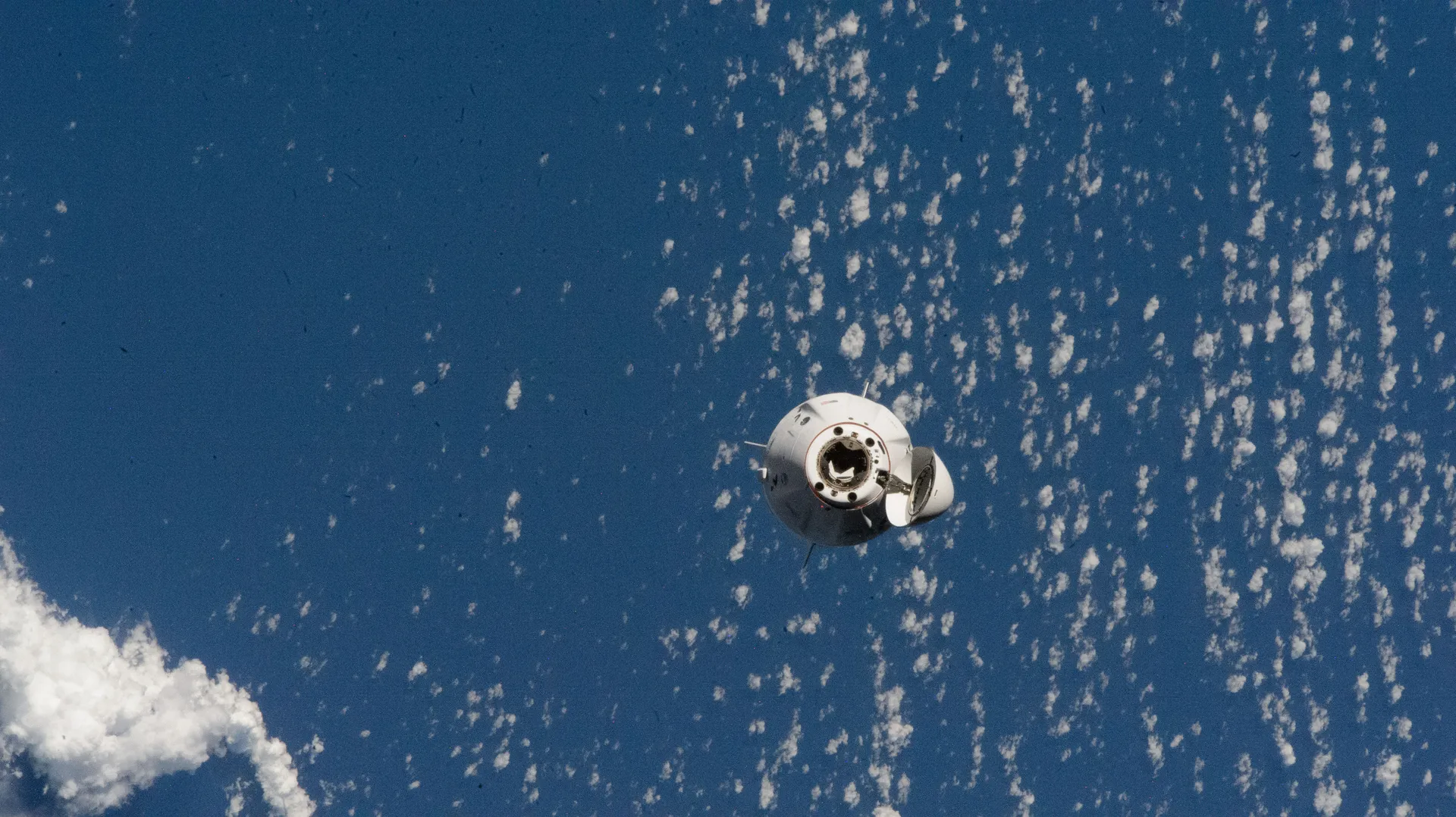
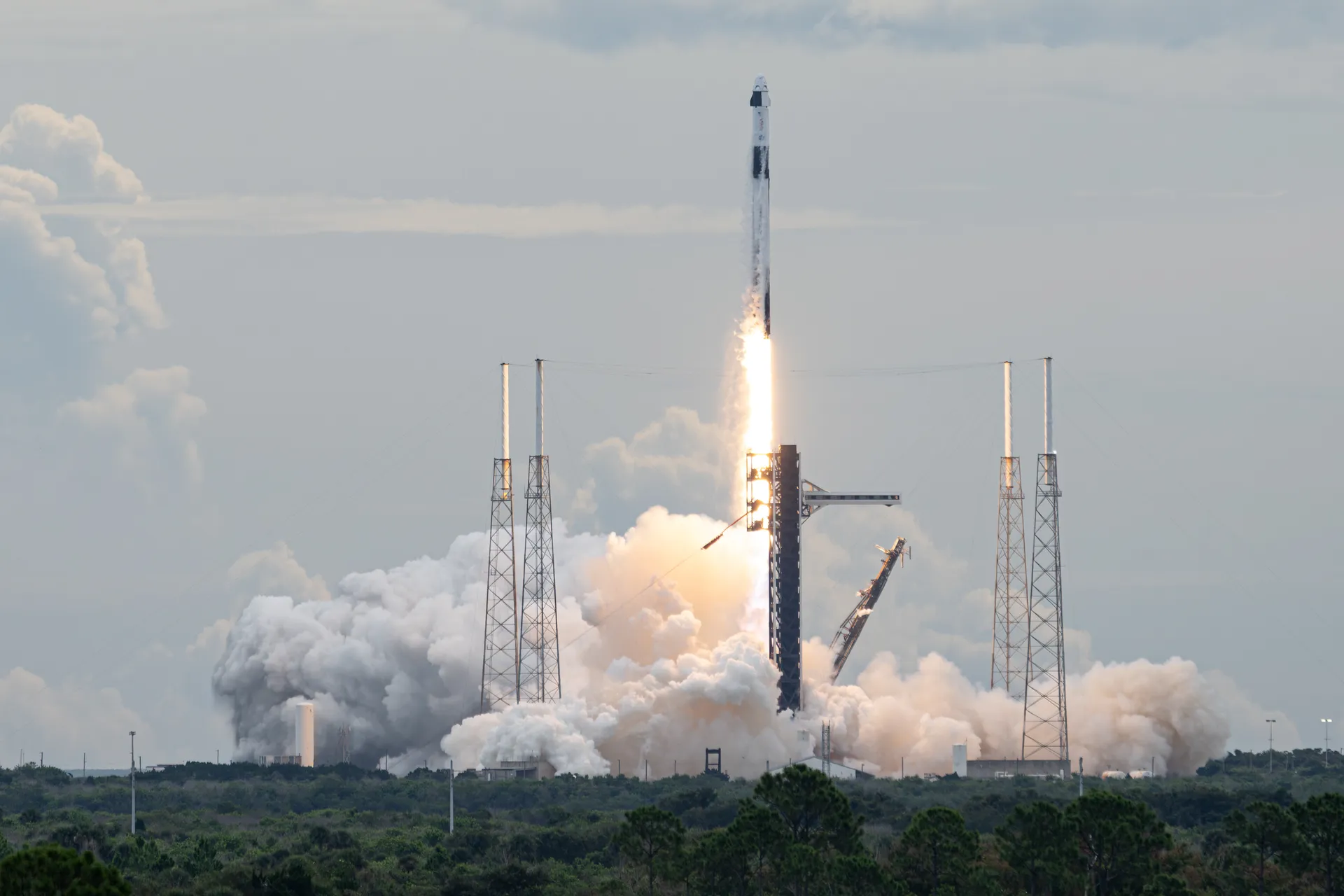
On September 18, 2026, NASA bought three more SpaceX missions, Crew-15, Crew-16 and Crew-17, for $946 million, including ground, launch, in-orbit, return and recovery operations, cargo and a lifeboat capability while docked. The purchase brings SpaceX’s contract to 17 missions and $5.92 billion, with mission readiness dates in 2027 and 2028.12 On October 1, Crew-13 lifted off from Cape Canaveral with NASA astronauts Jessica Watkins and Luke Delaney, Canadian Space Agency astronaut Joshua Kutryk and Roscosmos cosmonaut Sergey Teteryatnikov, on a flight planned to reach the station in just under eight hours.13
Starliner’s place was redefined in November 2025, when NASA and Boeing cut the firm order from six missions to four, with two as options, and made Starliner-1 an uncrewed cargo flight to validate the upgrades in orbit.9 On September 28, 2026, NASA said Boeing had modified the service module to improve its thermal environment and that the two would also redesign the thruster valves to stop their poppet seals from extruding. Starliner-1 could fly in December 2026 or January 2027 as an engineering evaluation. NASA intends to exercise the options for a fifth and sixth flight and to certify ULA’s Vulcan rocket for Starliner after the Atlas V’s last flight; Isaacman said the plan is to return astronauts on Starliner-2 by 2028.10 Woody Hoburg will command that flight.11
As SpaceX has publicly stated, the Dragon and the Falcon won’t be around forever. Certifying Boeing’s Starliner is important for both supporting ISS and also for follow-on future commercial destinations.
What Starliner-1 cannot do is the part a crew depends on. A cargo flight cannot test crewed undocking from the station or a safe crewed return to Earth, so several certification steps will remain open until a crew flies.1
Sources
The text above is drawn from these 13 sources. Government works are adapted closely; company and press material is summarized. Numbers in the text point here. Last checked October 1, 2026.
Show all 13 sourcesShow fewer
Continue
Related stories
- ISSHow five space agencies assembled the largest structure ever flown, what it has cost the United States, why its oldest Russian tunnel leaks, and how NASA plans to bring it down after 2030.
- Falcon 9NASA paid for milestones, not a rocket of its own design. The result now flies half the world’s launches and every American crew to orbit.
- Life in orbitTwenty-five years of continuous occupation have given the station a daily routine: private sleep stations, a pantry without a refrigerator, two and a half hours of exercise, recycled water, spacewalks and experiments on the crew.