Starliner
Boeing’s crew capsule, ordered alongside Dragon in 2014 and still not certified to carry crews.
- Status
- In development
- First flight
- 2019
- December 20
- Size
- 5 m
- 16 ft
- Diameter
- 4.6 m
- 15 ft
- Built by
- Boeing
- $4.2B
- Boeing’s original 2014 contract, maximum value
- Dec 2026–Jan 2027
- earliest uncrewed Starliner-1 flight, per NASA (September 2026)
- 2028
- NASA’s target for flying astronauts again, on Starliner-2
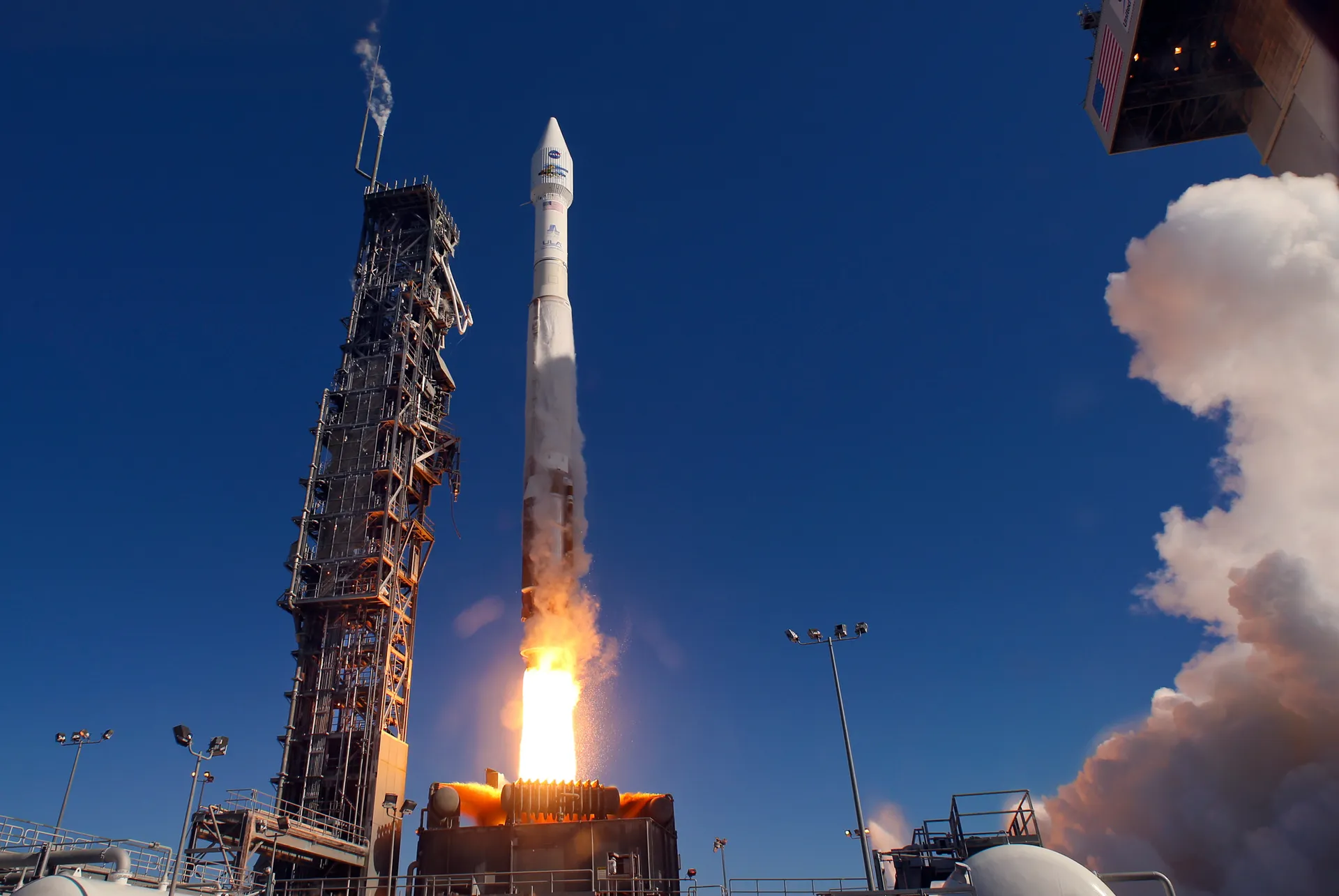
Boeing’s CST-100 Starliner is one of two spacecraft NASA ordered in September 2014 to carry astronauts to the International Space Station; Boeing’s firm fixed-price contract was worth up to $4.2 billion, against $2.6 billion for SpaceX. CST stands for Crew Space Transportation, and 100 for the Kármán line, 100 kilometers up. Once certified, Starliner is to carry up to four NASA crew members and about 220 pounds of cargo, launching on a United Launch Alliance Atlas V.
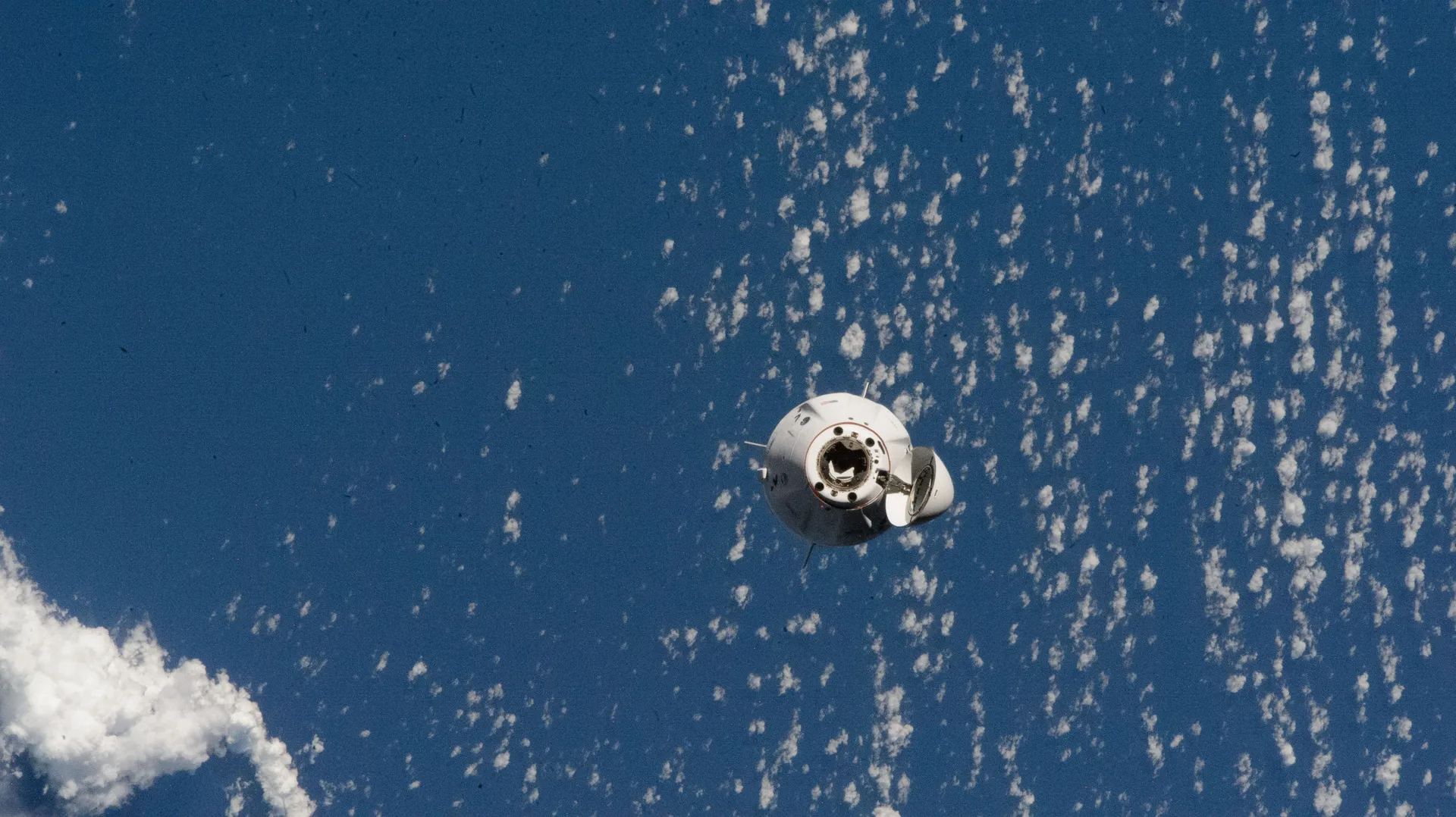
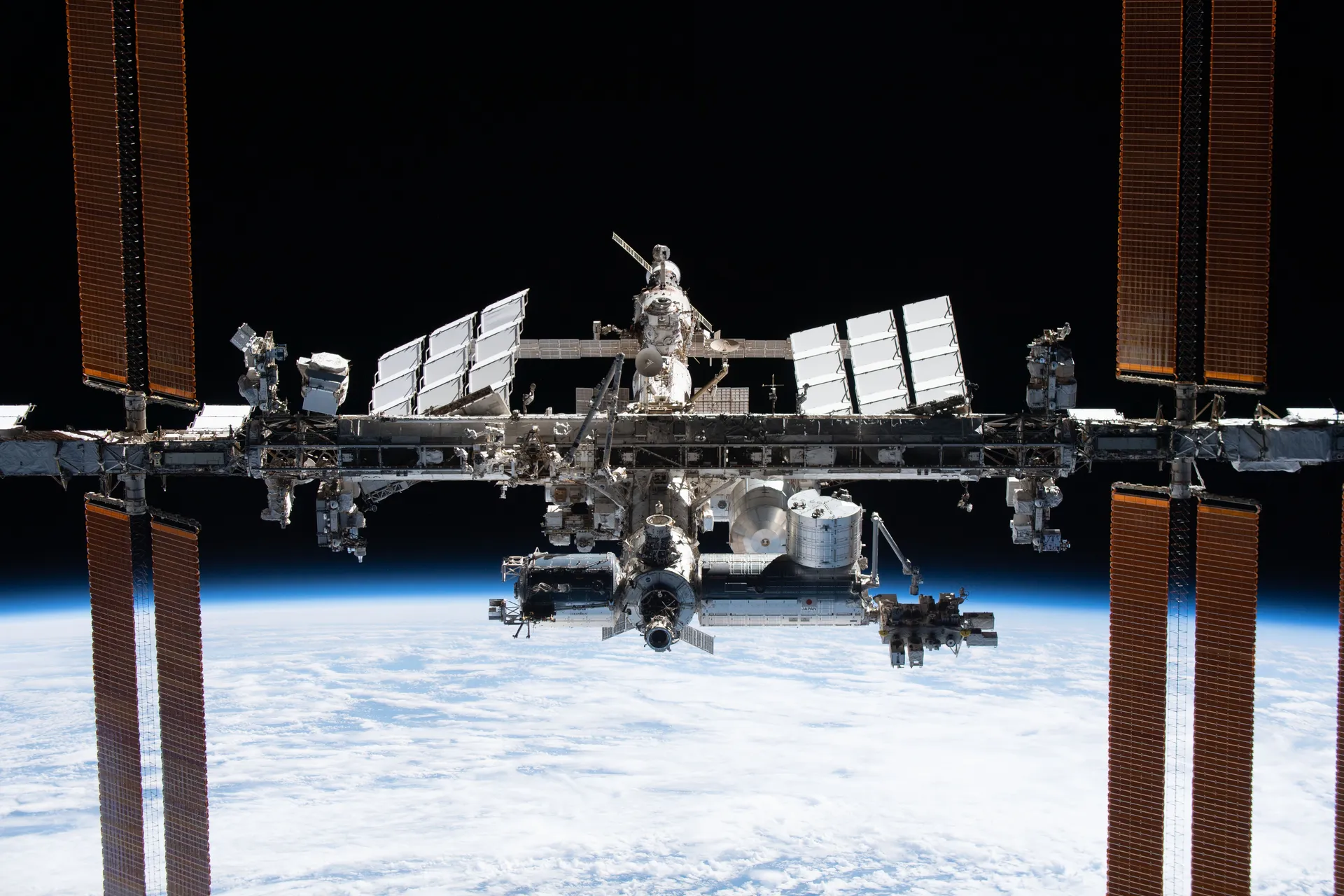
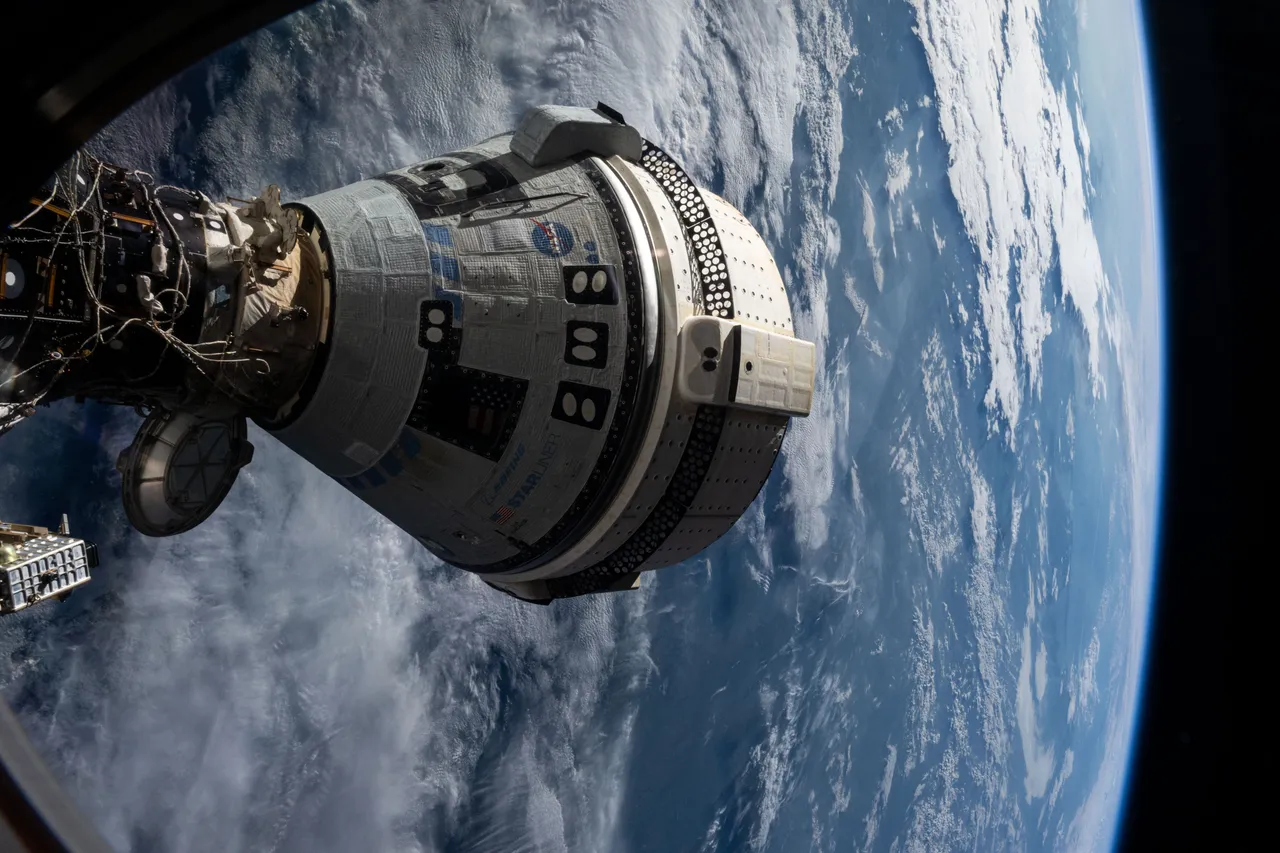
The first uncrewed Orbital Flight Test, launched on December 20, 2019, did not reach the station: a software timing error left it unable to dock. A second uncrewed test docked there in May 2022. The Crew Flight Test launched Butch Wilmore and Suni Williams on June 5, 2024. On the approach to the station five service-module thrusters overheated and failed; Wilmore took manual control, and controllers recovered four of them before docking. Helium leaks persisted through the mission. NASA brought Starliner home without crew in September 2024, and the two astronauts returned with NASA’s SpaceX Crew-9 mission on March 18, 2025. On February 19, 2026, NASA declared the flight a Type A mishap, its most serious category.
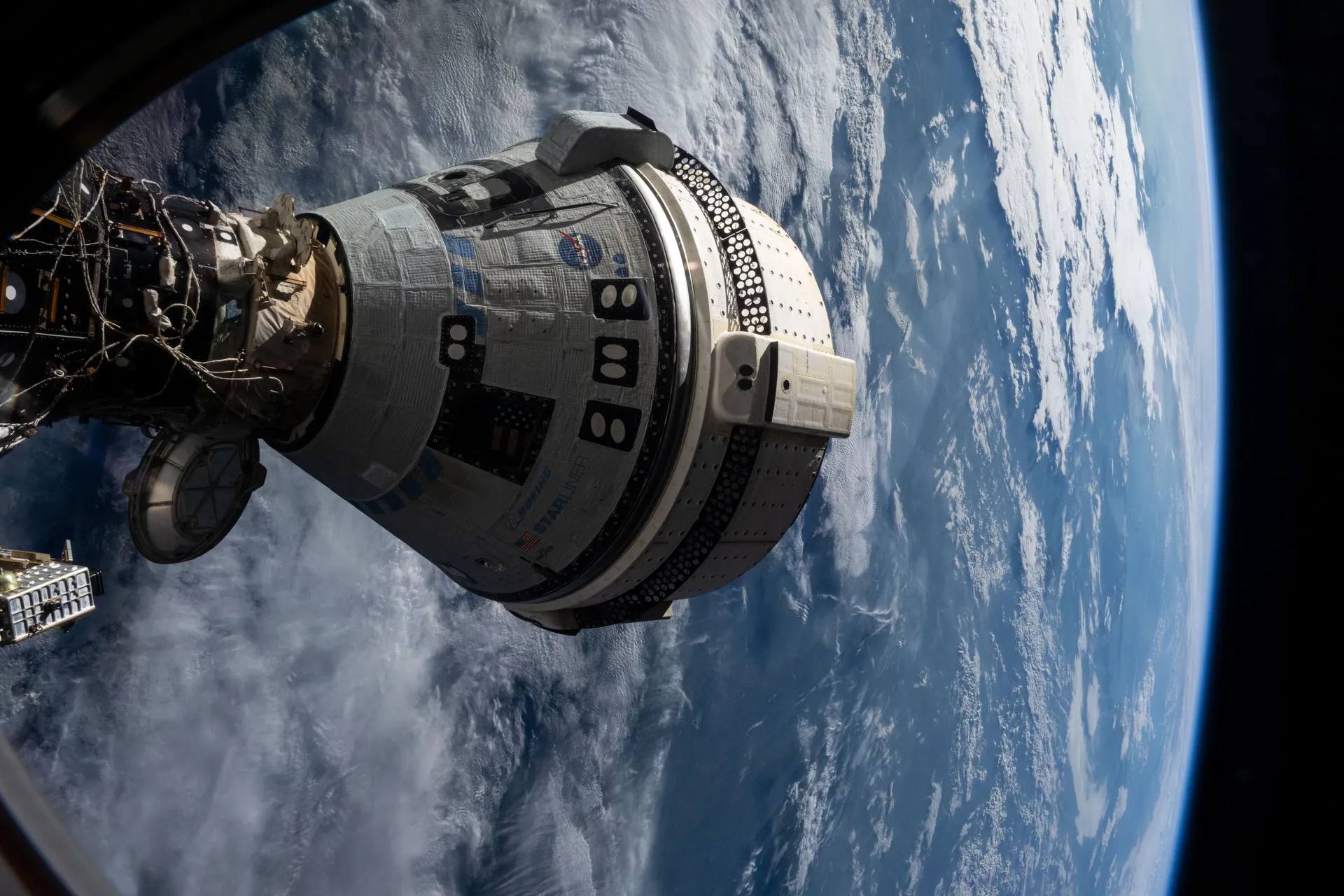
In November 2025 NASA cut Boeing’s firm order to four flights, with two more as options, and made the next mission, Starliner-1, an uncrewed cargo flight. On September 28, 2026, NASA said Boeing had made thermal changes to the service module, where the thrusters had overheated, and that the two would also redesign the thruster valves. Starliner-1 could fly in December 2026 or January 2027 as an engineering evaluation of those changes. NASA said it intends to exercise both options, will work to certify ULA’s Vulcan to launch Starliner after the last Atlas V, and plans to fly astronauts again on Starliner-2 by 2028. As of November 9, 2026, no launch date had been set.
Where Starliner appears in the atlas
Sources
- 1
- 2
- 3
- 4
- 5
- 6
- 7
- 8
- 9
- 10