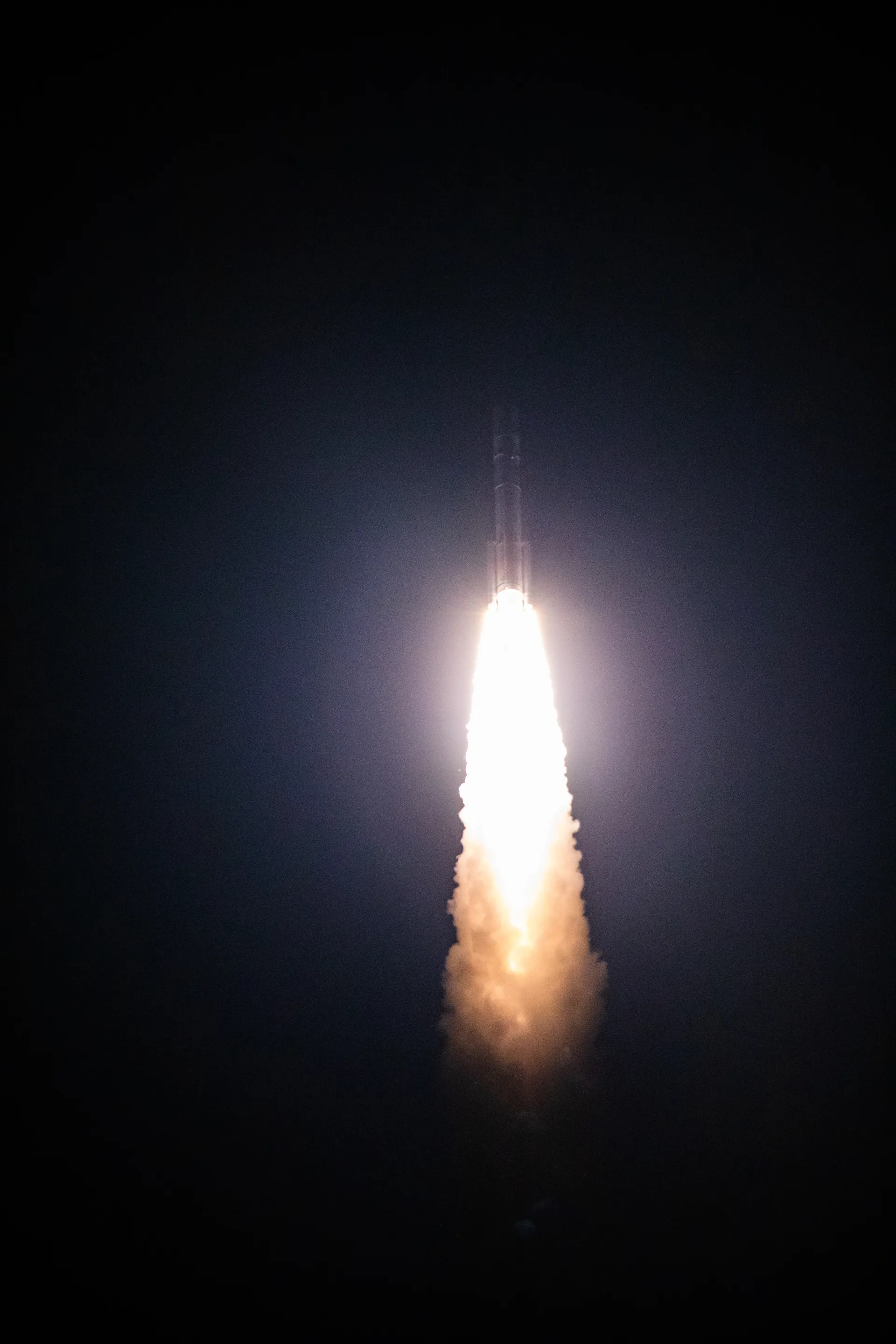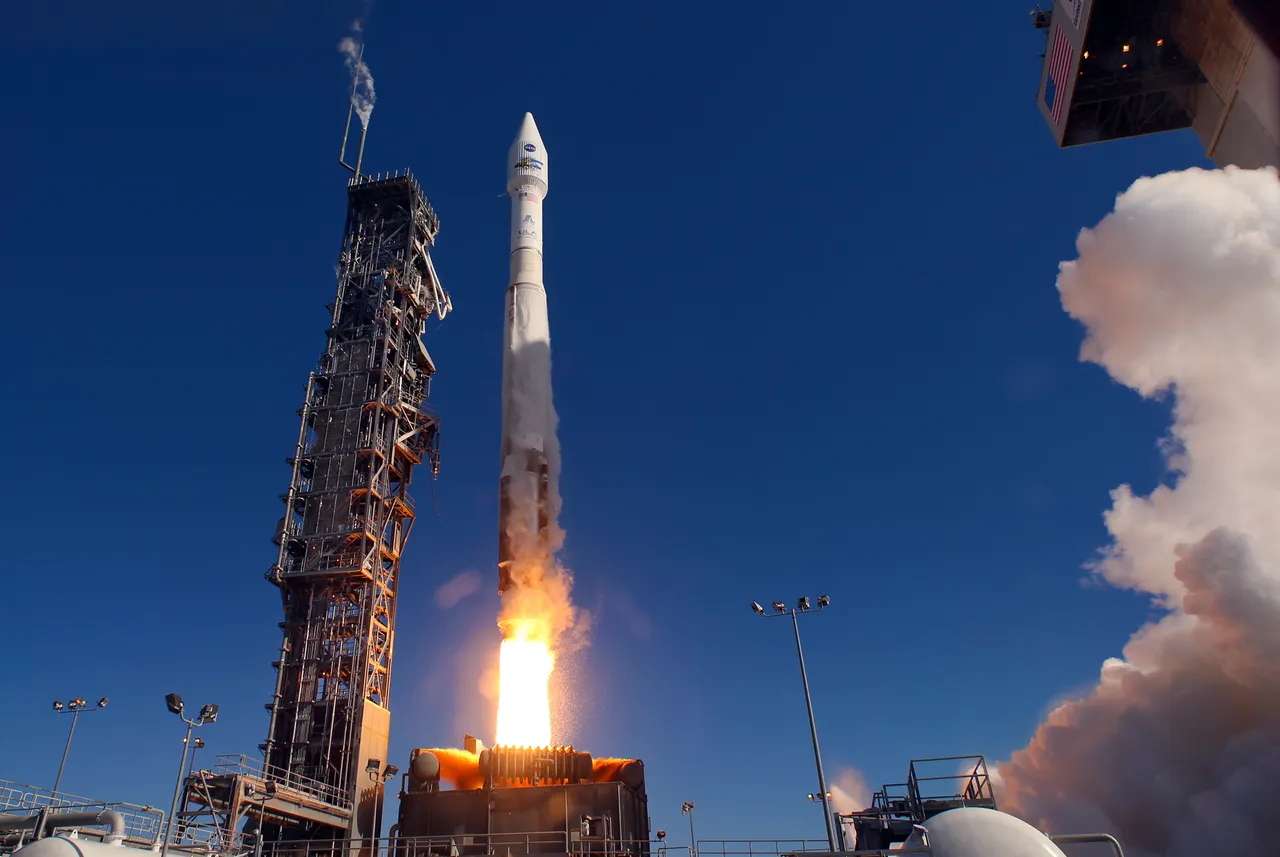
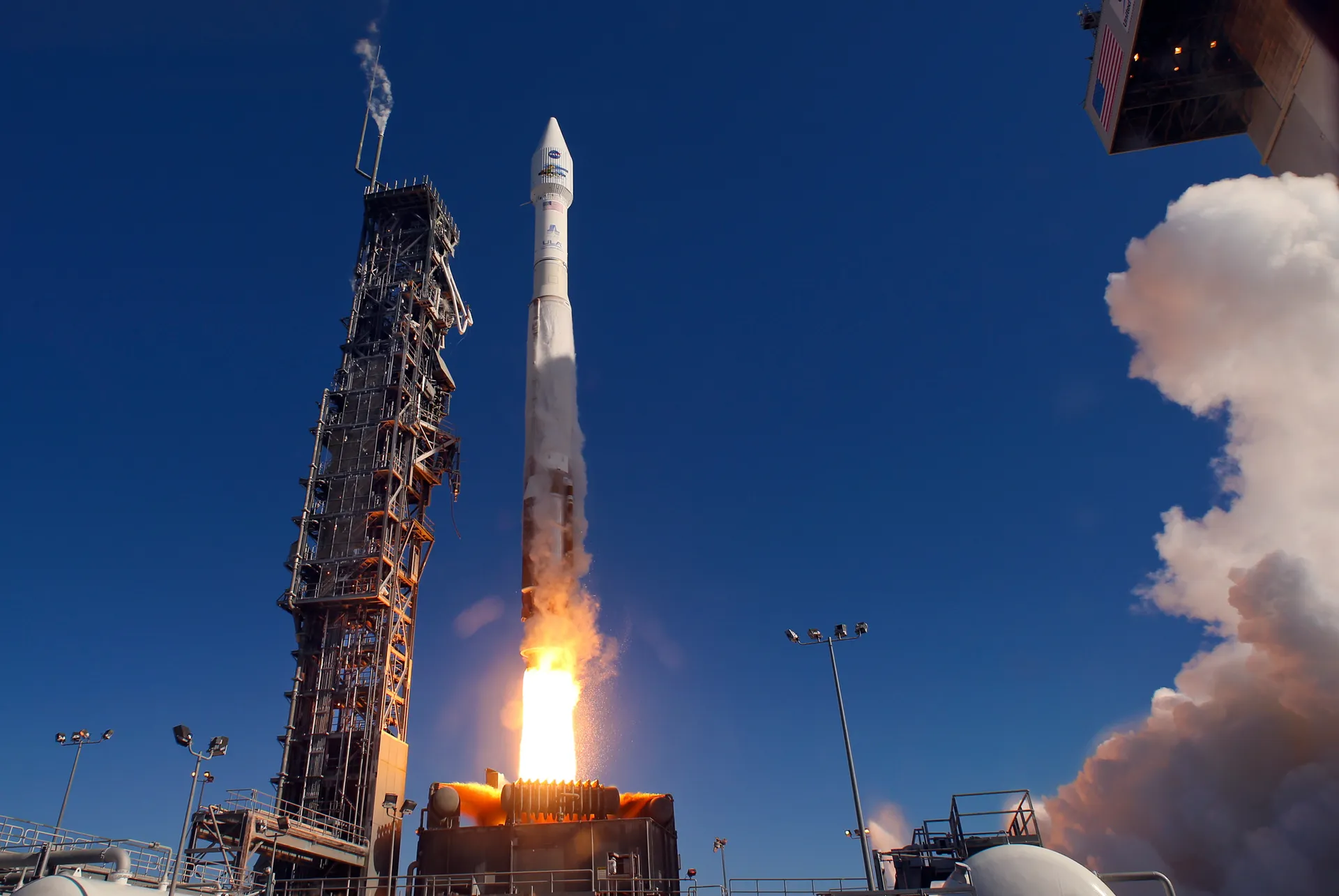
Atlas V
A long-serving launcher for NASA science missions and national-security satellites, now being retired.
- Type
- Rocket
- Status
- Flying
- First flight
- August 21, 2002
- Height
- 58.2 m (191 ft)
- Built by
- ULA
- 110
- launches, 2002–July 2026
- 6
- rockets left, all reserved for Boeing’s Starliner (July 2026)
Atlas V has flown since 2002 and is operated by United Launch Alliance, the Boeing–Lockheed Martin venture formed in 2006. Its 3.8-meter-wide common core booster burns kerosene and liquid oxygen in a single Russian-built RD-180 engine. Up to five solid rocket boosters and a Centaur upper stage complete the rocket, which stands 57 to 66 meters tall depending on its payload fairing.
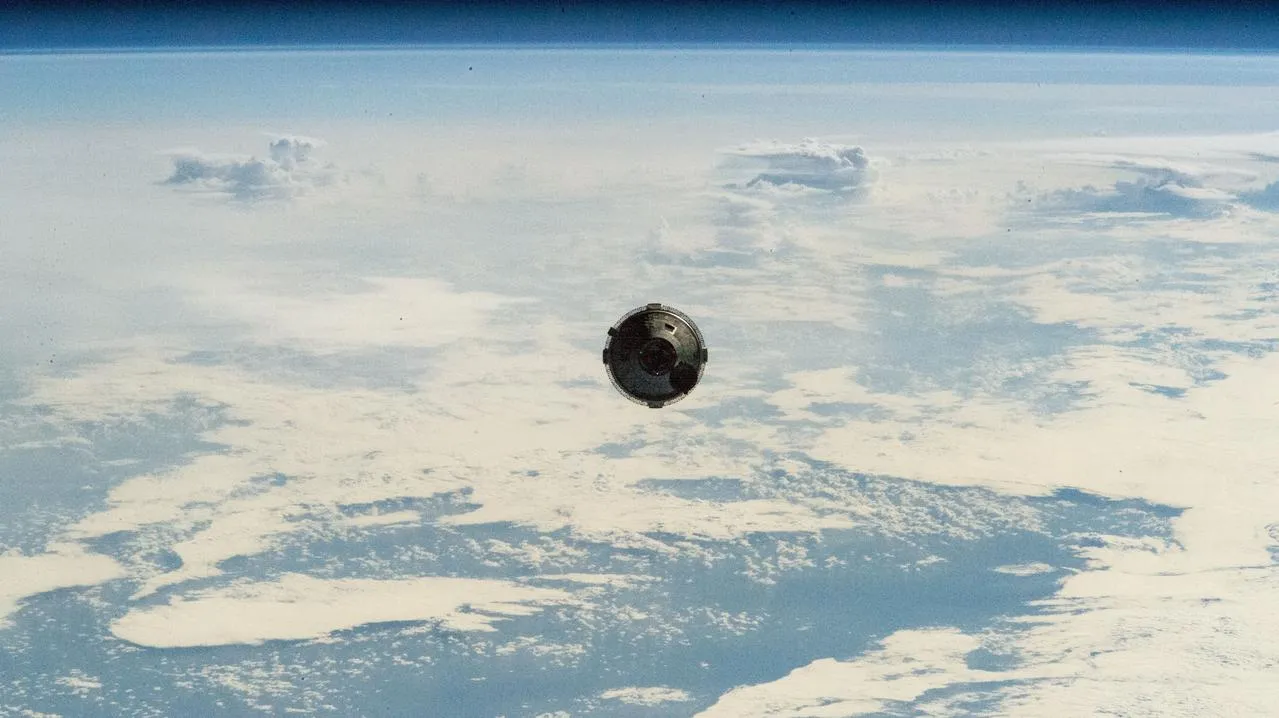
NASA has launched many science missions on Atlas V, including New Horizons in 2006 and the Curiosity and Perseverance Mars rovers, and the rocket carried Boeing’s Starliner on all three of its test flights. Dependence on the Russian engine is one reason ULA developed Vulcan to replace Atlas V.
ULA is flying out its remaining Atlas Vs. The 110th launch, on July 2, 2026, carried 29 Amazon Leo satellites and was the last Atlas V not reserved for Starliner; the six rockets left are all for Boeing. In September 2026 NASA said it will work with Boeing and ULA to certify Vulcan for Starliner flights after Atlas V’s final flight.
Read more about Atlas V
Sources
- 1
- 2
- 3
- 4
- 5
- 6