New Horizons
The probe that flew past Pluto in 2015 and Arrokoth in 2019.
- Type
- Probe
- Status
- Operating
- First flight
- January 19, 2006
- Size
- 2.7 m (9 ft)
- Built by
- NASA
- July 14, 2015
- first close flyby of Pluto
- Jan 1, 2019
- flyby of Arrokoth, the most distant object explored up close
- 5.9B mi
- from Earth when it woke from hibernation, June 2026
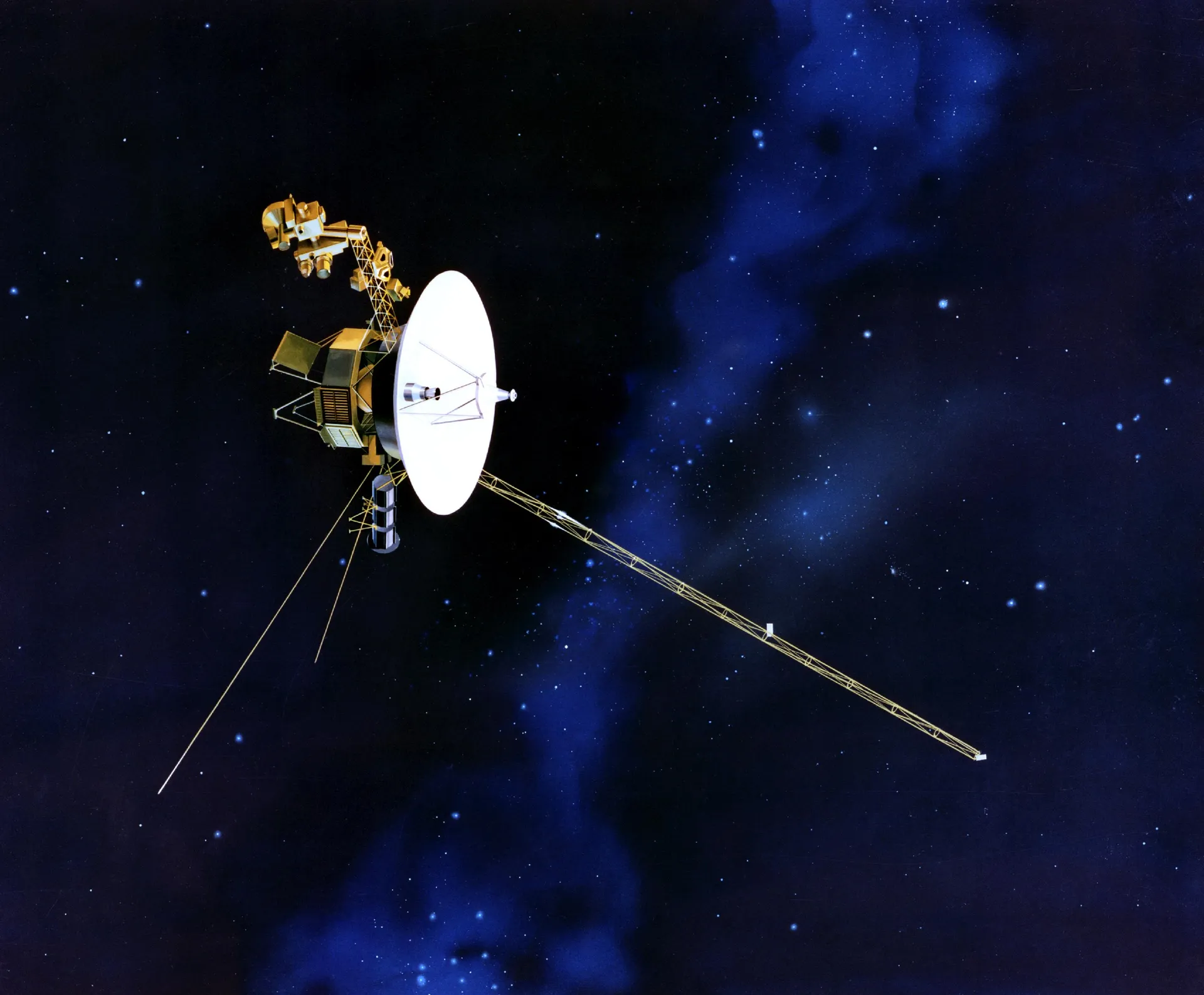
New Horizons, the first mission in NASA’s New Frontiers program, was designed and is operated by the Johns Hopkins University Applied Physics Laboratory. It launched on an Atlas V on January 19, 2006, at about 36,400 miles per hour, the highest launch speed of any human-made object relative to Earth, and a Jupiter flyby in 2007 shortened its trip by three years.
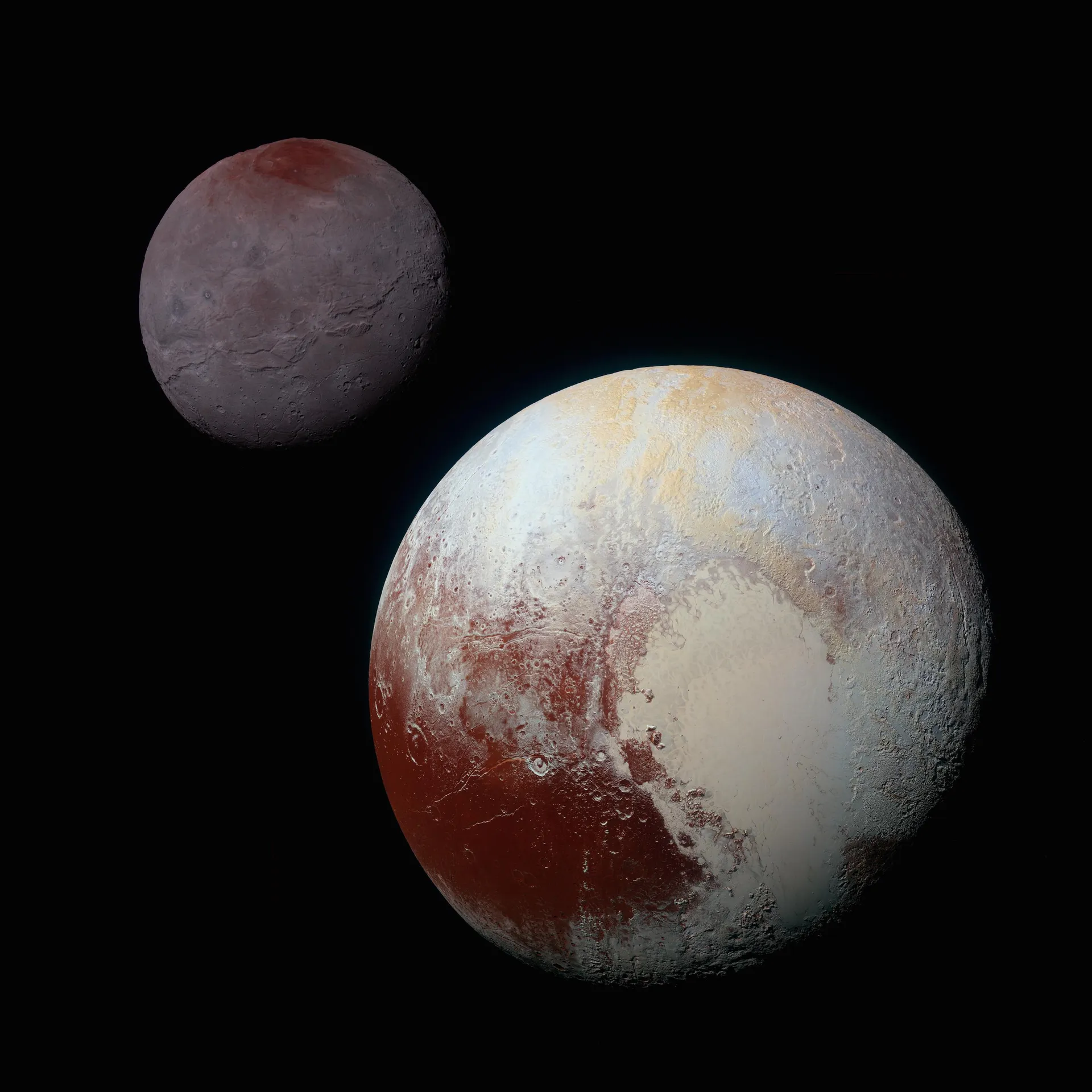
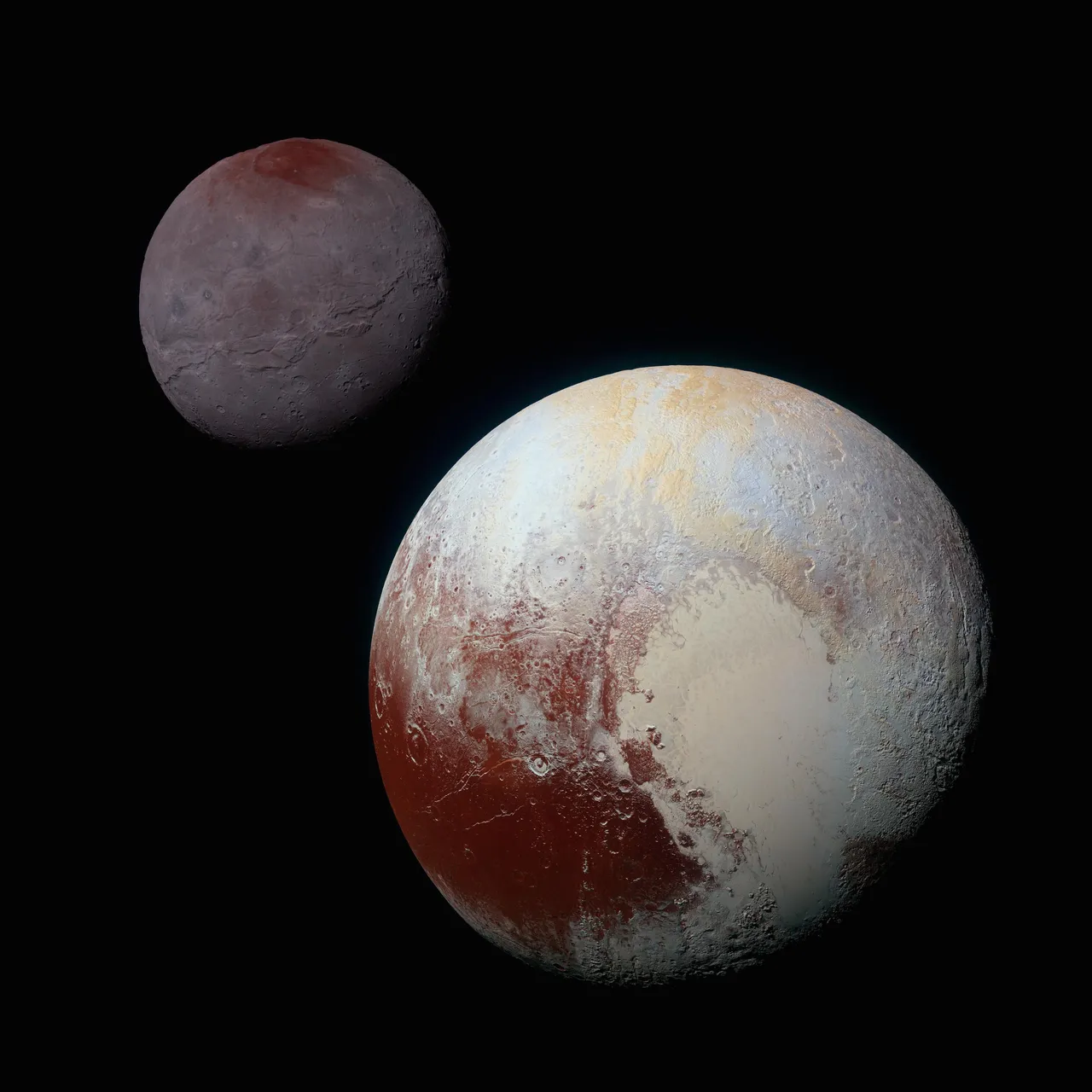
On July 14, 2015, it made the first close flyby of Pluto and its moons, revealing a far more active world than expected, with a heart-shaped nitrogen-ice glacier about 600 miles wide. On January 1, 2019, it flew past Arrokoth, a 22-mile-long Kuiper Belt object 4 billion miles from Earth.
The spacecraft now studies the charged particles and dust of the distant Kuiper Belt. In June 2026 it woke in good health from a 321-day hibernation, about 5.9 billion miles from Earth. Congress funded it for 2026 after the administration proposed ending the mission.