Who builds NASA’s spacecraft, and how the contracts pay them
NASA has always spent most of its money outside its own walls. From Apollo’s 500 contractors to SpaceX and Blue Origin, the question that shapes every program is who carries the risk when costs grow.
NASA/Evan Deroche
Drawn from 18 sources: NASA (8), NASA Office of Inspector General (5), NASA History Office (2), USAspending.gov (U.S. Department of the Treasury) and 2 others. About 7 minutes. Checked October 1, 2026.
When NASA opened in 1958 it was meant to be different from the research committee it replaced in two ways. It would operate spacecraft as well as study them, and it would do the greater part of its work by contract rather than in its own laboratories.1 The Space Act gave it the tools: authority “to enter into and perform such contracts, leases, cooperative agreements, or other transactions as may be necessary in the conduct of its work.”2 Through the 1960s, between 80 and 90 percent of NASA’s budget went to contracts for goods and services, and contracts still take most of NASA’s budget. The choices that matter are which organizations get the work and on what terms—above all, who pays when a project costs more than planned.3
The largest recipients, 2021–2025
NASA contract obligations by recipient, fiscal years 2021–20254
Show the numbers
| who | Obligations, FY2021–2025 |
|---|---|
| Caltech (runs JPL) | $12B |
| Boeing | $7.9B |
| SpaceX | $6.8B |
| Lockheed Martin | $3.6B |
| Amentum | $2.9B |
| Northrop Grumman | $2.3B |
| L3Harris (Aerojet) | $2.2B |
| Blue Origin | $2B |
| Johns Hopkins APL | $1.9B |
| Peraton | $1.7B |
| KBR | $1.7B |
| AURA (runs STScI) | $1.1B |
NASA obligates about $15 billion to $16 billion a year through contracts—roughly two-thirds of its budget.4 The largest single recipient is not an aerospace company. The California Institute of Technology runs the Jet Propulsion Laboratory under a NASA contract, as it has since an executive order transferred the government-owned laboratory and the Army’s Caltech contract to NASA in December 1958. The same contract funds JPL’s management of the Deep Space Network, which keeps contact with NASA’s distant spacecraft.1,4,17
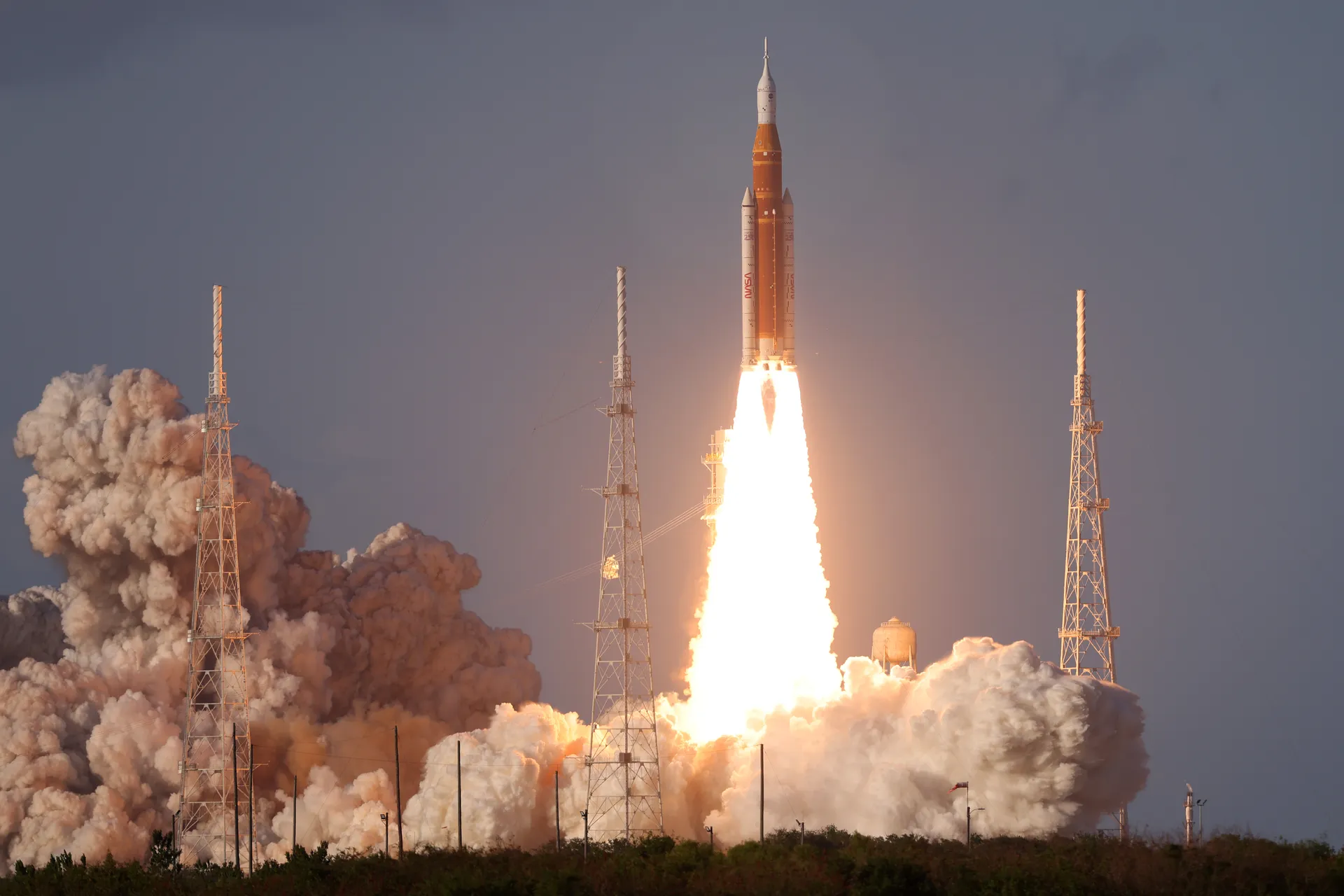
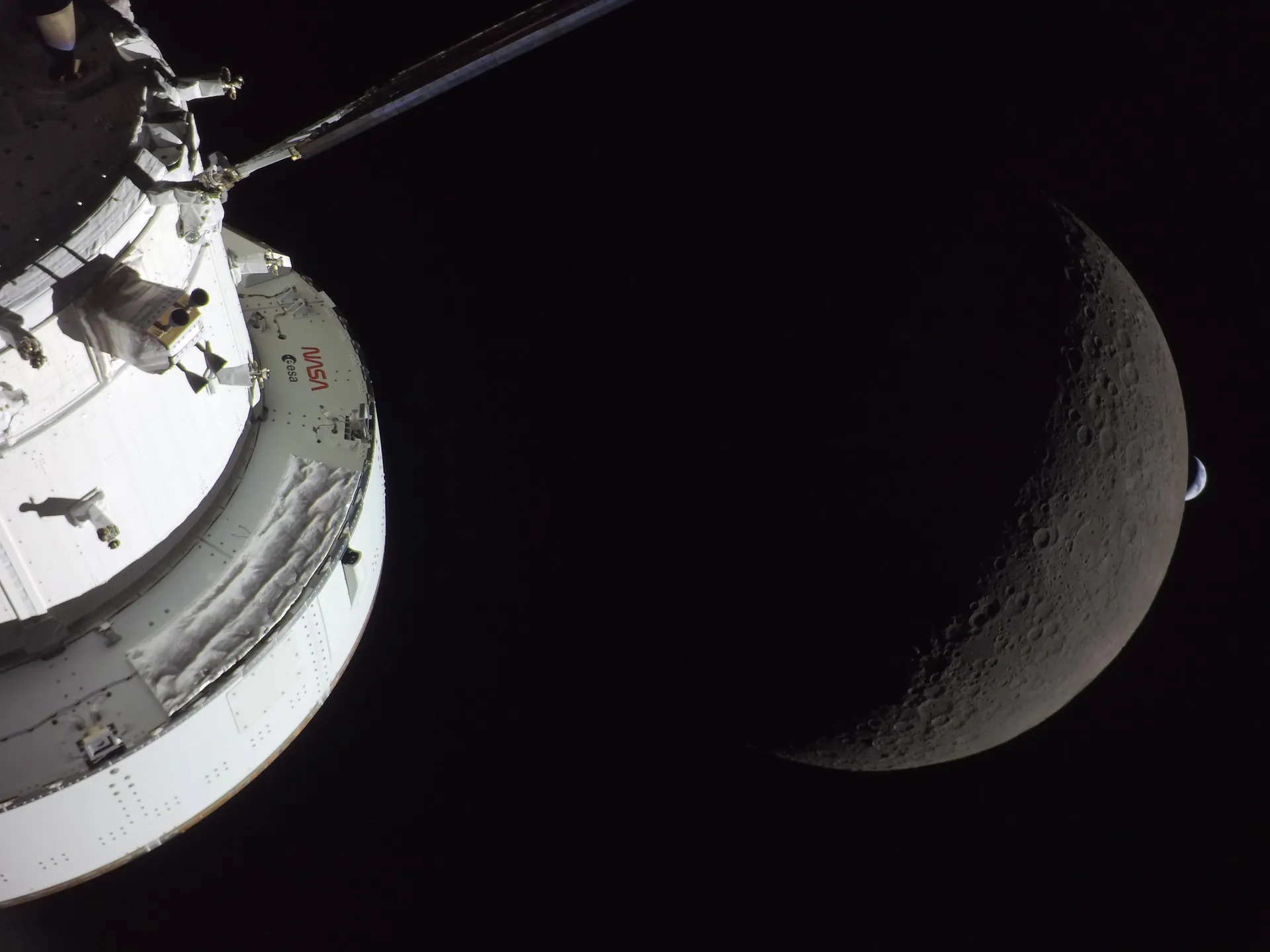
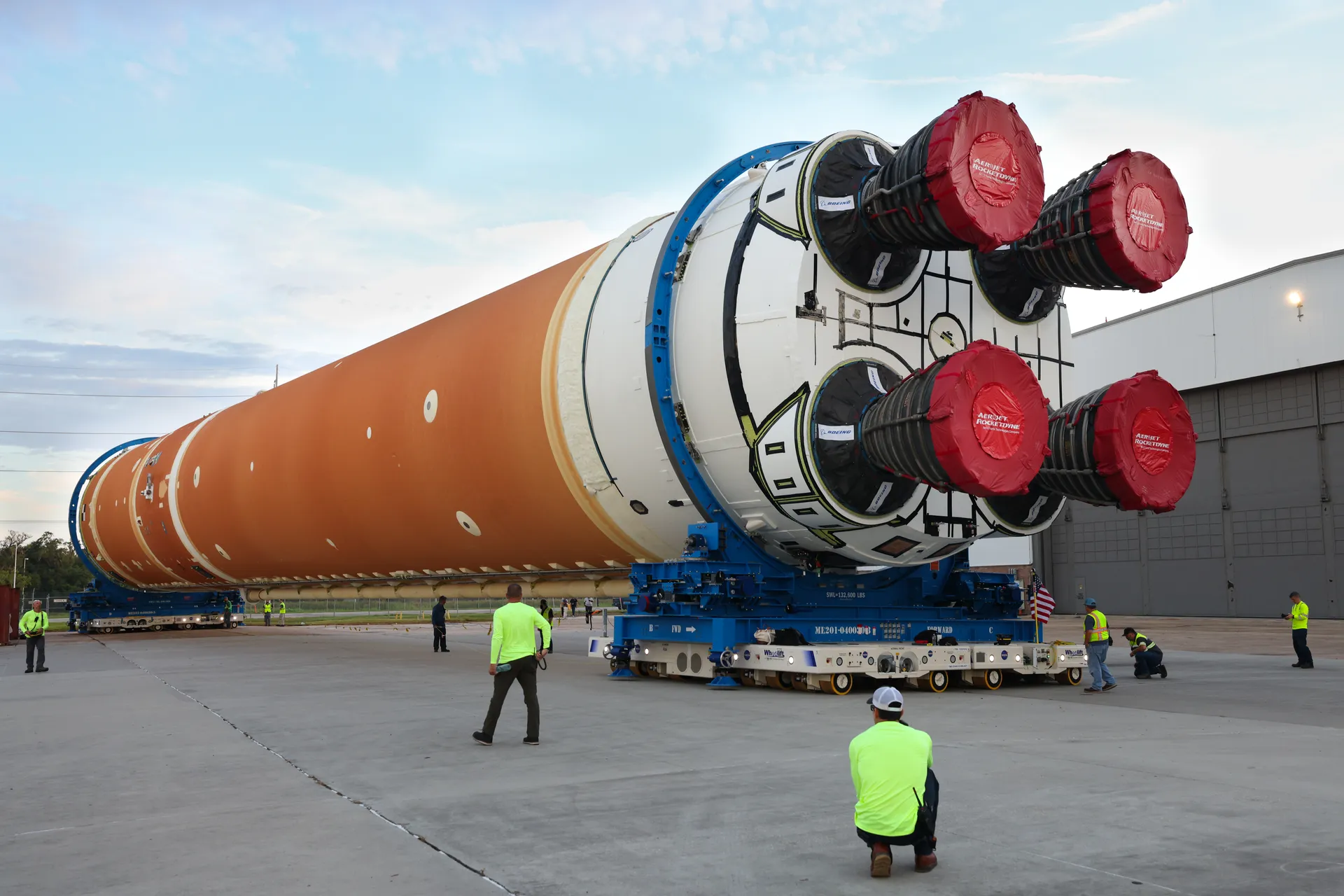
The industrial names map onto the hardware. NASA’s prime contractors for the Space Launch System include Boeing, which builds the core stage; Northrop Grumman, which builds the solid rocket boosters; and Aerojet Rocketdyne, now part of L3Harris, which supplies the RS-25 engines. Lockheed Martin is the lead contractor for Orion. Amentum handles integration, processing, testing, launch and recovery for the ground systems at Kennedy. SpaceX and Blue Origin are developing the lunar landers, and Axiom Space the lunar spacesuit. Together those prime contractors have more than 2,700 suppliers across 47 states.5 SpaceX also flies NASA’s astronauts and much of its cargo to the space station, and Boeing builds Starliner under the same commercial crew program.11,12
Apollo: 500 contractors, and engineers to watch them
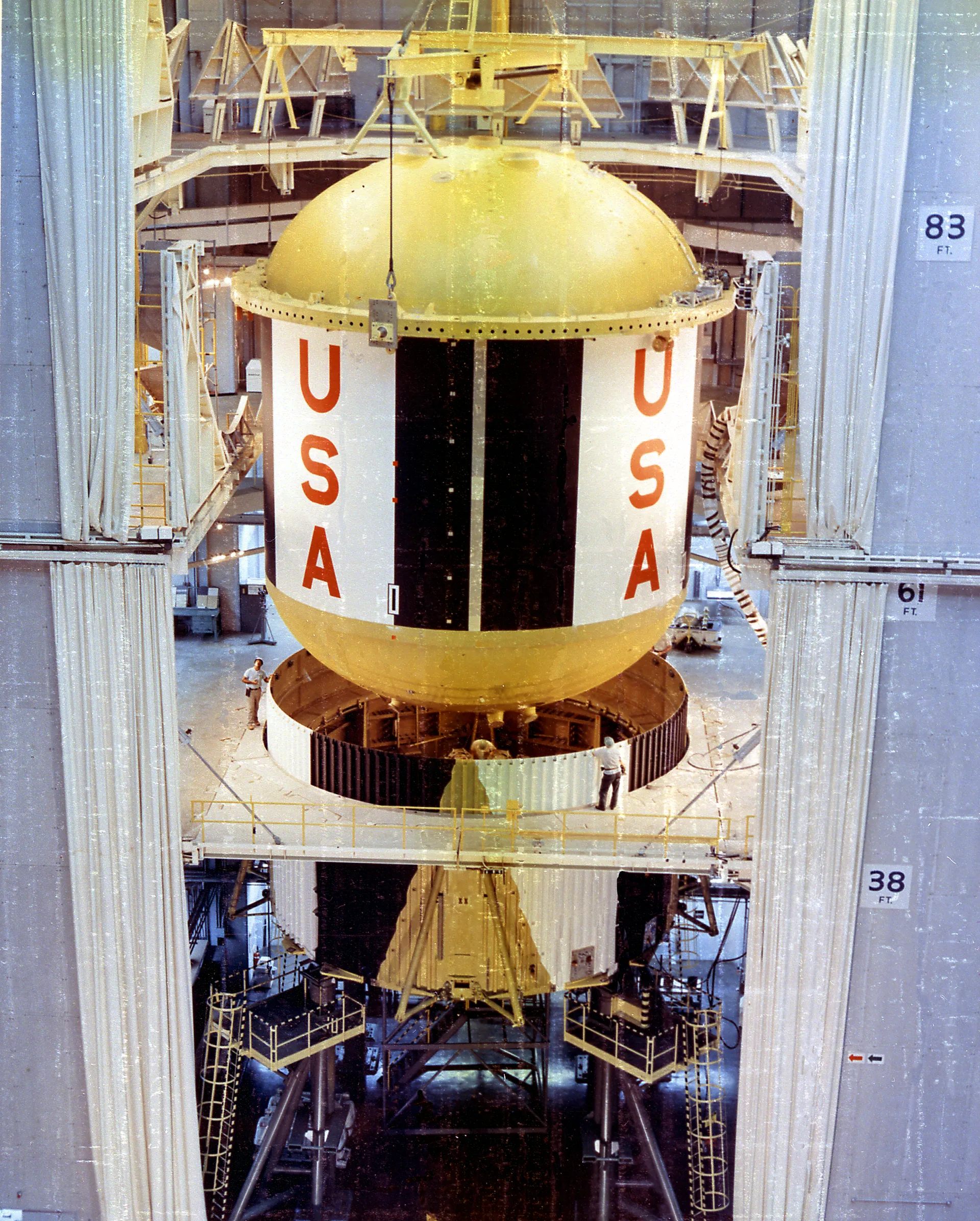
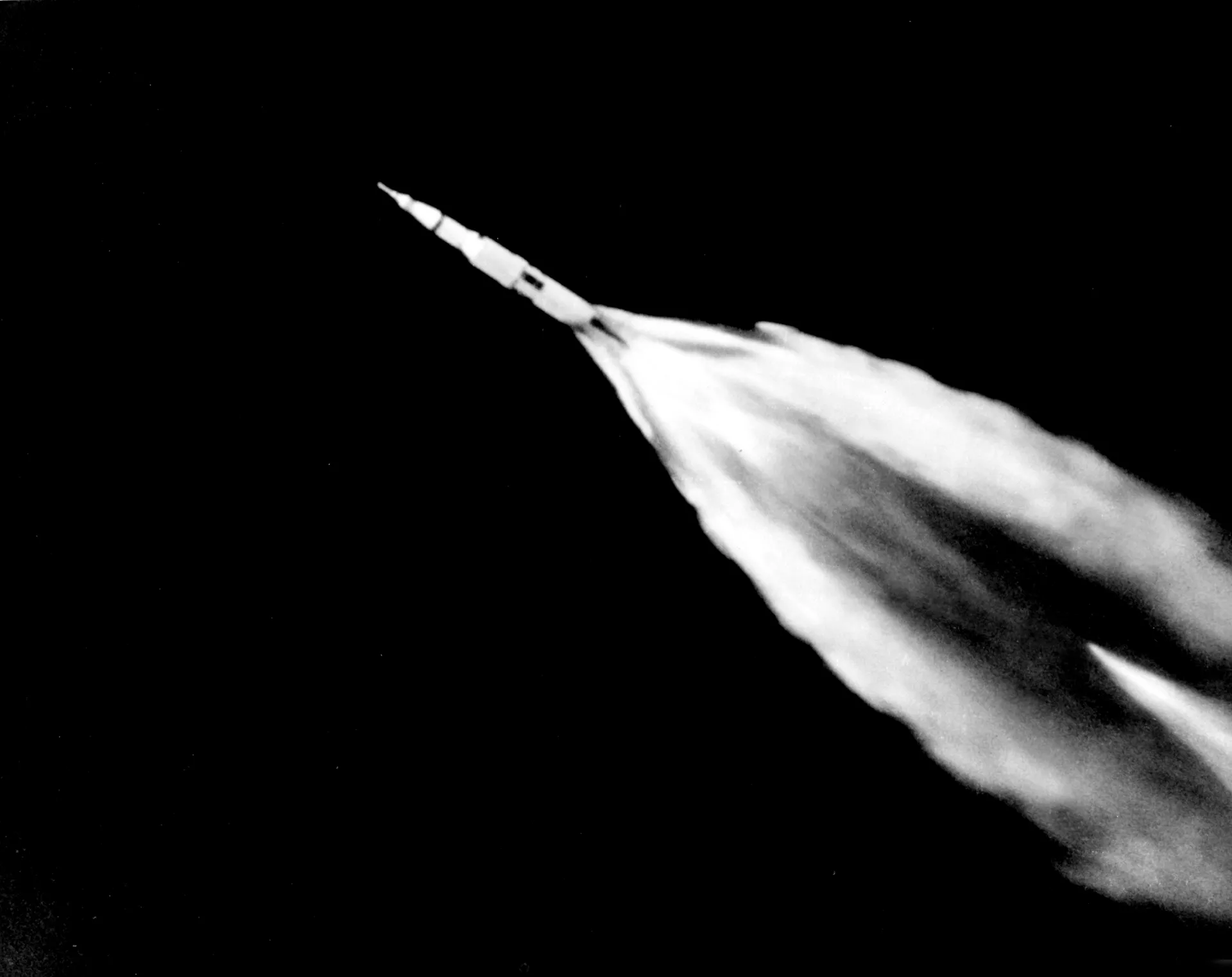
Apollo set the pattern. Contractor employees on NASA work grew tenfold, from 36,500 in 1960 to 376,700 in 1965, while NASA’s own civil service grew from 10,000 in 1960 to 36,000 by 1966, and NASA’s procurement actions rose from about 44,000 a year to almost 300,000. Program director Samuel C. Phillips orchestrated more than 500 contractors; the Saturn V alone was divided among Boeing, North American Aviation, Douglas Aircraft and IBM, and its development cost $9.3 billion.3
Relying on industry meant NASA needed enough in-house expertise to oversee it. After a fight over the quality of North American’s second stage, NASA settled on the 10 percent rule: 10 percent of its funding would go to keeping in-house expertise and, with it, checking contractor reliability.3
Cost-plus, incentive fee, fixed price: who carries the risk
NASA has traditionally used cost-plus contracts for spaceflight development.9 Under that approach, NASA’s Inspector General explains, NASA approves all designs, manages all development and schedules, and owns the vehicle once the contractor delivers it; NASA reimburses allowable costs and pays a fee on top. The arrangement gives NASA maximum control over the design and the final product, but the majority of the cost, schedule and outcome risks are borne by the government. A firm-fixed-price contract, by contrast, provides a set price that does not change even if the contractor’s costs increase, placing full responsibility on the contractor to control costs.8,14
NASA has tried to get between the two for a long time. Gemini’s estimated cost passed a billion dollars in 1963, nearly double the figure approved in December 1961. In 1964, with development almost complete, NASA asked McDonnell to convert its spacecraft contract from a fixed fee to an incentive fee that rose or fell with cost, schedule and performance: between $28.1 million and $55.8 million on a target cost of $712.3 million for the spacecraft contract. Gemini’s historians gave the incentive contracts major credit for savings estimated at $200 million.6
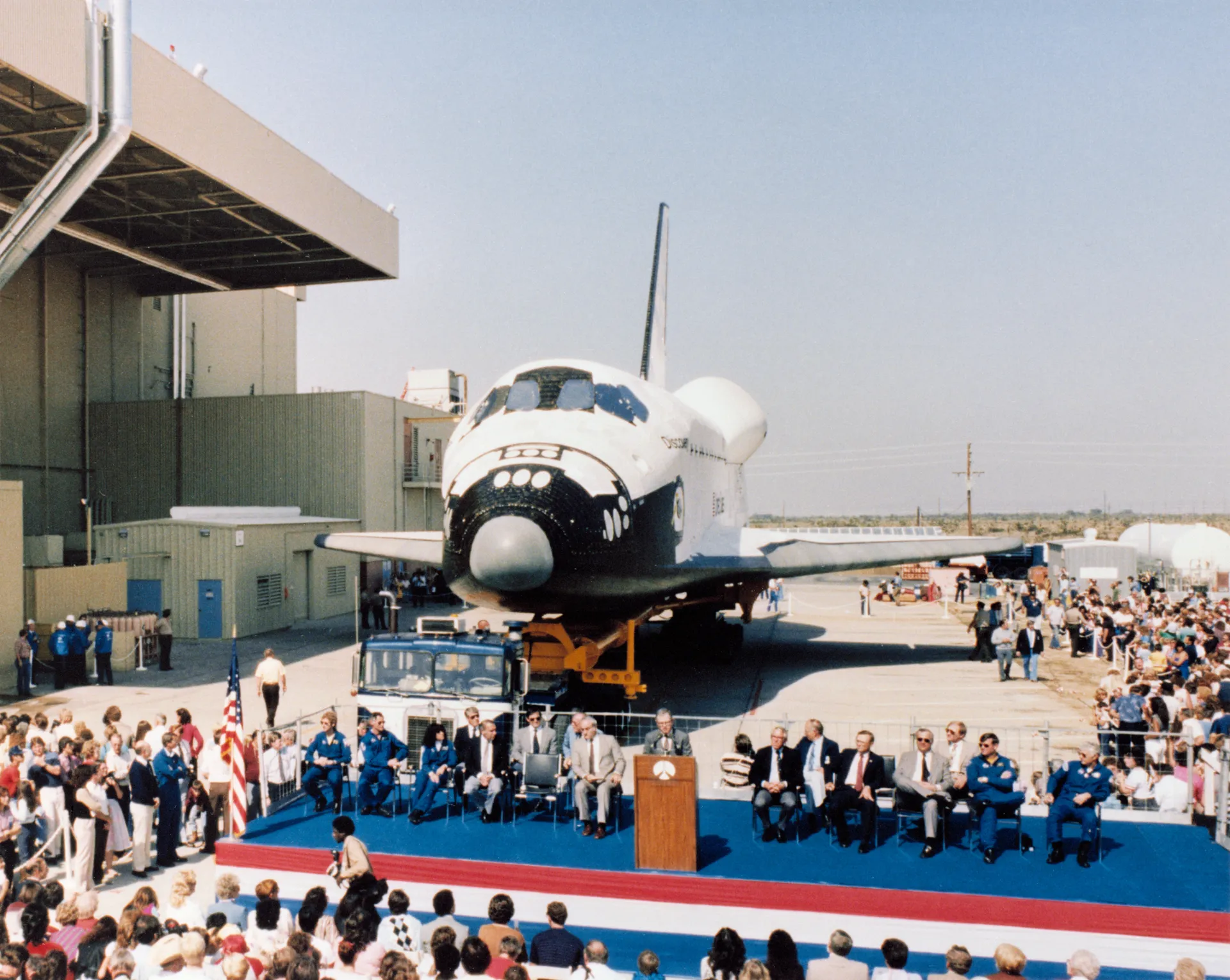
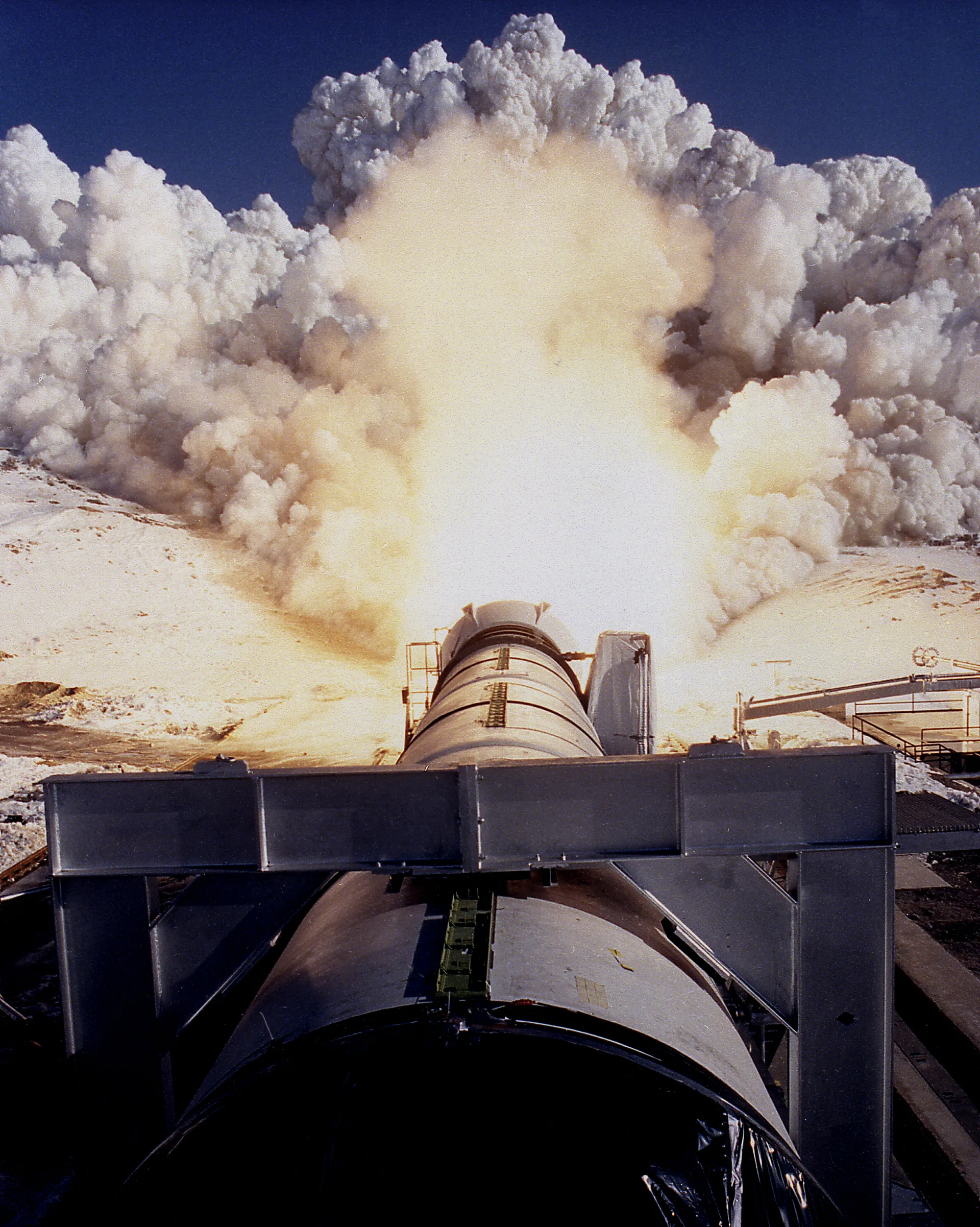
The Shuttle’s contracts were awarded under severe budget pressure. Rocketdyne won the main engine in 1971 and its parent, North American Rockwell, the orbiter in 1972; in 1973 NASA chose Martin Marietta for the external tank and Thiokol for the solid rocket boosters.7 In Thiokol’s case, the Rogers Commission found, costs—particularly those incurred early in the program—were the primary concern of NASA’s selection board.16
SLS and Orion: cost-plus contracts and the largest overruns
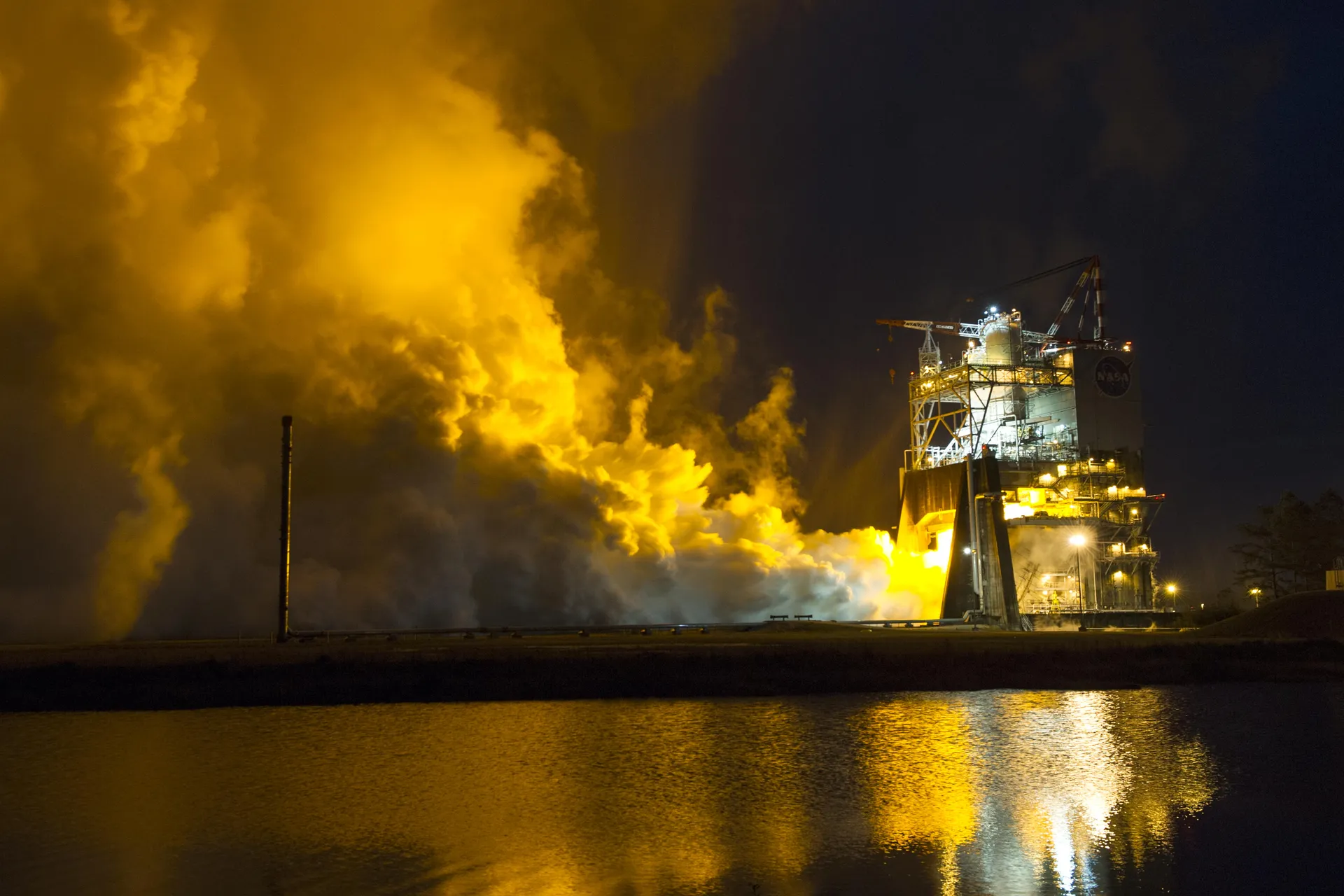
An RS-25 engine for SLS fires on the A-1 test stand at Stennis Space Center, January 2015.
NASA contracted with Boeing in 2012 to build two SLS core stages and an Exploration Upper Stage. The contract combined cost-plus-award-fee, cost-plus-incentive-fee and indefinite-delivery work with a small amount of fixed-price work. By 2018, NASA’s Inspector General reported, $5.3 billion of the $6.2 billion allocated had been spent without delivery of a single core stage; Boeing was projected to spend at least $8.9 billion through 2021, double the amount initially planned, and delivery of the first core stage had slipped two and a half years. Over the same period NASA had rated Boeing’s performance “excellent” or “very good” and paid $323 million, or 90 percent of the available award and incentive fees.8
- $4.1B
- Inspector General’s 2021 estimate of production and operations cost for one SLS/Orion launch9
- ≈75%
- share of the major-project portfolio’s cumulative cost overruns due to Orion, 202610
- $93B
- projected Artemis spending from 2012 through fiscal 2025, per the Inspector General9
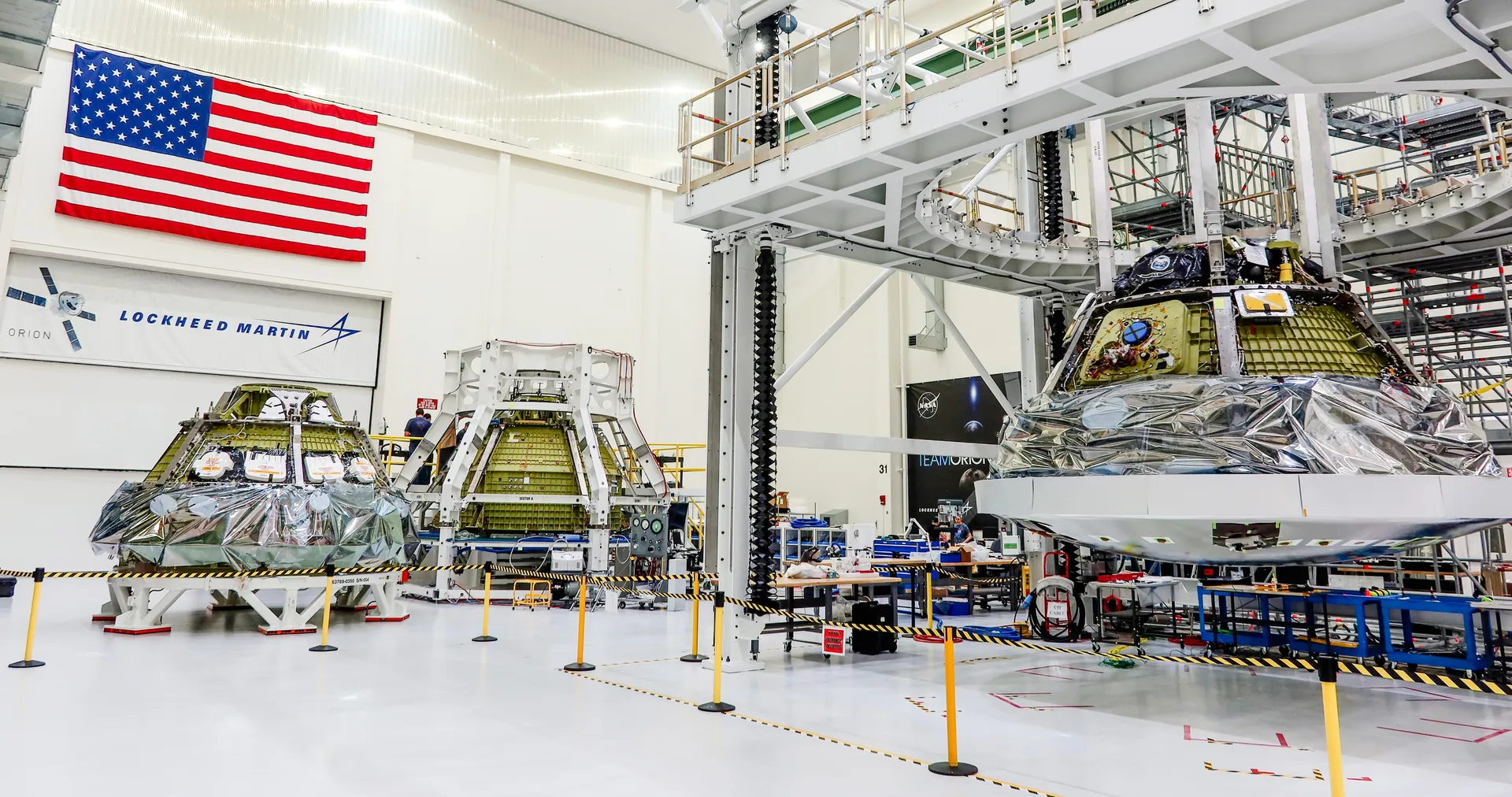
In 2021 the Inspector General projected that NASA would spend $93 billion on Artemis from fiscal 2012 through 2025 and estimated the production and operations cost of a single SLS/Orion launch at $4.1 billion. Among the reasons it gave for the high cost were sole-source, cost-plus contracts, the inability to settle key contract terms in a timely way, and the fact that, except for the Orion capsule, the components are expendable.9 In July 2026, GAO found that Orion accounts for more than half of NASA’s major projects’ annual cost overruns and almost 75 percent of their cumulative overruns.10 In February 2026, NASA stopped planning to use the Exploration Upper Stage and a second mobile launcher, both of which had faced delays, and said it would standardize the rocket, replacing its interim upper stage with a new second stage.15
Commercial cargo: NASA as an investor and a customer
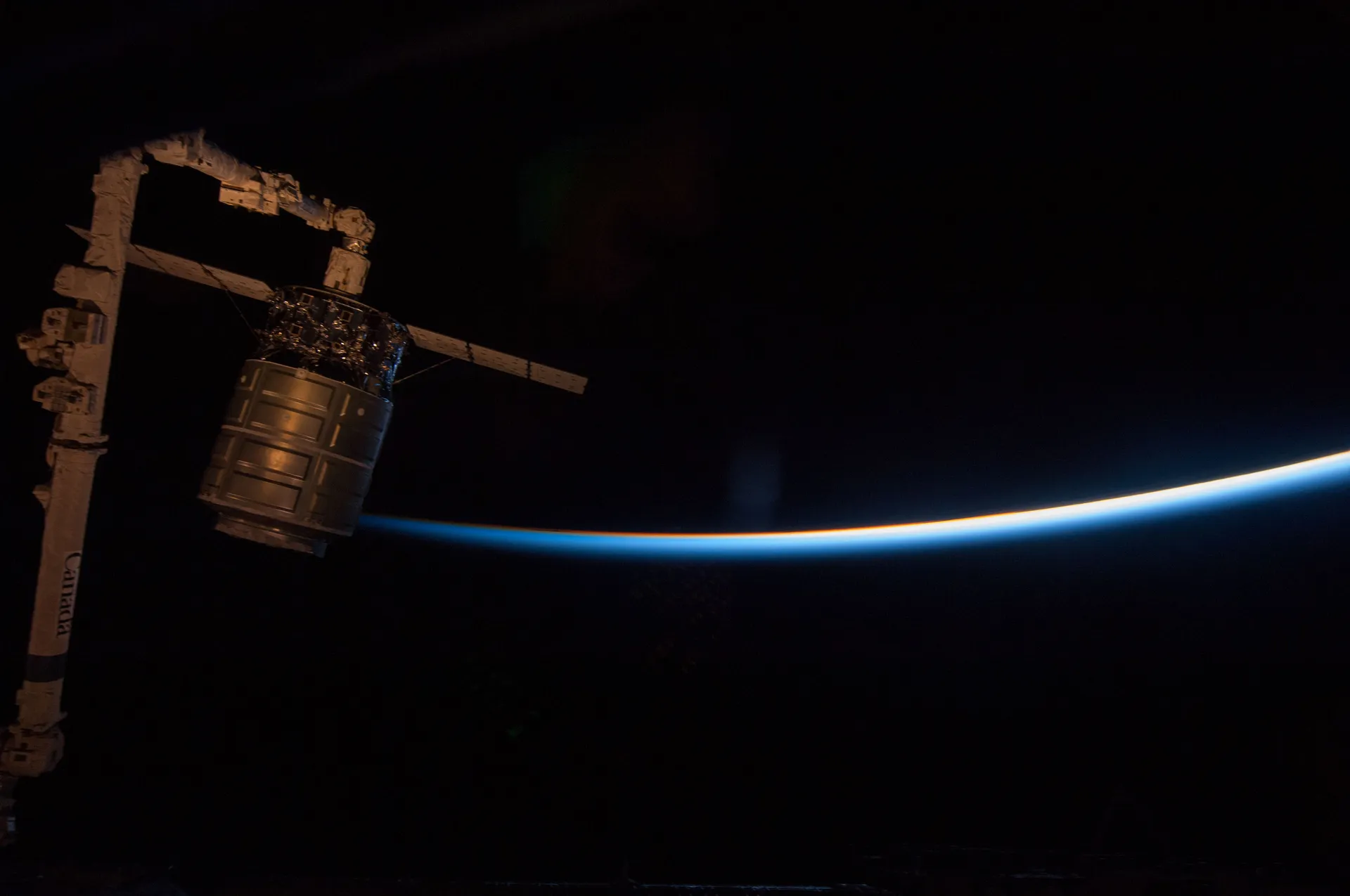
Commercial Orbital Transportation Services, begun in 2006, turned the arrangement around. Under funded Space Act Agreements—the “other transactions” of the 1958 Act—NASA paid fixed amounts only when a company completed predefined milestones, invested a limited amount of government money, left intellectual property with the companies and kept requirements to a minimum. NASA’s milestone payments stayed fixed regardless of the companies’ actual costs.11
NASA paid SpaceX $396 million under COTS and SpaceX financed about $454 million; Orbital Sciences received about $288 million in COTS milestones (about $425 million counting other government money for its Wallops Island launch site) and spent about $590 million of its own. A NASA–Air Force cost model had estimated that developing the Falcon 9 in NASA’s traditional way would cost between $443 million and about $4 billion; the actual cost of developing and demonstrating it was about $400 million. In December 2008 NASA bought the resulting services with ordinary contracts: $1.9 billion for eight Orbital cargo flights and $1.6 billion for twelve SpaceX flights.11
Commercial crew: two fixed-price contracts, two outcomes
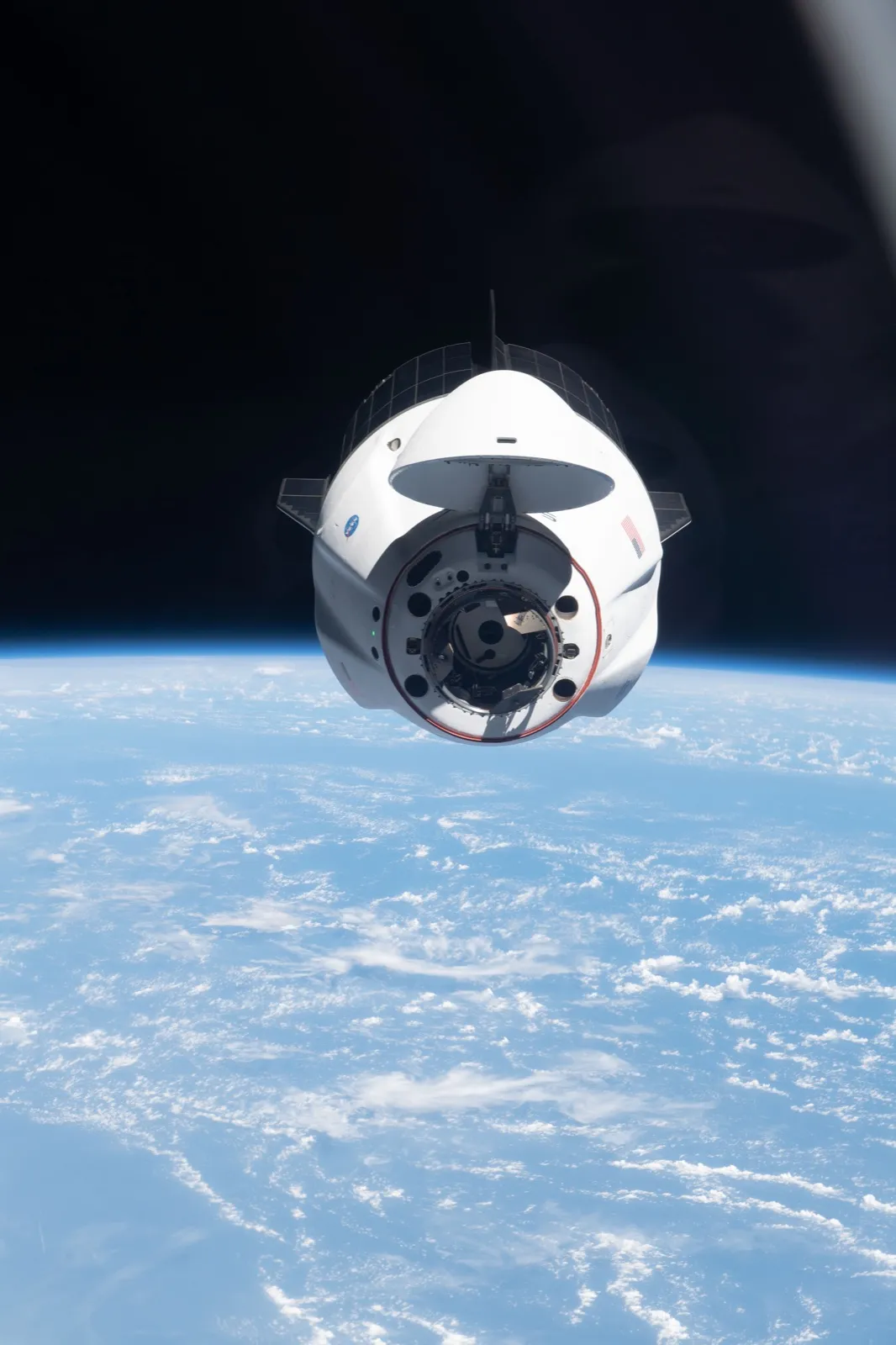
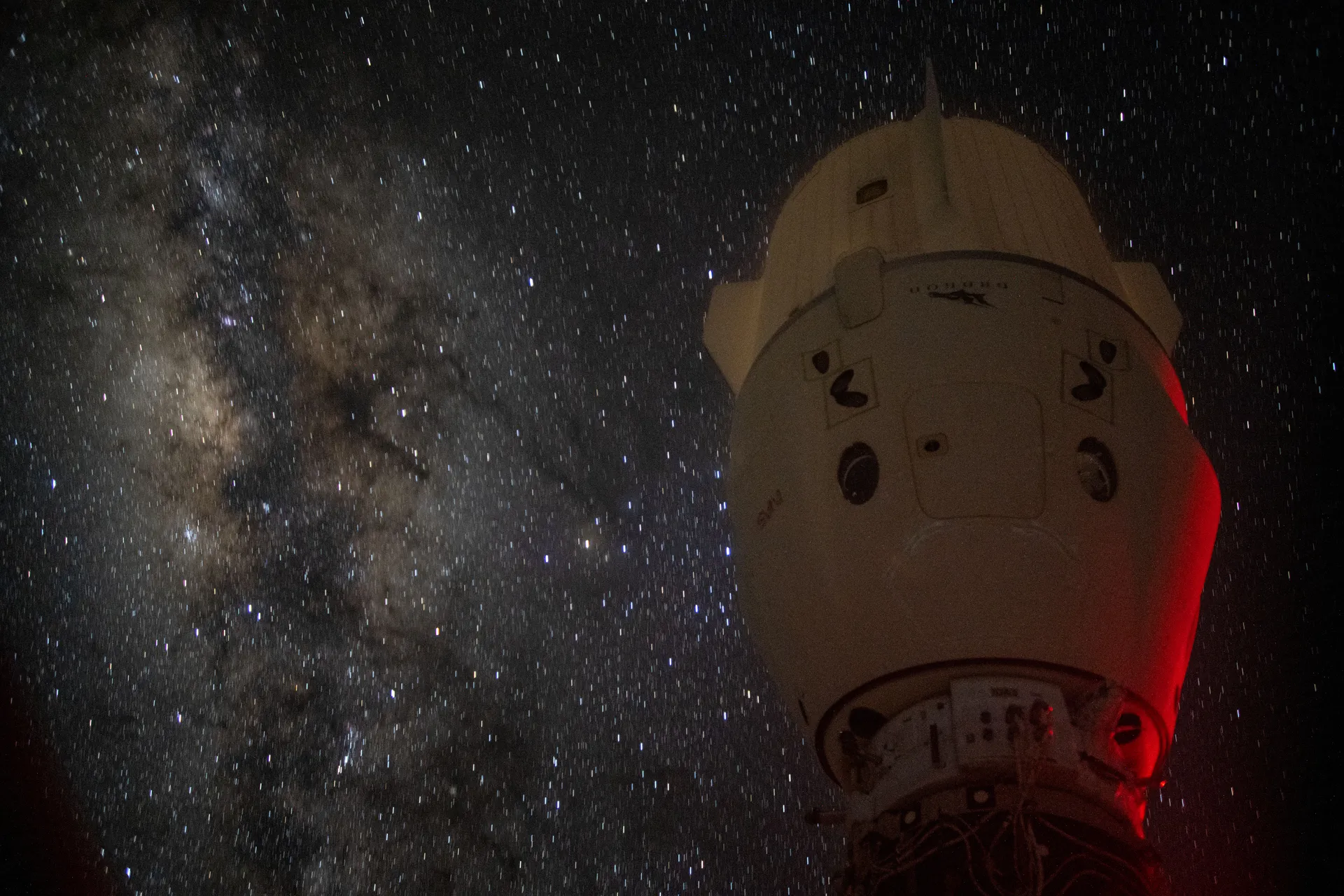
The Crew Dragon Endeavour docked to the space station under the Milky Way, July 2024.
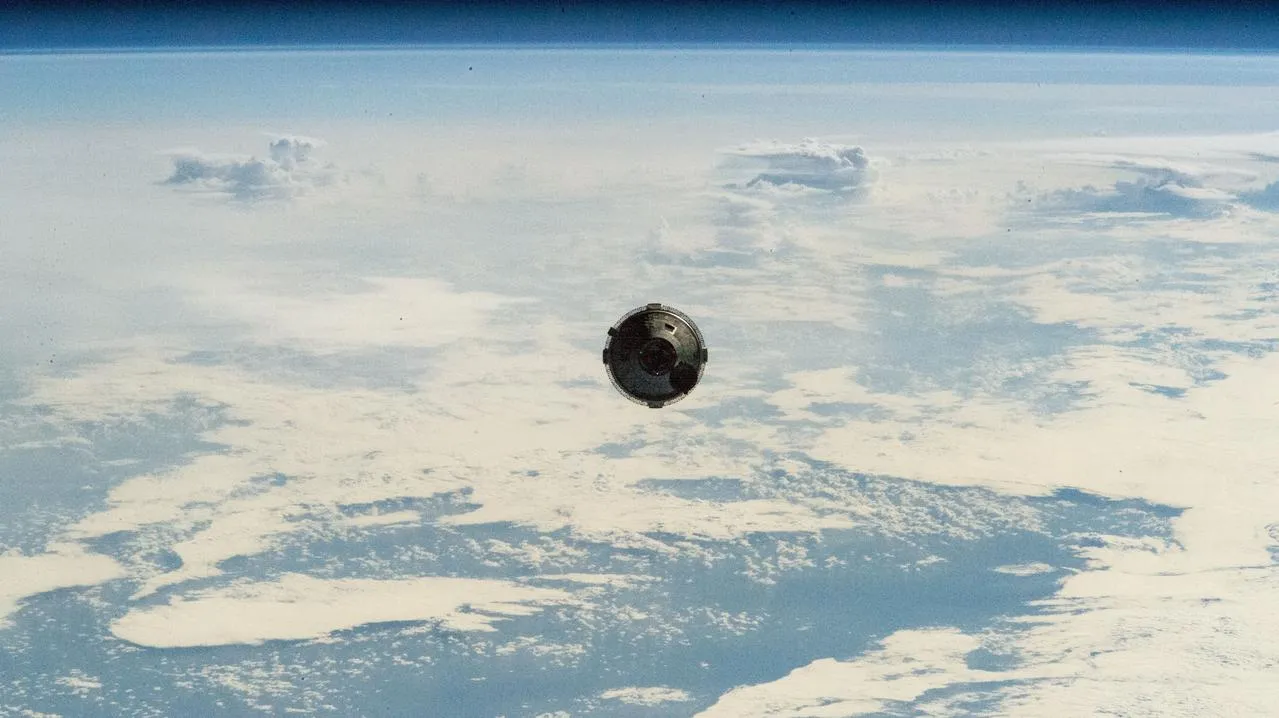
NASA used the same model for astronauts after the Shuttle retired. Under the Commercial Crew Program, the companies own their vehicles and NASA buys transportation. In 2014 it awarded fixed-price contracts to Boeing for $4.2 billion and to SpaceX for $2.6 billion; their combined value has since grown to more than $8 billion. SpaceX’s Crew Dragon and Falcon 9 were certified in 2020 and had flown 12 crewed rotation missions by June 2026. Boeing’s Starliner had not been certified: its 2024 crewed flight test was classified as a Type A mishap, NASA’s most serious category, and the Inspector General expects certification no earlier than 2027.12
The Inspector General found that NASA had been overconfident in Boeing because of the company’s long spaceflight experience and its use of previously flown components, and had accepted unrealistic schedules. It questioned $127.9 million in payments to Boeing. On September 18, 2026, NASA added three more SpaceX missions, Crew-15 through Crew-17, for $946 million under a firm-fixed-price modification covering launch, flight, recovery, cargo and a lifeboat capability at the station. That brought SpaceX’s contract to $5.92 billion for 17 missions.12,13
- $4.2B
- Boeing’s 2014 commercial crew contract; Starliner not yet certified12
- $2.6B
- SpaceX’s 2014 contract; now $5.92 billion for 17 missions13
The lunar landers: fixed prices, rising insight costs
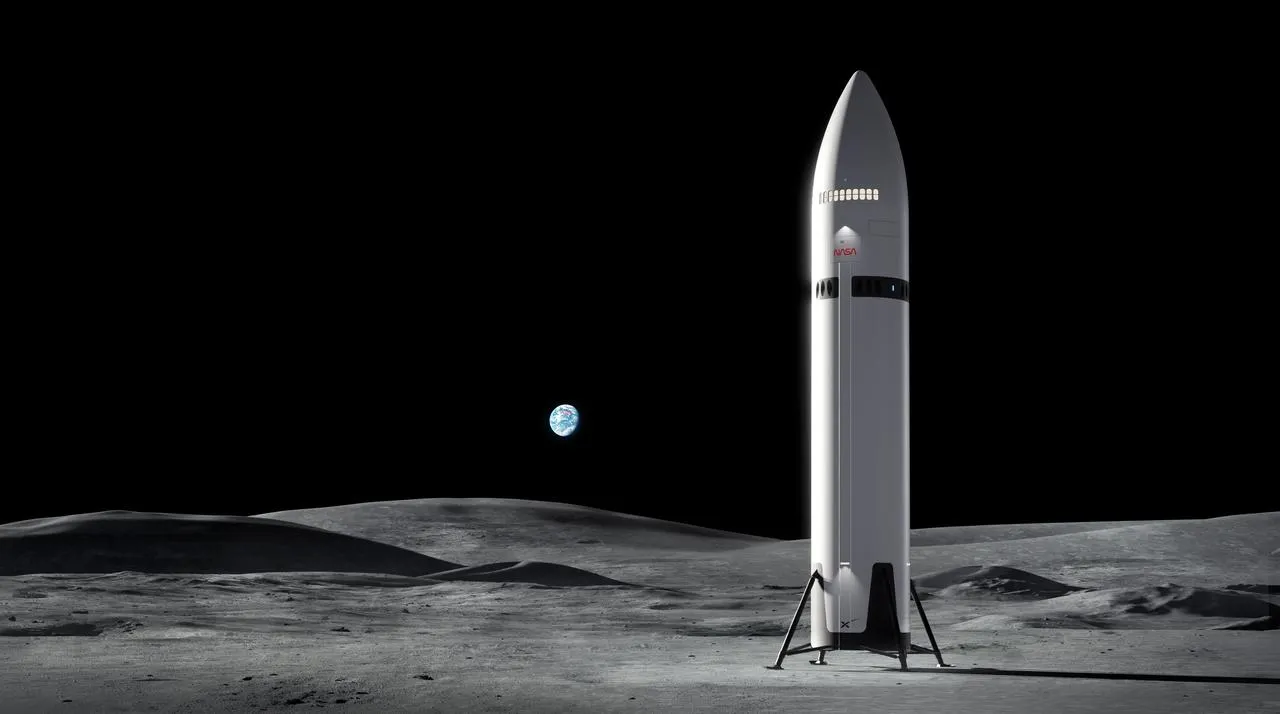
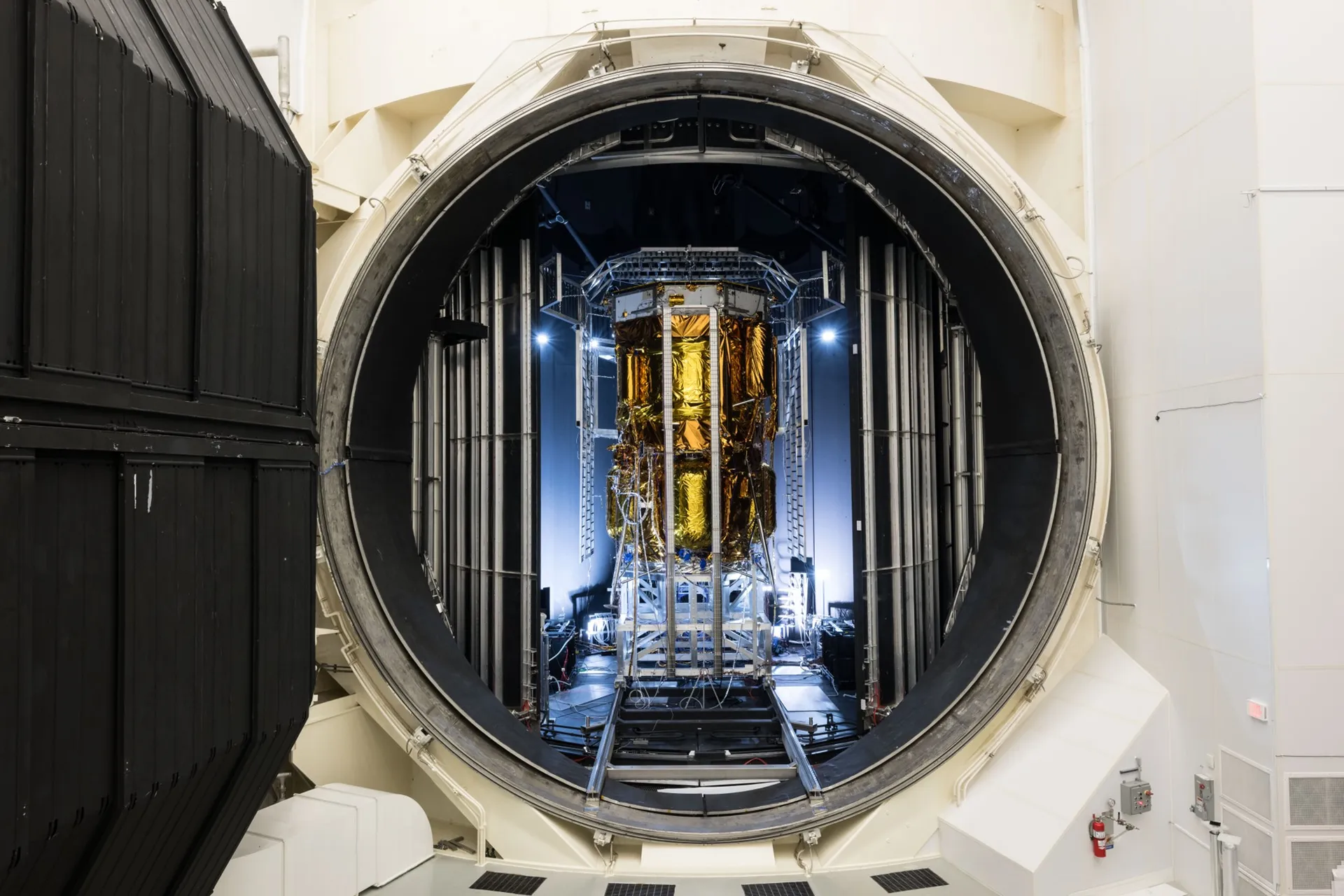
NASA bought its lunar landers the same way. In 2021 it awarded SpaceX a firm-fixed-price contract worth about $3 billion to develop and demonstrate Starship as a lander for the first landing, and in November 2022 exercised an option for a later mission; in May 2023 Blue Origin received a contract for a lander for Artemis V. Leaving out work on cargo landers, the Inspector General counts the two contracts’ potential values at about $4.3 billion and $3.1 billion. Since 2019 NASA has obligated $6.9 billion for the Human Landing System and expects to spend $18.3 billion through fiscal 2030.14 Blue Origin is also building a smaller cargo lander, the Mark 1, with its own money; in 2026 it tested the first one in Johnson Space Center’s Chamber A under a reimbursable Space Act Agreement, paying NASA for the use of the facility.18
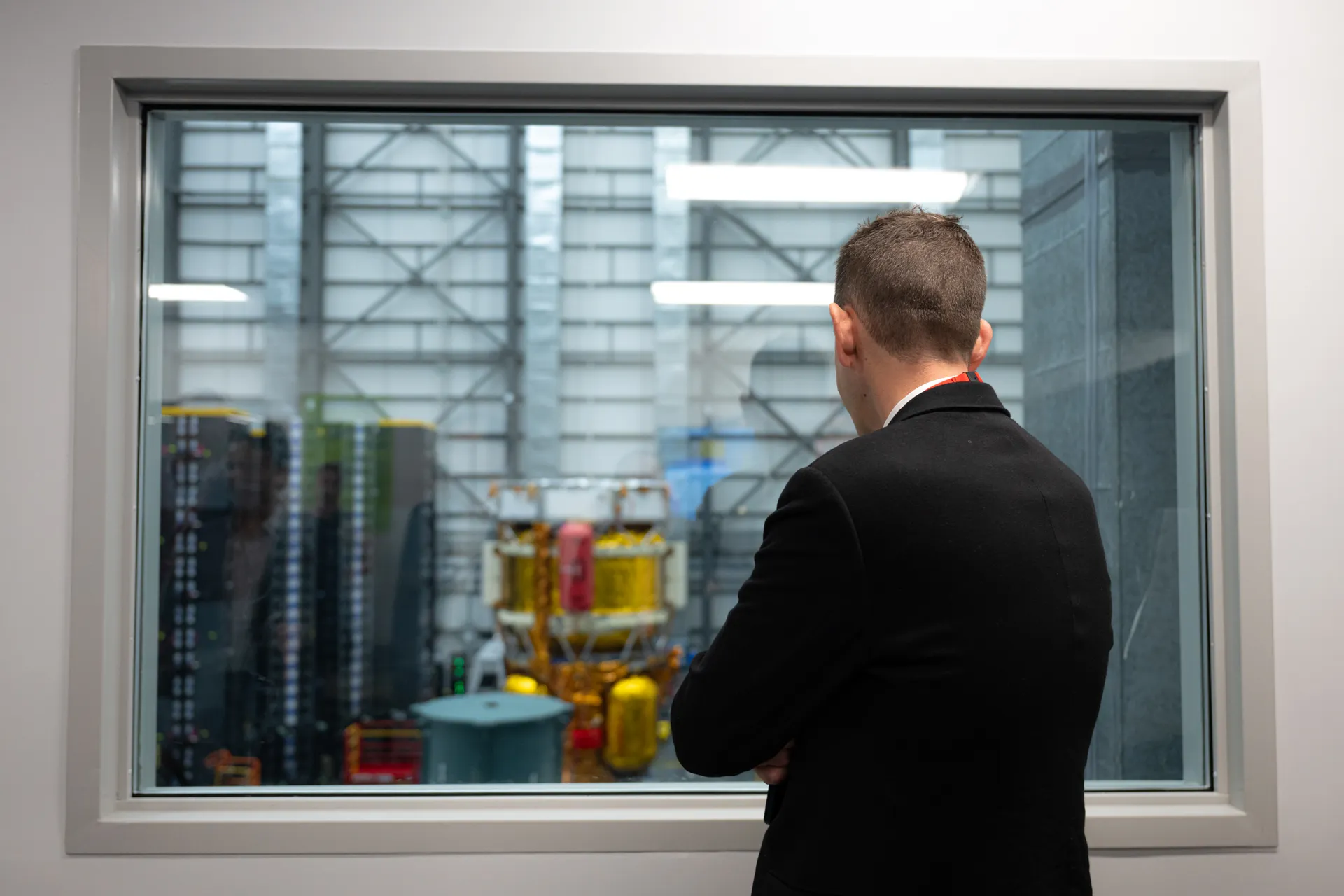
In March 2026 the Inspector General found the approach effective at controlling contract costs: SpaceX’s potential contract value had grown by 6 percent, about $253 million, and Blue Origin’s by less than 1 percent. But both companies had schedule delays, and SpaceX’s lander would not be ready for a June 2027 landing. Fixed prices also shift cost inside NASA rather than eliminating it: by November 2025 NASA had spent more than half a billion dollars on insight into the landers’ development, and its engineers’ help to the companies comes at no cost to them.14
When SpaceX’s lander was due14
The Inspector General ended on the limit of the model. While the providers are responsible for developing the landers and delivering them by their contracted dates, NASA is responsible for the safety of the crew—and should astronauts face a life-threatening emergency in lunar orbit or on the surface, NASA does not have the capability to rescue them.14
Sources
The text above is drawn from these 18 sources. Government works are adapted closely; company and press material is summarized. Numbers in the text point here. Last checked October 1, 2026.
Show all 18 sourcesShow fewer
- 1Back to the text
- 2Back to the text
- 3Back to the text
- 4Back to the text
- 5Back to the text
- 6Back to the text
- 7Back to the text
- 8Back to the text
- 9Back to the text
- 10Back to the text
- 11Back to the text
- 12Back to the text
- 13Back to the text
- 14Back to the text
- 15Back to the text
- 16Back to the text
- 17Back to the text
- 18Back to the text
Continue
Related stories
- ApolloKennedy’s 1961 goal became a program of 400,000 people and more than 500 contractors. It chose a risky route to the Moon, survived a fire on the pad, and landed six crews before Congress ended it.
- Commercial crewHow NASA stopped owning its crew vehicles and started buying rides, why SpaceX’s Dragon has flown every rotation since 2020, and what still stands between Boeing’s Starliner and its first crew.
- Starship HLSIn 2021 NASA chose a version of Starship, refueled in Earth orbit by a fleet of tankers, to land its astronauts. The contract is now worth about $4.5 billion; the refueling has not yet flown.