Blue Origin
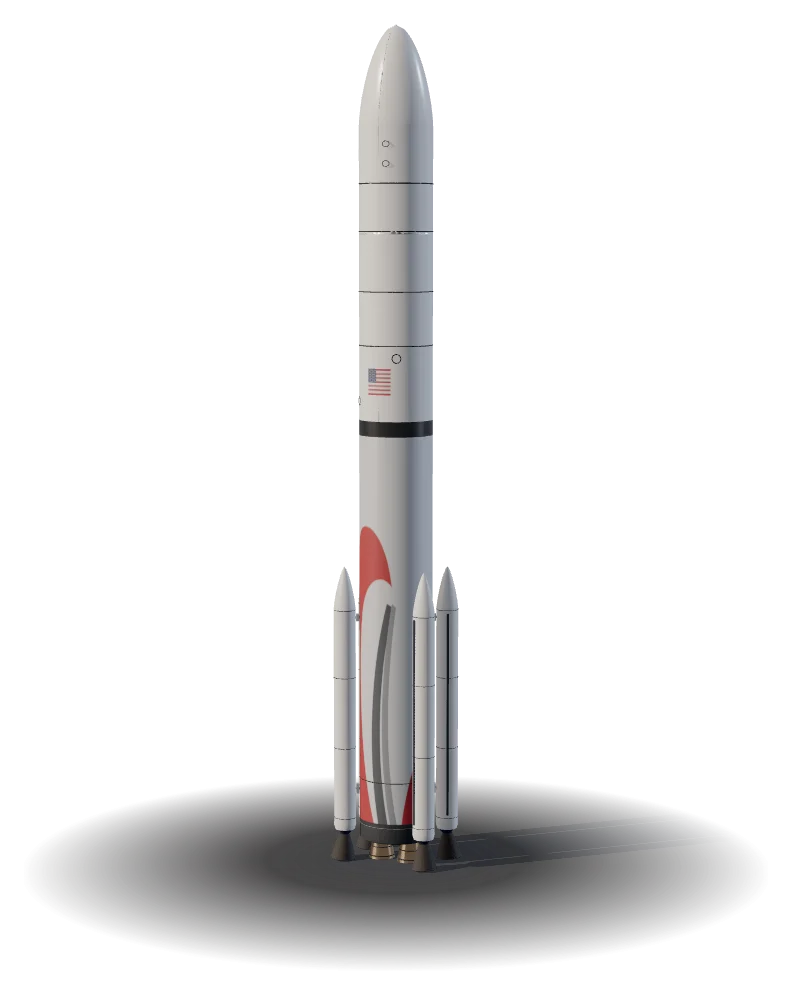
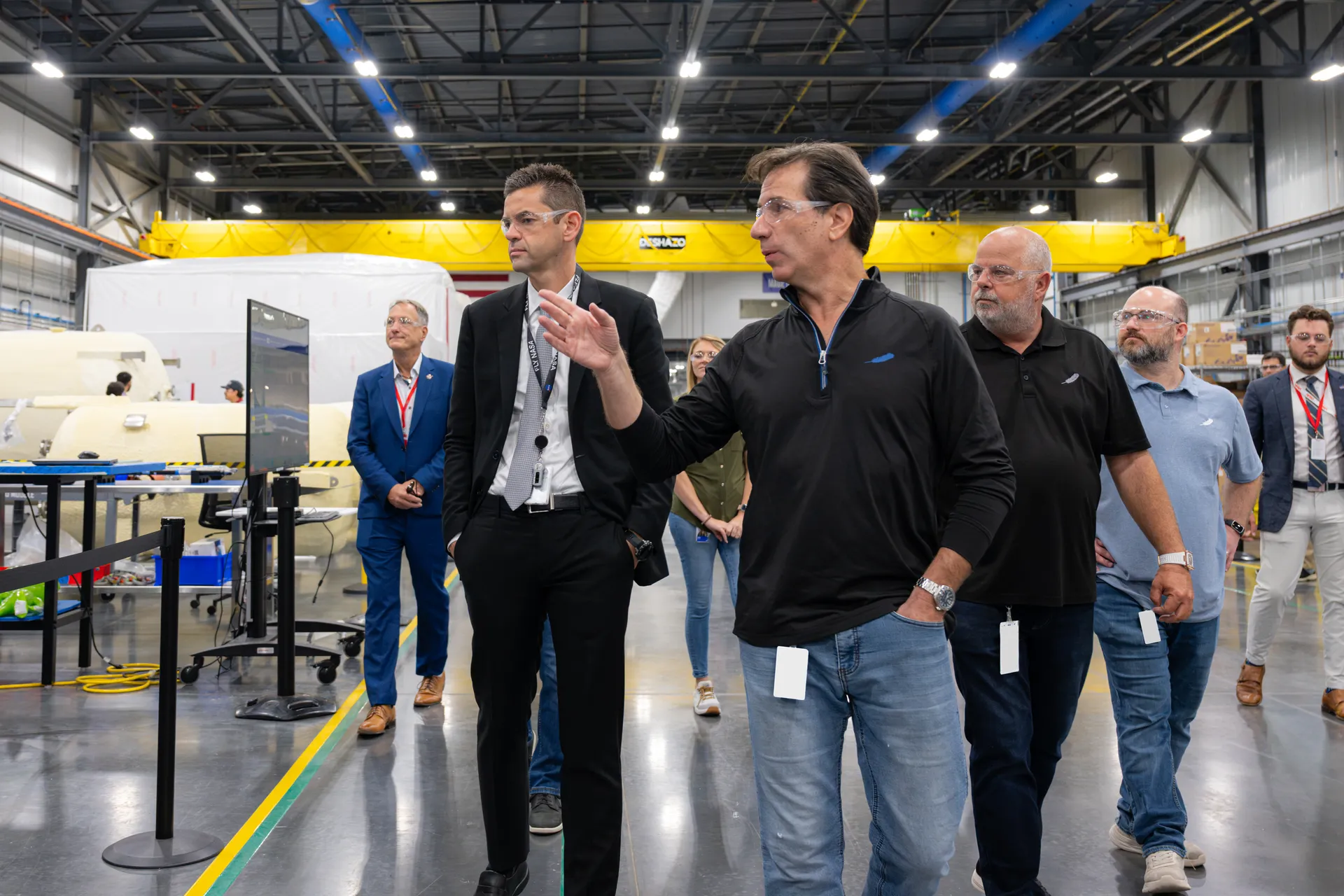
Builds the New Glenn rocket, the BE-4 engine that also powers Vulcan, and the Blue Moon landers.
- Founded
- 2000
- Headquarters
- Kent, Washington
- Machines in the atlas
- 3
Blue Origin was founded by Jeff Bezos in 2000. Its BE-4 methane engine powers United Launch Alliance’s Vulcan as well as Blue Origin’s own New Glenn, which reached orbit on its first flight in January 2025.
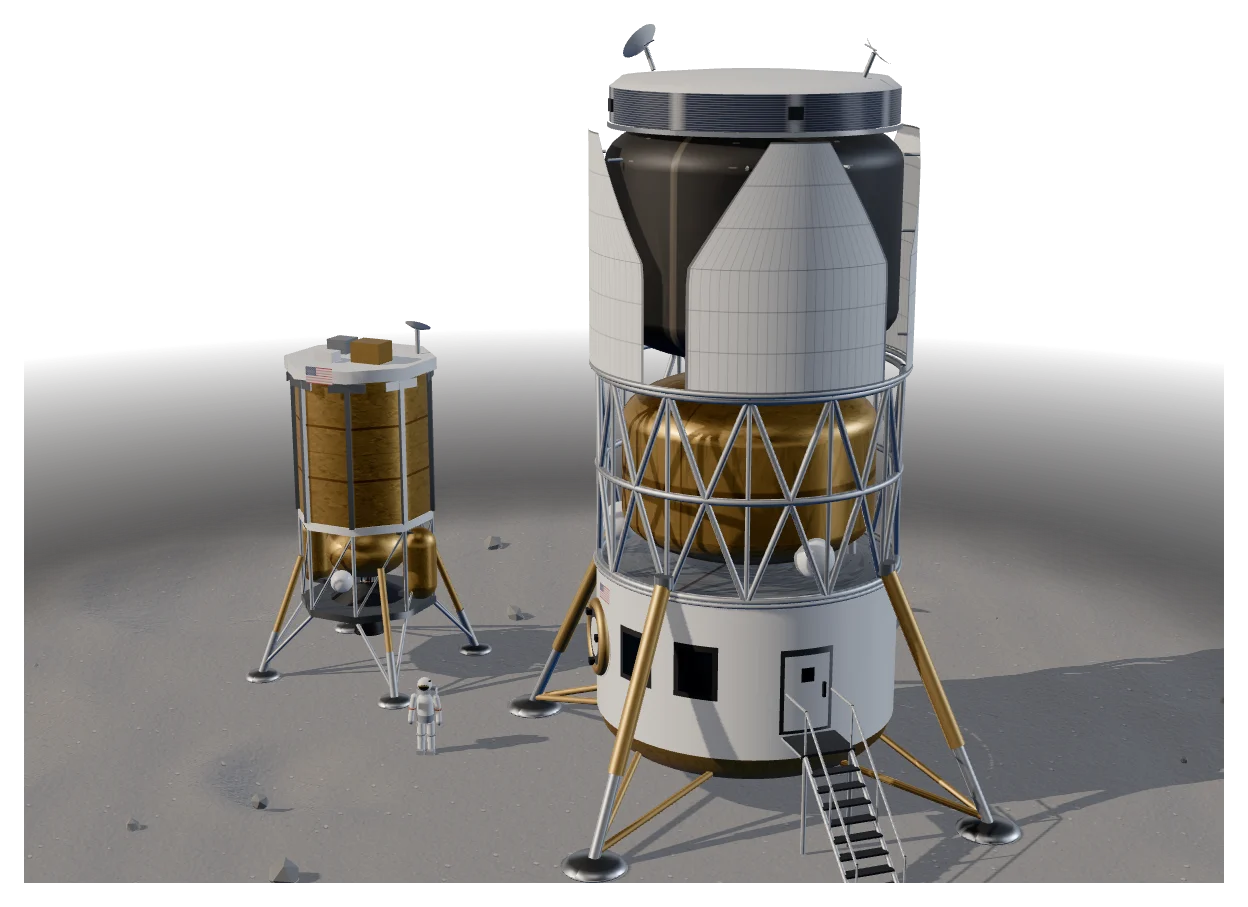
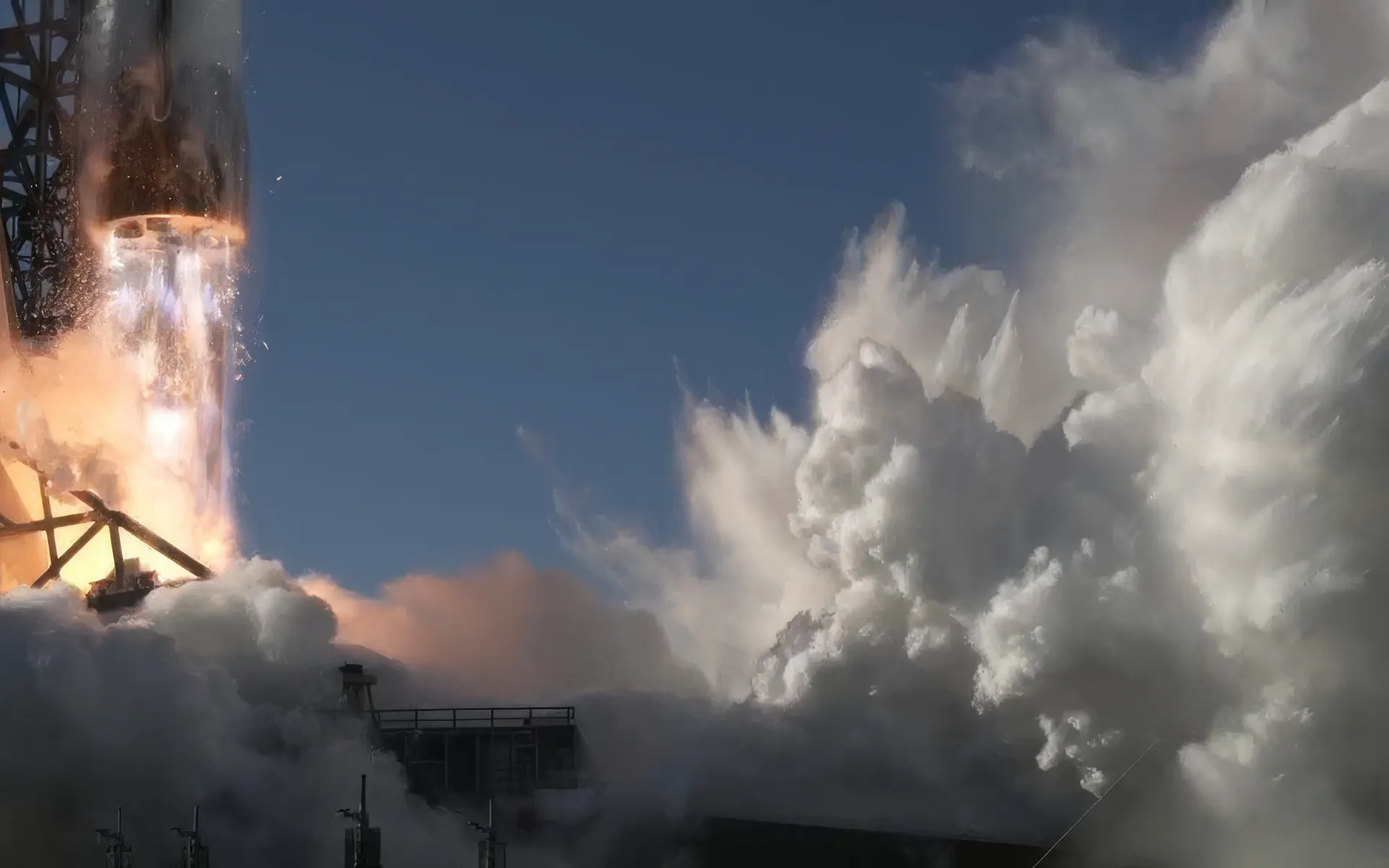
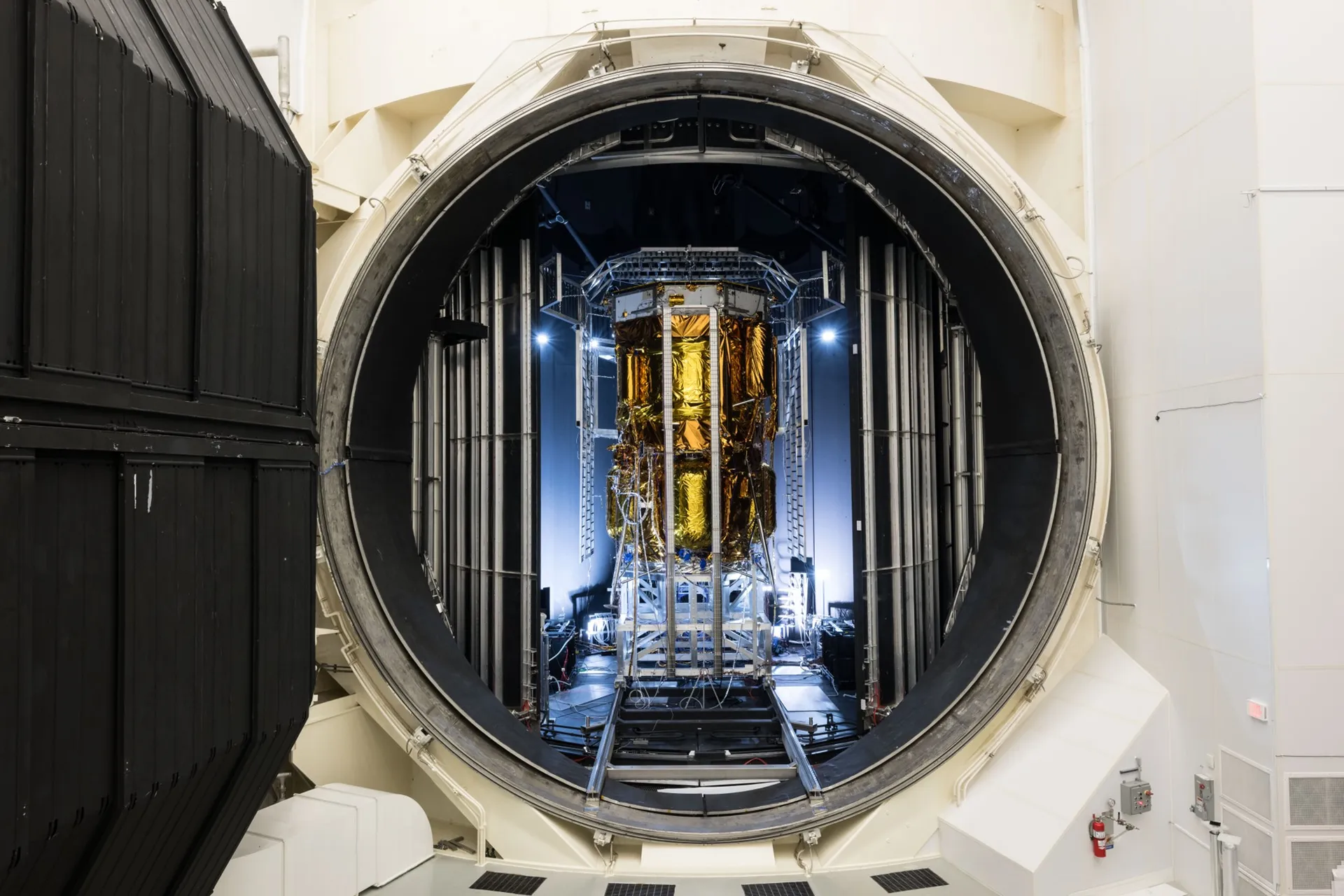
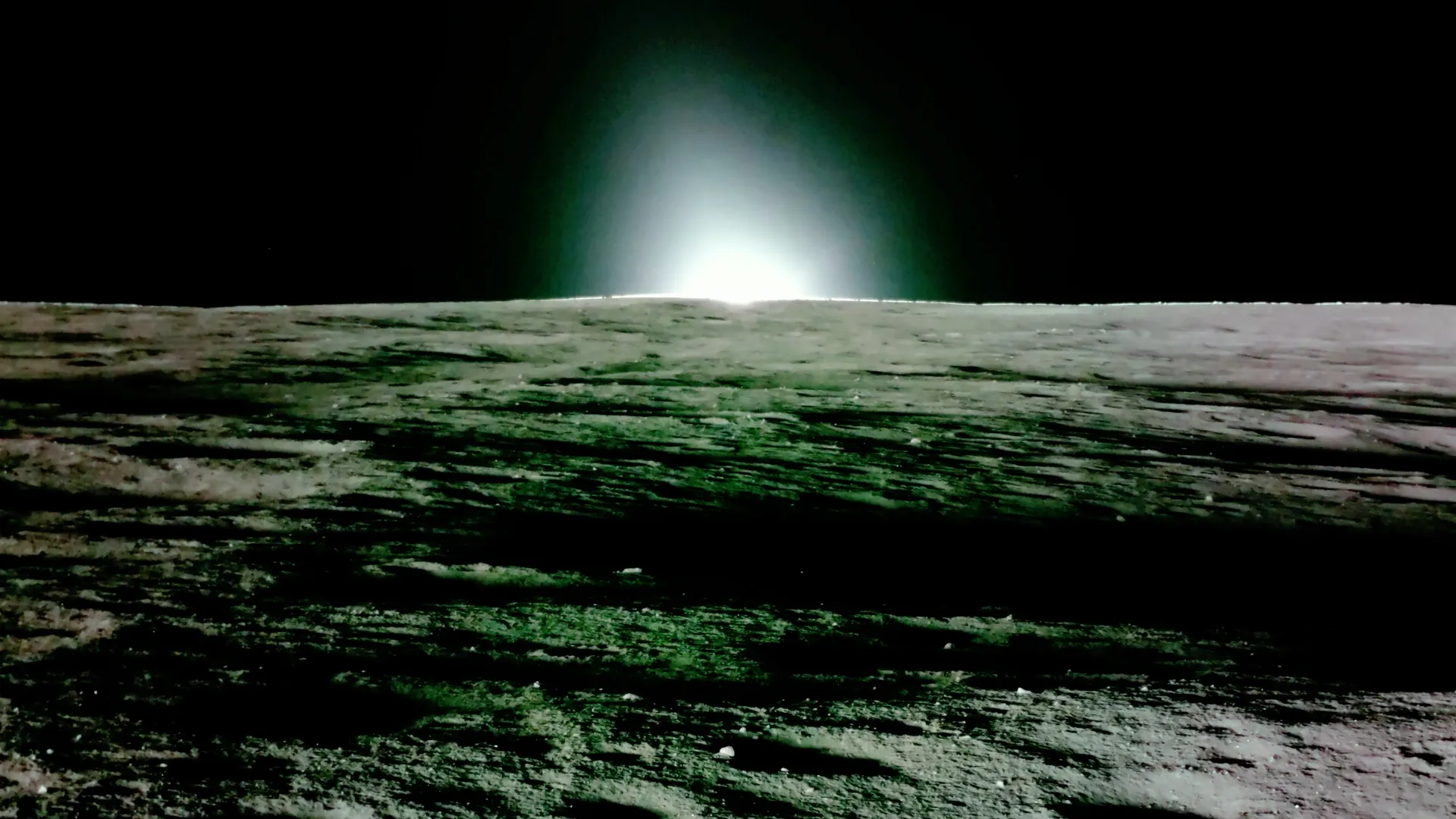
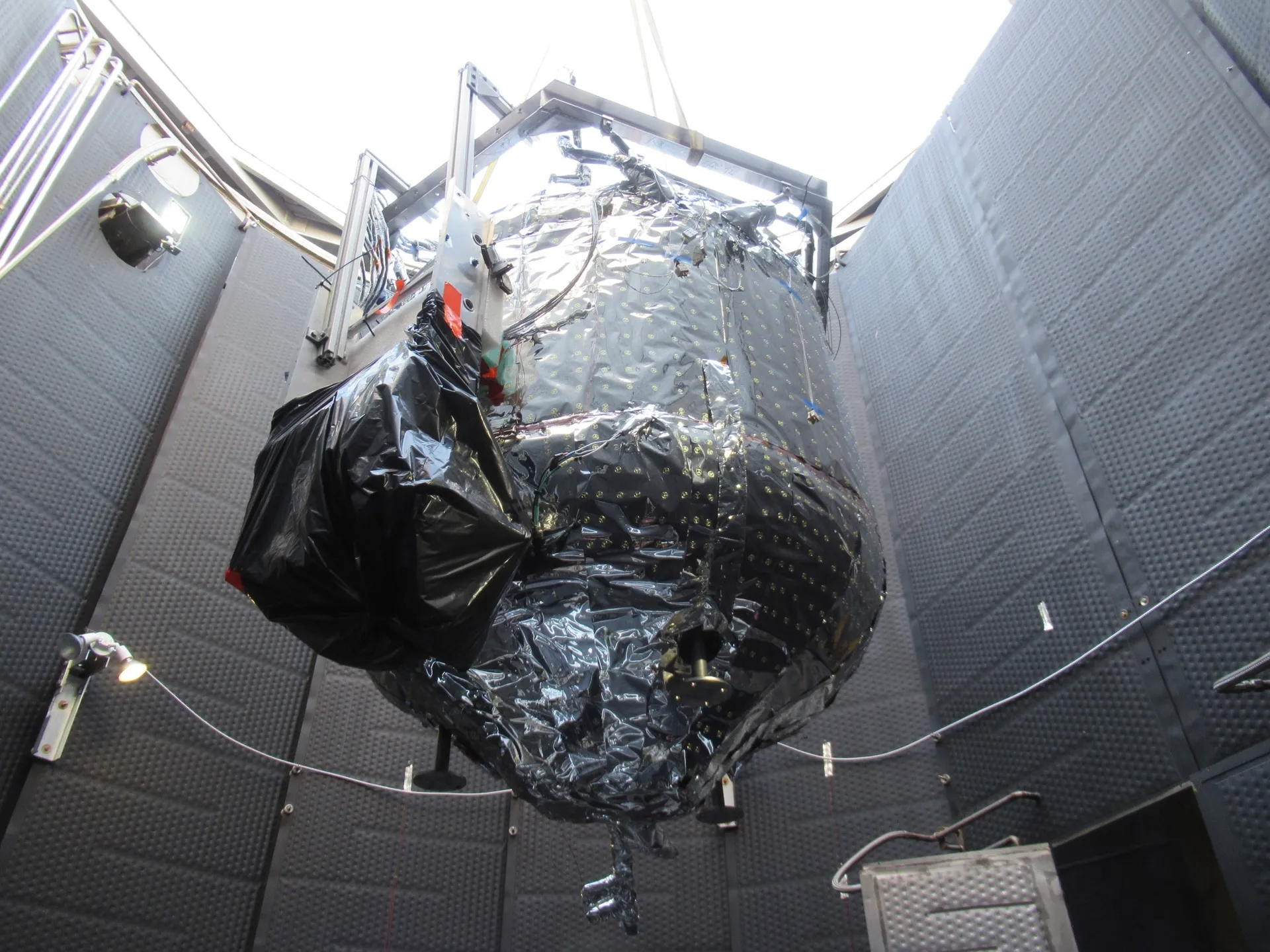
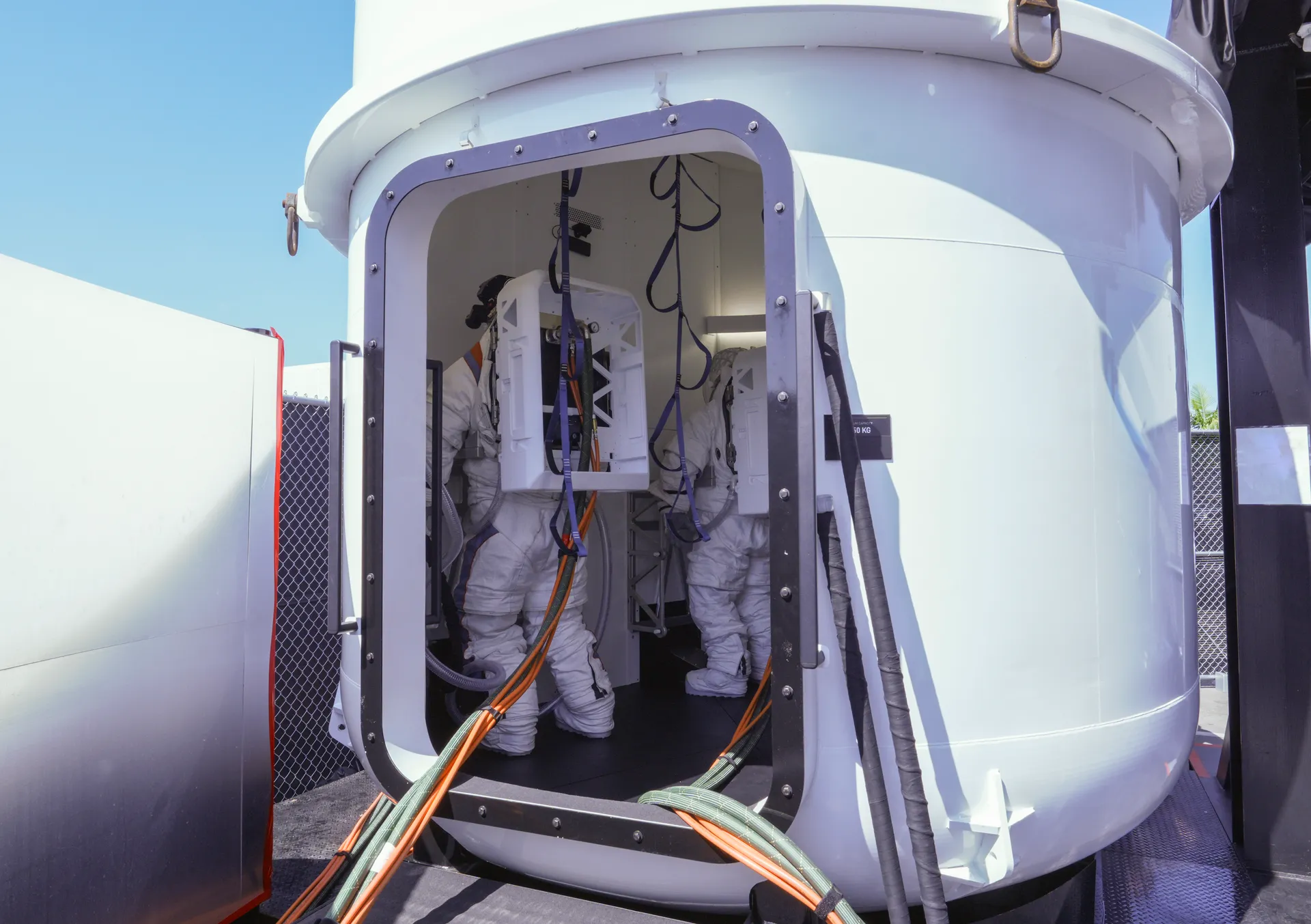
In May 2023 NASA chose Blue Origin as the second provider of a crewed lunar lander, Blue Moon Mk2; a smaller robotic lander, Mk1, is to fly first. On May 28, 2026, a New Glenn failed during a test-firing at Launch Complex 36 in Florida, wrecking the pad’s lightning tower and transporter-erector; the company says the rocket will return to flight by the end of 2026. In September 2026 NASA hired Blue Origin to build a communications relay orbiter for Mars.
Money from NASA
| Contract | Value | Year |
|---|---|---|
| Human Landing System: Blue Moon Mk2 crewed lander (value at award) | $3.4 billion | 2023 |
| Mars Telecommunications Network: relay orbiter due by the end of 2028 | up to about $700 million | 2026 |
What it builds
Stories that involve Blue Origin
Who builds NASA’s spacecraft, and how the contracts pay themNASA has always spent most of its money outside its own walls. From Apollo’s 500 contractors to SpaceX and Blue Origin, the question that shapes every program is who carries the risk when costs grow.
Two new heavy rockets share one engine, and both were grounded in 2026Blue Origin’s BE-4 powers its own New Glenn and United Launch Alliance’s Vulcan. Both entered service in 2024–2025; by mid-2026 neither could fly, for different reasons.
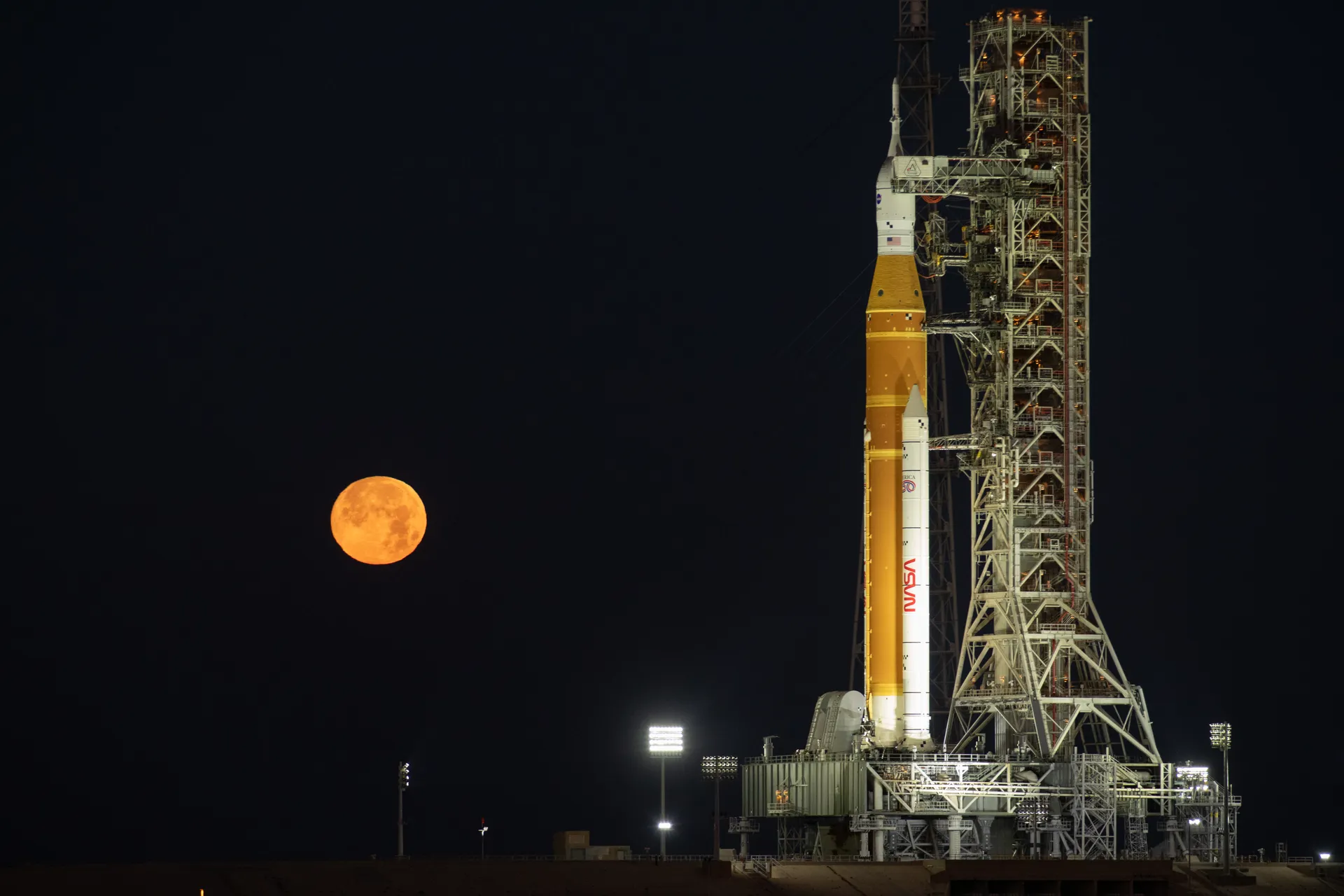
Artemis: how NASA’s plan to land on the Moon was built and rebuiltA rocket, a capsule, two commercial landers, new suits and propellant refilled in orbit: who builds each piece, what it costs, and how a 2024 landing became Artemis IV in 2028.
Blue Moon: NASA’s second crew lander and the cargo lander that goes firstIn May 2023 NASA awarded Blue Origin a $3.4 billion contract for a second way to land astronauts. The smaller robotic Blue Moon, Mark 1, is built and tested, and is waiting for New Glenn to fly again.
NASA’s robotic Moon deliveries: four attempts, one lander uprightSince 2018 NASA has bought rides to the Moon for its instruments instead of building landers. Of four attempts so far, one landed upright. A $6 billion second round is meant to supply a Moon Base.
4 more stories
Refilling in orbit, the untested step both Moon landers depend onBoth of NASA’s crew landers reach the Moon only after tankers refill them in Earth orbit. Why that is, how the transfer is meant to work, why super-cold propellant fights back, and where the first test stands.
How SpaceX won NASA’s first Moon lander, and what it must still proveIn 2021 NASA chose a version of Starship, refueled in Earth orbit by a fleet of tankers, to land its astronauts. The contract is now worth about $4.5 billion; the refueling has not yet flown.
After the ISS: NASA’s plan to rent space on commercial stationsSince 2020 NASA has paid companies to design stations it could rent after 2030. In 2025 and 2026 the plan changed three times, the money stayed short, and GAO warned of a gap in U.S. crew presence.
Mars: two rovers, a helicopter and samples with no ride homeCuriosity has climbed a kilometer up Mount Sharp; Perseverance has used 33 of its 43 sample tubes, one holding a potential biosignature. The $8–11 billion mission to bring them home was shut down in January 2026.
Sources
- NASA Selects Blue Origin as Second Artemis Lunar Lander Provider NASA, May 19, 2023
- NASA Selects Blue Origin as Mars Telecommunications Network Provider NASA, September 1, 2026
- New Glenn Return to Flight Blue Origin, June 30, 2026
- NG-1 mission Blue Origin, January 16, 2025