Northrop Grumman
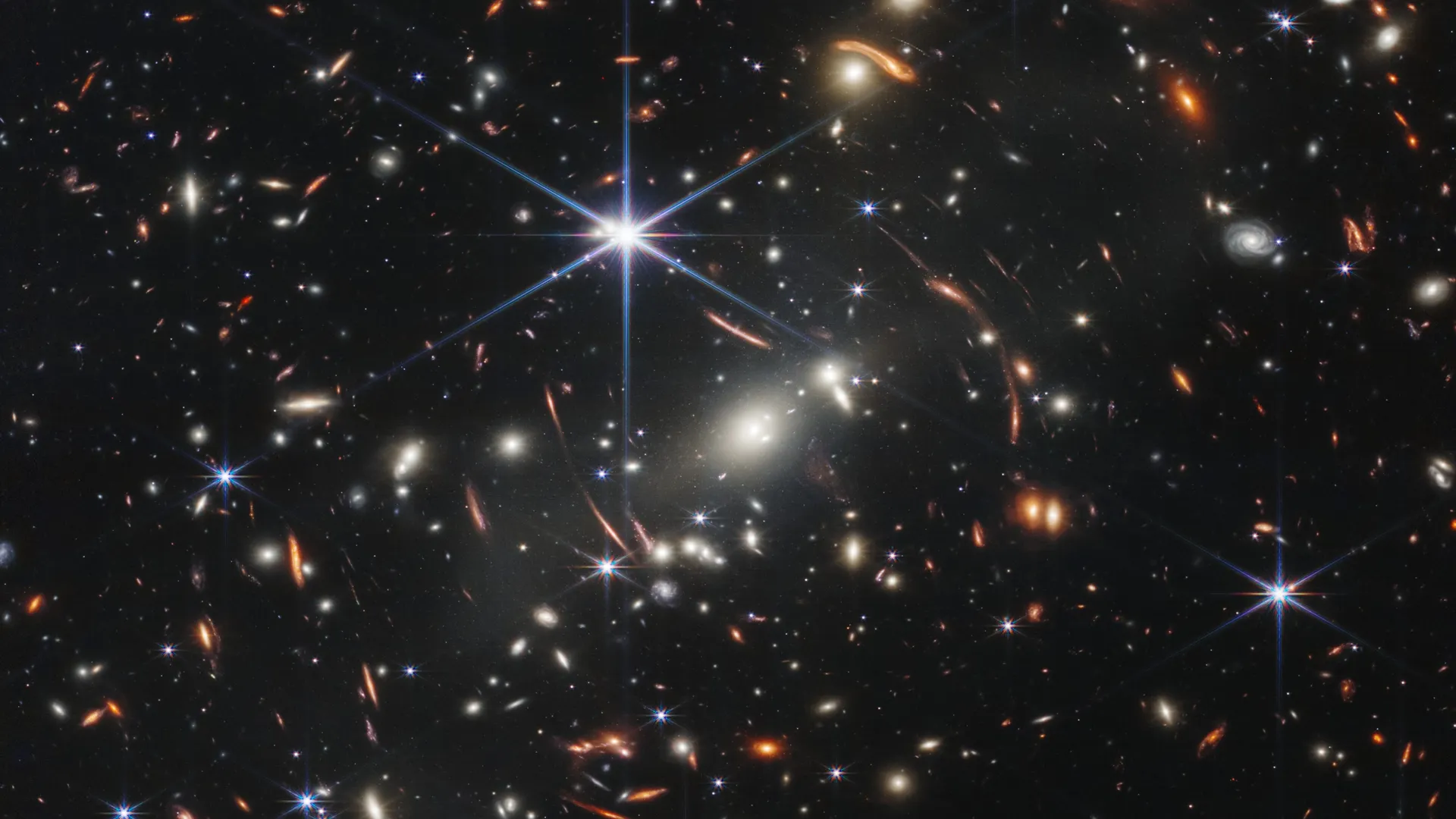
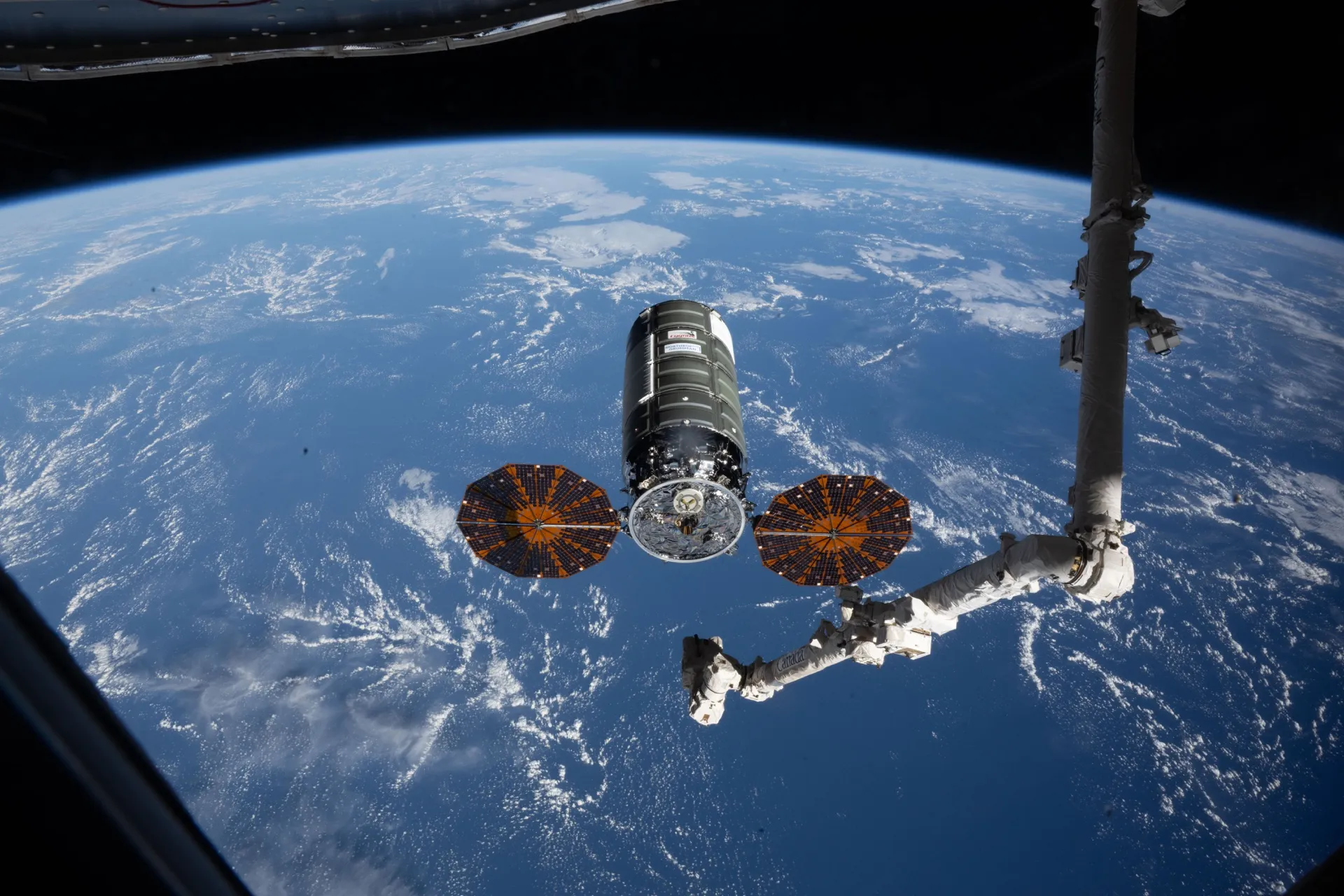
Makes the solid rocket boosters for SLS and Vulcan, flies Cygnus cargo ships, and built the Webb telescope.
- Founded
- 1994
- Headquarters
- Falls Church, Virginia
- Machines in the atlas
- 4
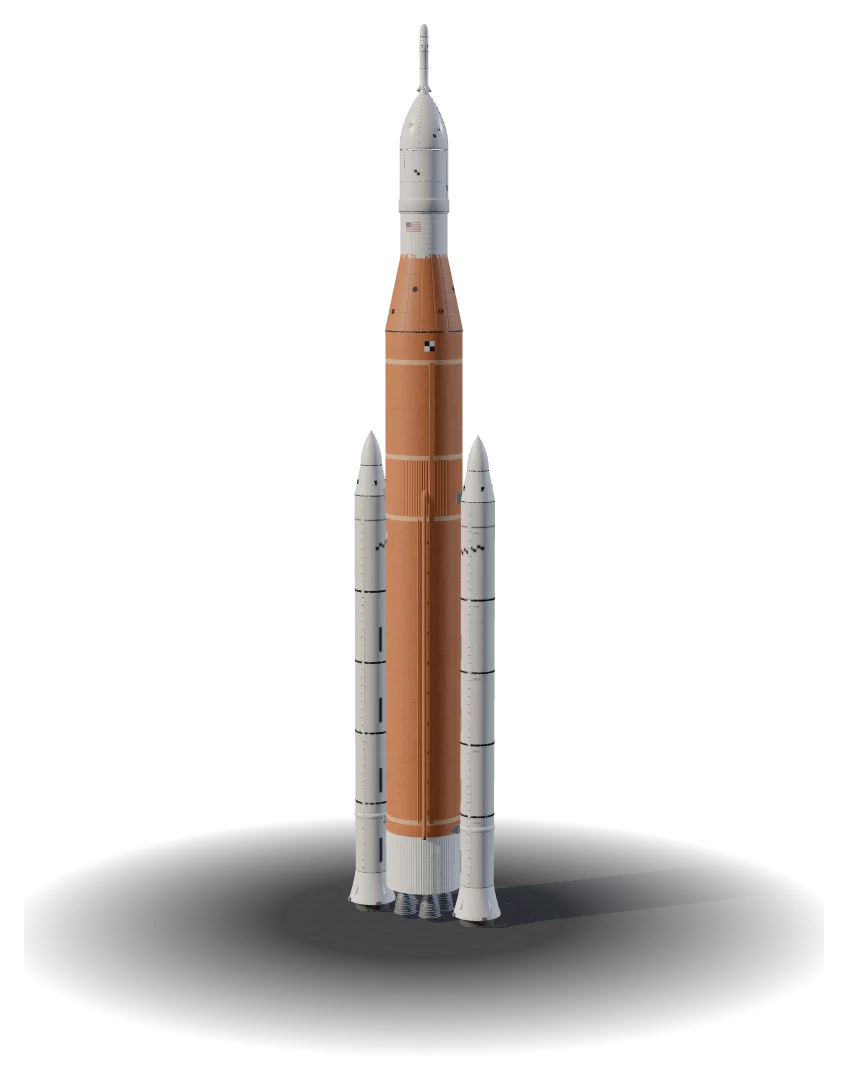
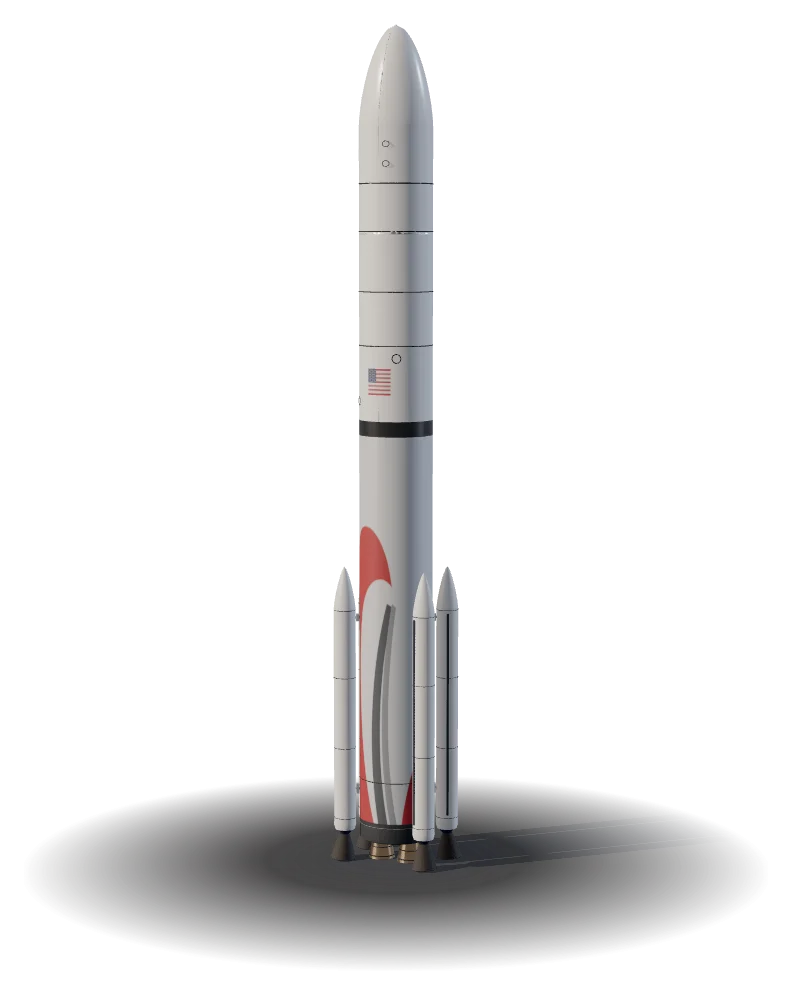
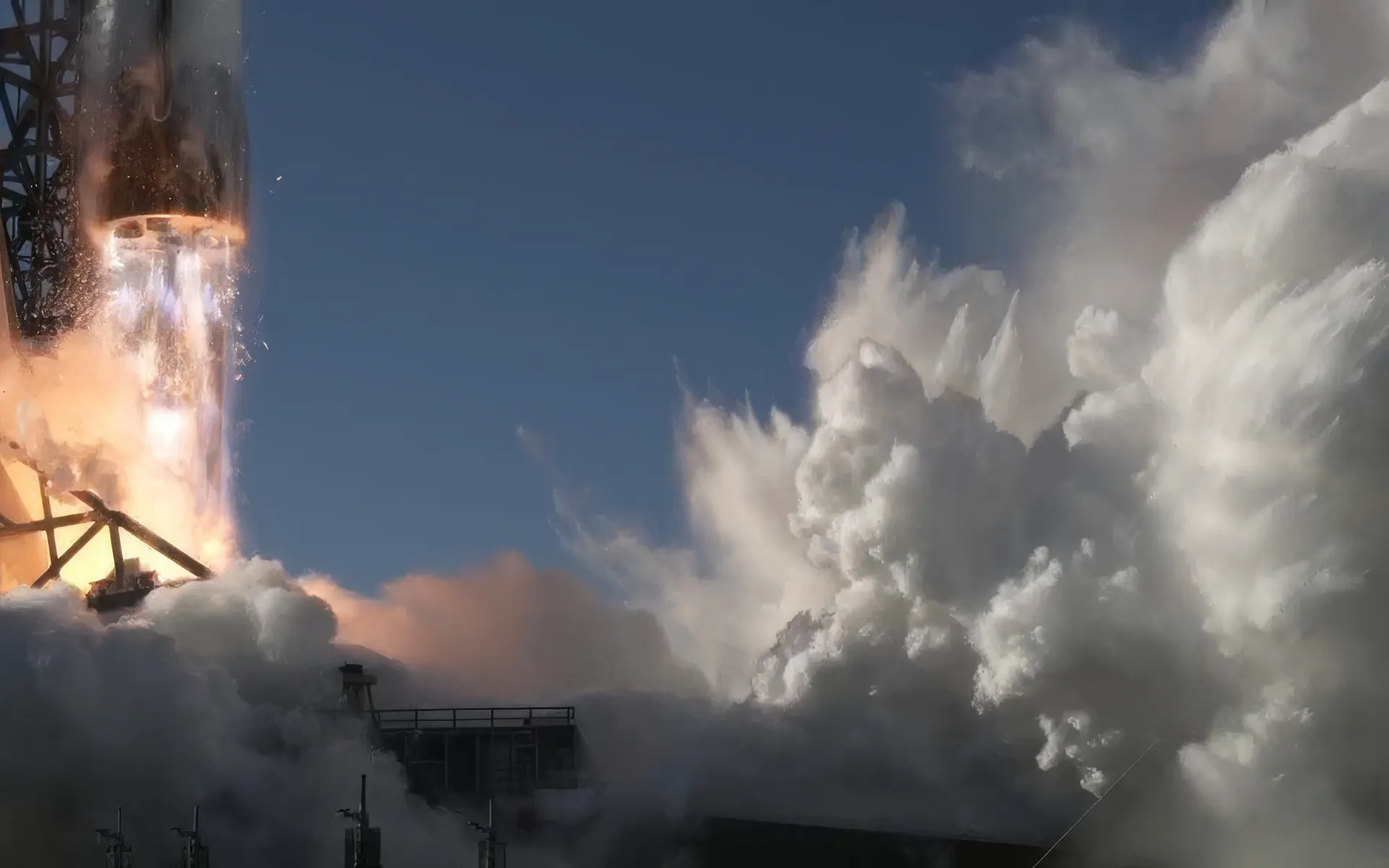
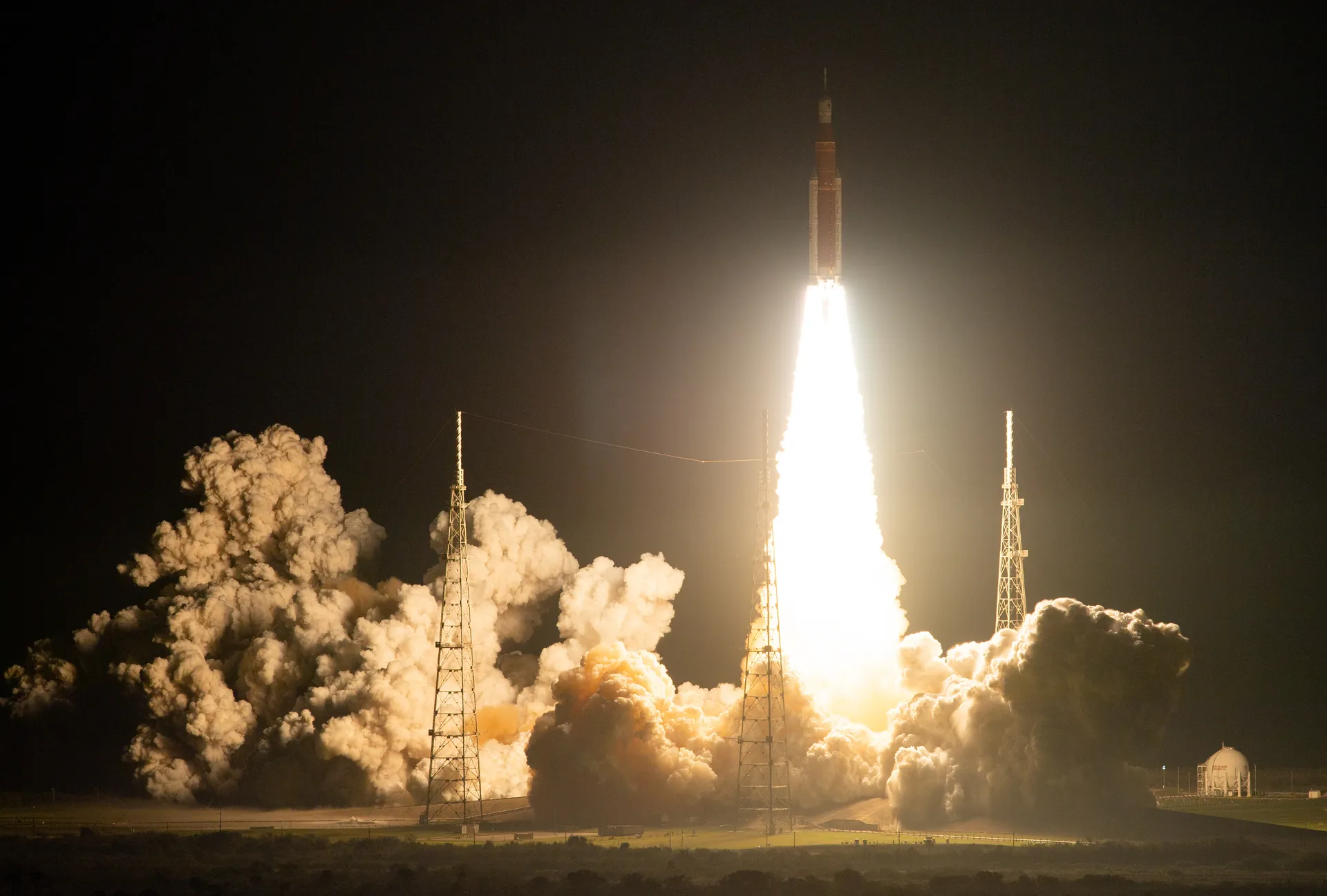
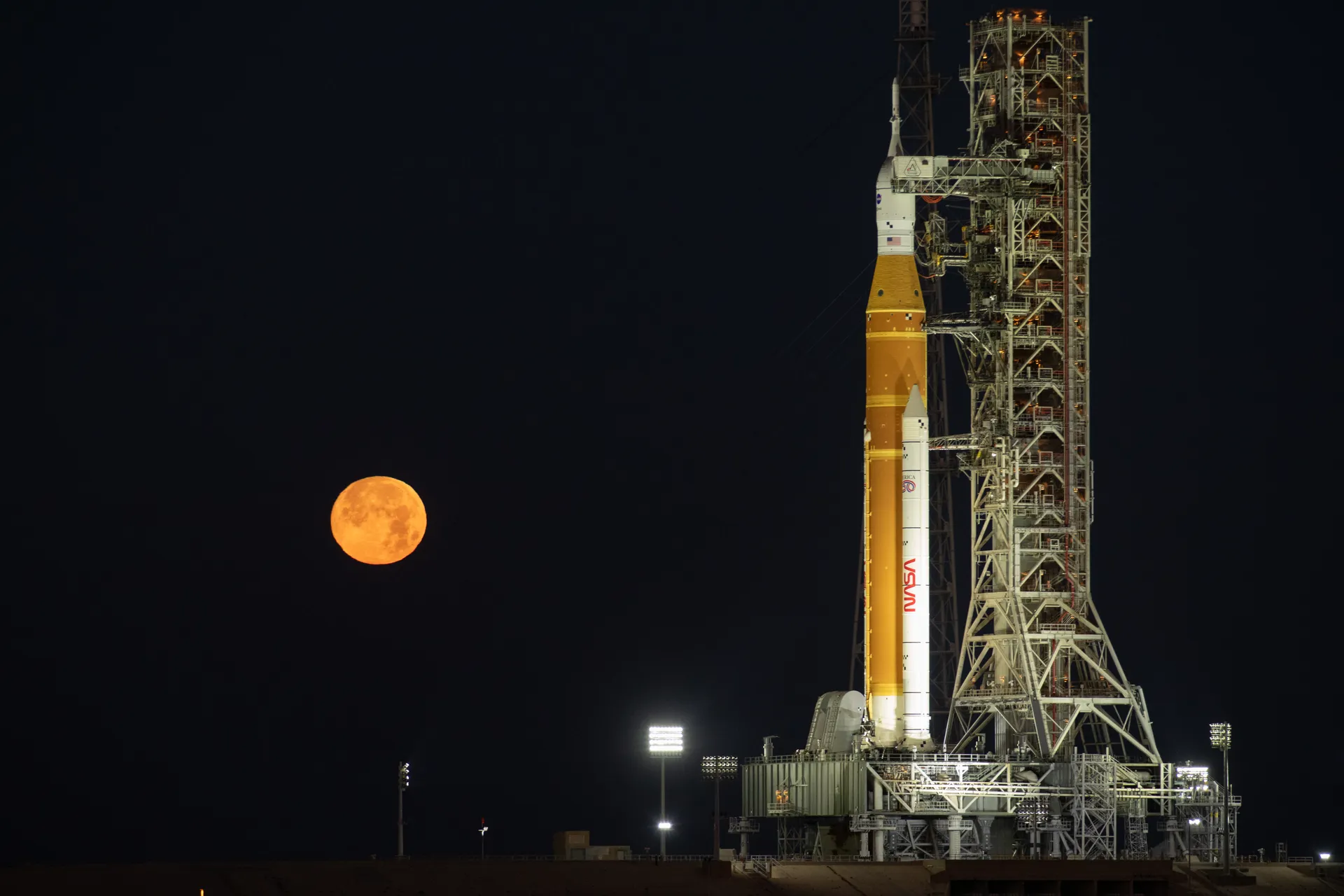
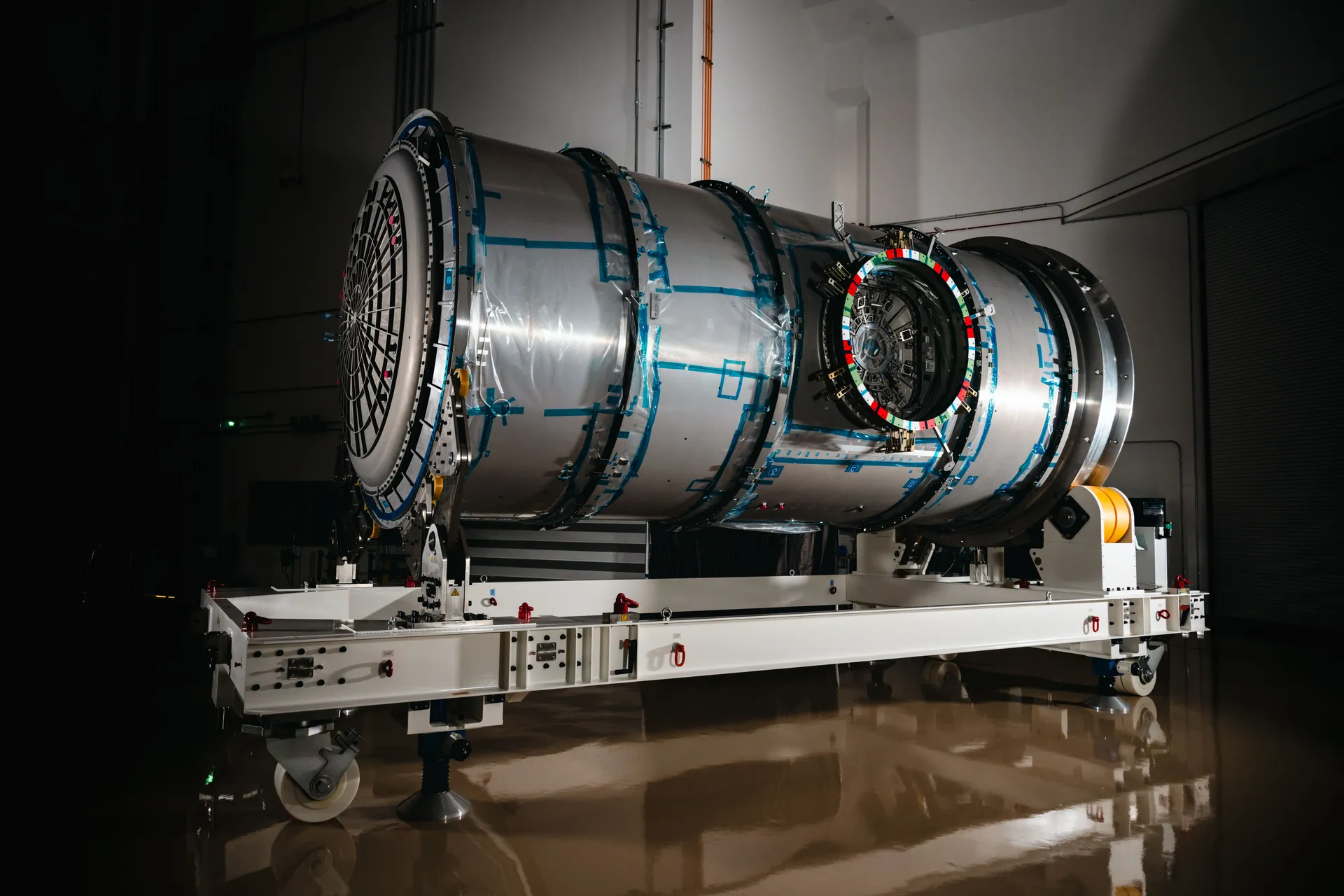
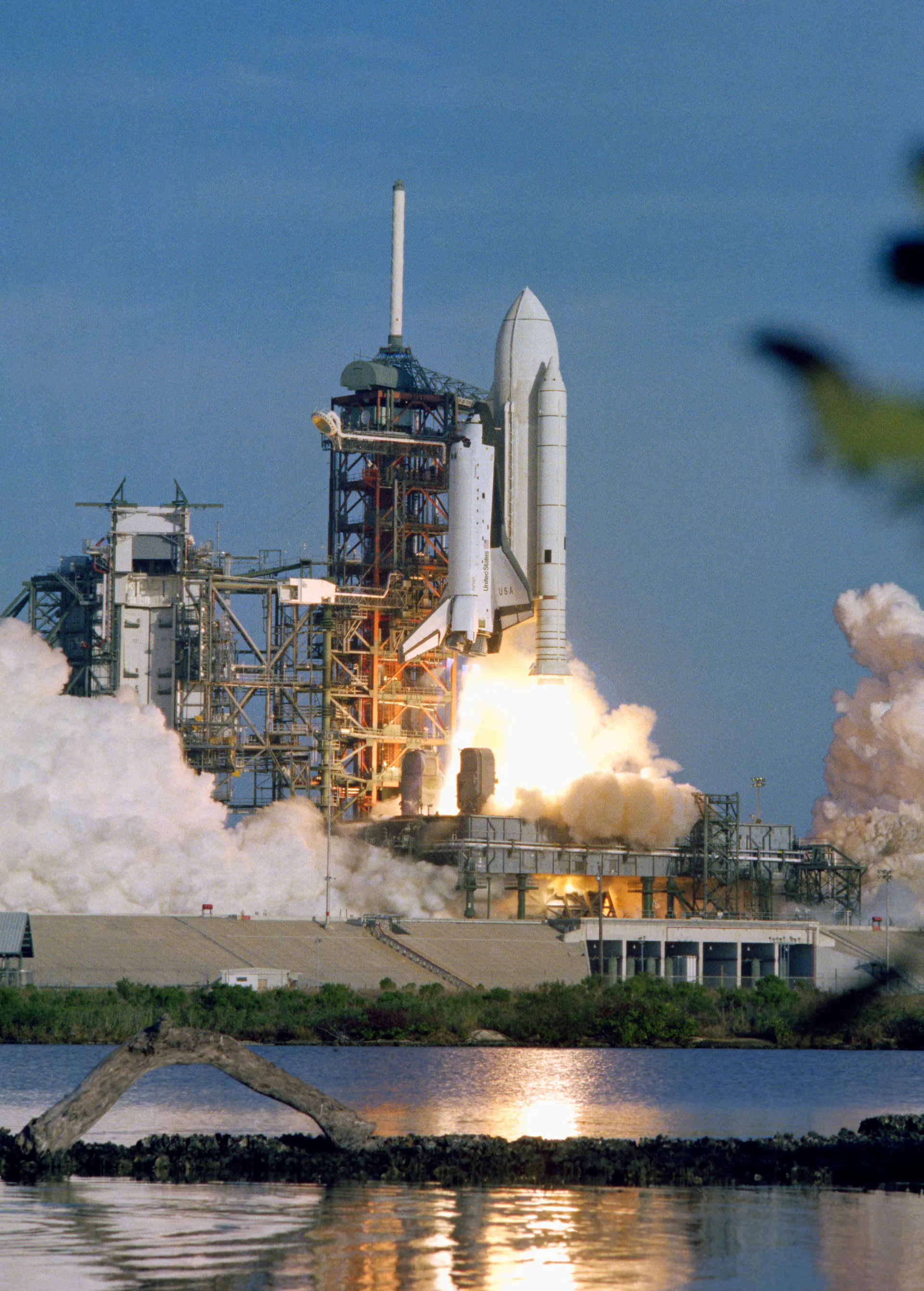
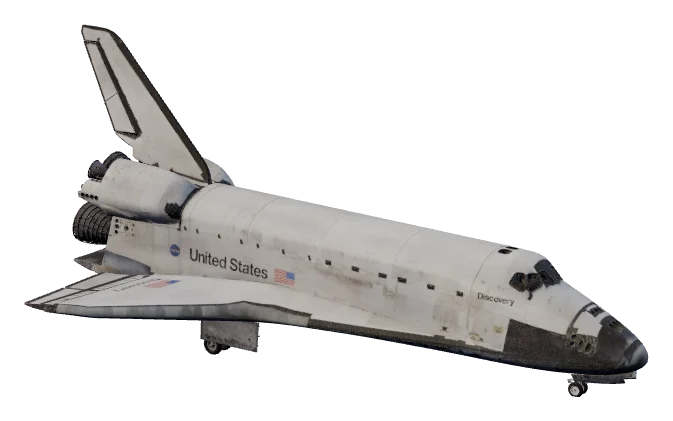
Northrop Grumman took its name in 1994, when Northrop bought Grumman. Its 2018 purchase of Orbital ATK brought the Cygnus cargo ship and the solid-rocket business whose predecessor, ATK Thiokol, built the Space Shuttle’s solid rocket motors. Each SLS launch uses two of its five-segment boosters, made in Utah; Vulcan uses its smaller GEM 63XL boosters.
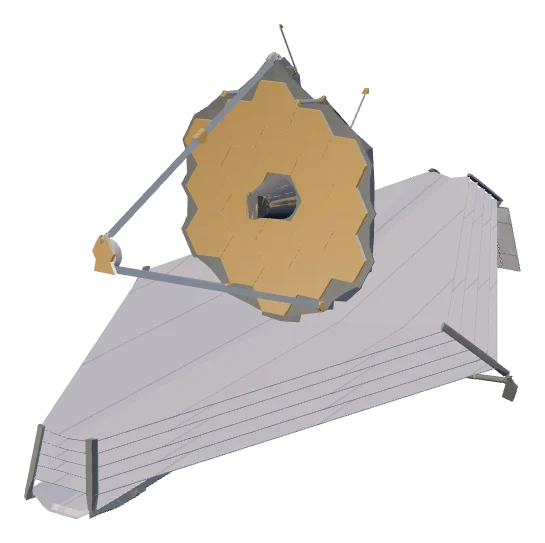
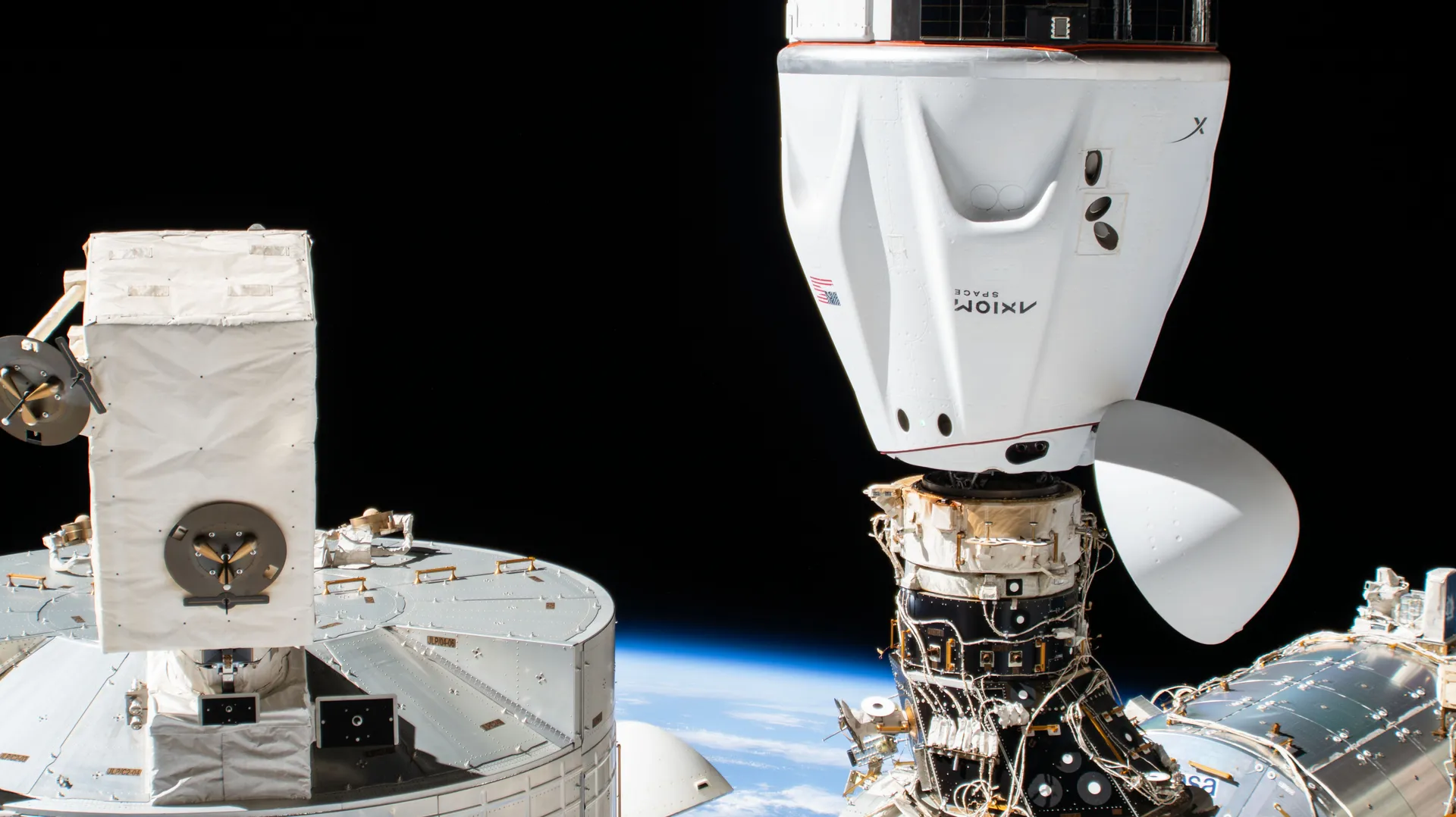
The company was NASA’s main industrial contractor for the James Webb Space Telescope, and its Cygnus spacecraft carry cargo to the Space Station. It was also building the HALO habitat module for the lunar Gateway; after NASA turned its Moon plans toward a surface base in 2026, HALO’s power and avionics hardware is being reused for three lunar-surface technology demonstrations.
Money from NASA
| Contract | Value | Year |
|---|---|---|
| SLS Booster Production and Operations Contract (letter contract in 2020, made final in 2021) | $3.2 billion | 2021 |
| Commercial Resupply Services: first Cygnus cargo contract, eight flights (awarded to Orbital Sciences) | $1.9 billion | 2008 |
What it builds
Stories that involve Northrop Grumman

Landsat: 54 years of watching the land, and what comes after Landsat 9Since 1972 Landsat satellites have recorded Earth’s land, and since 2008 anyone can download the record free. NASA builds them and the USGS runs them; the next one has been redesigned, and its budget is in dispute.
Who builds NASA’s spacecraft, and how the contracts pay themNASA has always spent most of its money outside its own walls. From Apollo’s 500 contractors to SpaceX and Blue Origin, the question that shapes every program is who carries the risk when costs grow.
Two new heavy rockets share one engine, and both were grounded in 2026Blue Origin’s BE-4 powers its own New Glenn and United Launch Alliance’s Vulcan. Both entered service in 2024–2025; by mid-2026 neither could fly, for different reasons.
The Moon rocket Congress ordered from Shuttle parts in 2010Congress wrote SLS into law in 2010, with Shuttle engines and boosters and a 2016 goal. It first flew in 2022, at an estimated $4.1 billion a launch with Orion, and in 2026 NASA stopped upgrading it.
Artemis II: the first crewed flight around the Moon since 1972From April 1 to 10, 2026, four astronauts flew Orion around the far side of the Moon and farther from Earth than anyone before them. What the flight tested, day by day, and what NASA found afterward.
6 more stories
Artemis: how NASA’s plan to land on the Moon was built and rebuiltA rocket, a capsule, two commercial landers, new suits and propellant refilled in orbit: who builds each piece, what it costs, and how a 2024 landing became Artemis IV in 2028.
Gateway: a station for lunar orbit, paused while its first modules were being builtA small international station that was to circle the Moon once a week. Its power module was nearly built when NASA paused it in March 2026; the hardware is being turned to a nuclear Mars spacecraft and Moon Base tests.
Orion: the capsule built to bring a crew home from the MoonLockheed Martin builds the capsule, Europe builds the module that keeps it alive, and its heat shield must survive a return at nearly 25,000 mph. How Orion was developed, how it works, and what its first crewed flight showed.
After the ISS: NASA’s plan to rent space on commercial stationsSince 2020 NASA has paid companies to design stations it could rent after 2030. In 2025 and 2026 the plan changed three times, the money stayed short, and GAO warned of a gap in U.S. crew presence.
Promised as routine transport, the Shuttle flew 135 times in 30 yearsNixon approved a $5.5 billion reusable spaceplane in 1972 to make spaceflight routine and cheap. It repaired Hubble and built a space station, lost two crews, and never flew more than nine times in a year.
Hubble, Webb and Roman: three telescopes, and why none replaces anotherA 1990 telescope that astronauts rebuilt five times, a $9.7 billion infrared observatory a million miles out, and a survey telescope launched in August 2026: what each one sees, what each cost, and why NASA flies them together.
Sources
- Space Launch System Solid Rocket Booster NASA
- Webb FAQs NASA
- NASA Provides Updates on Moon Base Cargo Landers, Tech Demonstrations NASA, August 4, 2026
- NASA’s Management of the Space Launch System Booster and Engine Contracts (IG-23-015) NASA Office of Inspector General, May 25, 2023
- Commercial Orbital Transportation Services: A New Era in Spaceflight (NASA SP-2014-617) NASA, 2014
- Northrop Grumman Corporation Form 10-K for 2025 U.S. Securities and Exchange Commission (company filing), January 27, 2026